

Products
Posts
Post Categories

General
Stay informed with General insights focused on recycling, sustainability, and responsible waste management. Discover practical information about reducing industrial waste, supporting circular economy initiatives, and improving resource recovery. From recycling innovations to environmental best practices, find valuable content designed to help businesses make informed decisions while contributing to a cleaner and more sustainable future.
Medical Waste Management
Stay informed with our expert blogs on medical waste management and PPE recycling in Canada. From zero waste solutions to sustainable disposal practices, we share insights that help healthcare facilities, distributors, and government bodies reduce waste while meeting environmental standards.
Product Guide
Our Product Guide offers useful information about recycled materials, industrial recycling processes, and material recovery solutions. Learn how different recyclable products are processed, sorted, and prepared for reuse in various industries. Whether you are exploring sustainable sourcing options or seeking a better understanding of recycling operations, this Product Guide provides practical knowledge to support environmentally responsible decisions.

Product Tips
Find valuable Product Tips designed to help businesses maximize recycling efficiency and improve material management practices. Explore guidance on handling recyclable materials, reducing waste, enhancing resource recovery, and supporting sustainability goals. These Product Tips provide practical ideas and industry-focused recommendations that can help organizations achieve better environmental and operational outcomes.
Waste Management
Explore expert insights, trends, and strategies in sustainable waste management for Canadian industries. From zero waste recycling to plastic diversion programs, learn how businesses can reduce landfill impact, meet compliance goals, and support a circular economy. Greenwave Recycling offers real solutions for a greener future.
Post Tags
Benefits Of Paper Recycling
Organizations that prioritize sustainable waste management often experience significant environmental and operational advantages. By recovering paper materials for reuse, Paper Recycling helps reduce landfill waste, conserve natural resources, and support resource efficiency. Recycling also contributes to lower waste disposal costs and improved sustainability performance. Businesses can strengthen environmental initiatives while supporting circular economy principles that keep materials in productive use. As sustainability expectations continue to grow, paper recycling remains an effective strategy for organizations seeking responsible waste management and long-term environmental benefits.
Bio Medical Waste Management Ppt
A bio medical waste management PPT provides clear information on how healthcare facilities should collect, segregate, treat, and recycle medical waste. It explains regulatory guidelines, safety practices, and recycling methods used to reduce infection risks and environmental pollution. These presentations are useful for training staff, improving compliance, and creating awareness about responsible healthcare waste management.
Bio Medical Waste Recycling
Bio medical waste recycling is the process of safely collecting, treating, and recycling healthcare waste such as PPE, plastic supplies, and medical packaging. It reduces environmental pollution, prevents the spread of infections, and ensures clinics and hospitals meet government regulations. By recycling instead of landfilling, healthcare facilities lower costs, conserve resources, and support a cleaner, safer, and more sustainable healthcare system.
Biomedical Waste Management
Healthcare facilities require structured waste management systems to protect public health while supporting environmental responsibility. Effective biomedical waste management includes proper segregation, secure collection, transportation, and responsible processing of healthcare waste streams. Integrating Medical & PPE Recycling into these practices allows suitable materials to be recovered instead of being sent to landfill, improving resource efficiency and sustainability. Well-planned waste management programs also strengthen regulatory compliance, reduce environmental impact, and help healthcare organizations achieve long-term sustainability objectives.
Biomedical Waste Management Explain
Biomedical waste management involves the safe handling, collection, transportation, and processing of healthcare waste to protect people and the environment. Effective waste management systems help healthcare facilities improve resource recovery while maintaining compliance with environmental regulations. By supporting Medical Gloves Recycling within broader sustainability initiatives, organizations can reduce landfill waste and strengthen responsible material management. A structured approach to biomedical waste management also improves operational efficiency, promotes environmental stewardship, and supports long-term sustainability across healthcare facilities.
Biomedical Waste Types
Healthcare facilities generate a variety of waste streams that require appropriate handling to ensure safety, compliance, and environmental protection. Understanding different biomedical waste types helps organizations improve segregation practices and identify recyclable materials more effectively. Through proper waste identification and responsible collection procedures, Medical & PPE Recycling supports resource recovery while reducing unnecessary landfill disposal. Accurate classification also improves operational efficiency, encourages safer waste handling, and contributes to sustainable healthcare practices across hospitals, clinics, and medical facilities.
Business Paper Recycling
Business Paper Recycling helps organisations manage paper waste through organised collection, segregation, and material recovery practices. Offices, commercial facilities, and other workplaces can generate substantial amounts of recyclable paper through daily operations. By incorporating Paper Recycling into their waste management approach, businesses can recover usable fibres, reduce landfill dependence, and improve resource efficiency. Proper segregation also helps minimise contamination and supports more effective processing. A structured recycling programme can contribute to sustainability goals while making paper waste management more consistent and responsible for modern businesses.
Can E Waste Be Recycled
E-waste includes electronic materials that require specialized recycling processes. While different from healthcare waste, both require structured systems for safe handling and disposal. Similar to Nitrile Gloves Recycling, proper recycling programs focus on reducing waste, improving resource recovery, and supporting environmental sustainability through responsible practices.

Can You Use Expired Latex Gloves
Using expired latex gloves is not recommended because material breakdown can compromise barrier protection and safety standards. Over time, latex loses elasticity and strength, increasing the risk of tears and contamination. Instead of using outdated stock, facilities should remove expired gloves from circulation and implement Gloves Recycling programs. Proper Gloves Recycling ensures expired latex gloves are diverted from landfills and processed into reusable materials. This approach reduces environmental impact, lowers disposal costs, and supports compliance with workplace safety and environmental regulations.
Canada PPE Recycling
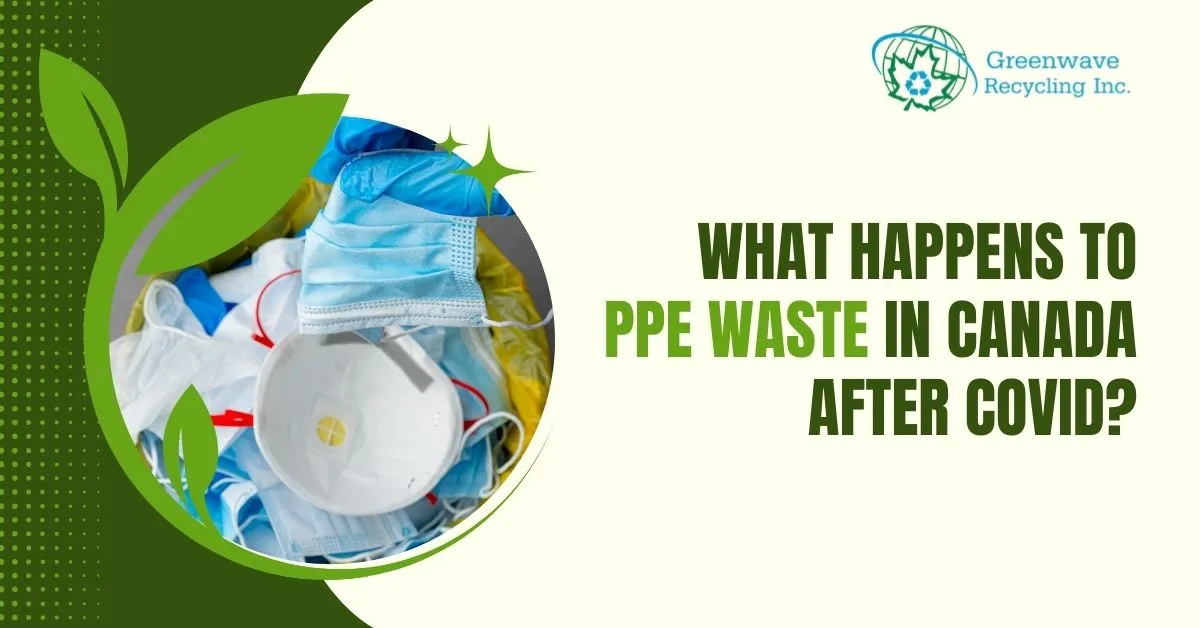
Canada PPE recycling focuses on the responsible collection, sterilization, and reprocessing of used protective equipment. By prioritizing PPE recycling, organizations can reduce landfill waste, limit plastic pollution, meet regulatory requirements, and support long-term environmental sustainability across healthcare, industrial, and commercial sectors.
Cardboard Paper Recycling
Cardboard remains one of the most commonly recycled materials generated by businesses across various industries. Through effective recovery and processing systems, Paper Recycling helps organizations reduce packaging waste while recovering valuable fibres for future use. Warehouses, manufacturers, retailers, and distribution centres can improve sustainability performance by recycling cardboard materials responsibly. These efforts support landfill diversion, resource conservation, and circular economy objectives. By treating used cardboard as a recoverable resource rather than waste, businesses can strengthen environmental initiatives and improve overall waste management outcomes.
Cardboard Recycle Saskatoon
Cardboard recycling in Saskatoon supports efficient waste handling for businesses. It helps reduce waste and improve productivity in operations. Companies benefit from better resource utilization and cost savings. Using Cardboard Scrap Recycling supports long-term growth and sustainability.
Cardboard Recycling
Cardboard recycling focuses on converting waste into reusable materials for industrial use. It helps reduce waste and improve productivity across operations. Businesses achieve better resource utilization and cost savings. Using Corrugated Paper Recycling ensures efficient and sustainable performance.
Cardboard Recycling Box
Proper collection systems play an important role in improving recycling efficiency across commercial and industrial facilities. Using dedicated cardboard recycling boxes helps businesses separate recyclable materials, reduce contamination, and simplify collection procedures. By supporting Cardboard Recycling, organizations can improve material recovery, conserve valuable paper fibres, and reduce landfill waste. Effective collection practices also strengthen sustainability initiatives, improve operational efficiency, and contribute to responsible waste management through organized handling and resource recovery.
Cardboard Recycling Halifax
Cardboard recycling in Halifax supports efficient waste management for businesses. It helps reduce waste and improve operational efficiency in industrial processes. Companies benefit from better cost control and sustainability. Using Corrugated Paper Recycling ensures long-term growth.
Cardboard Recycling in Calgary
Cardboard recycling in Calgary helps businesses handle packaging waste efficiently and reduce environmental impact. It improves operational processes and supports better resource utilization. Companies benefit from improved cost control and efficiency. Using Cardboard Scrap Recycling ensures reliable and sustainable operations.
Cardboard Recycling Kamloops
Cardboard recycling in Kamloops helps businesses manage waste effectively through structured systems. It improves resource utilization and reduces environmental impact. Industries benefit from better efficiency and cost savings. Using Corrugated Paper Recycling supports sustainable operations.
Cardboard Recycling Kelowna
Cardboard recycling in Kelowna helps businesses manage waste effectively through structured systems. It improves efficiency and reduces environmental impact. Companies benefit from better cost control and productivity. Using Cardboard Scrap Recycling supports sustainable operations.
Cardboard Recycling Langley
Cardboard recycling in Langley helps businesses manage high volumes of packaging waste efficiently. It improves workflow by reducing clutter and optimizing waste handling systems. Companies can achieve better resource utilization and reduce disposal costs. Adopting Cardboard Scrap Recycling supports sustainable growth and operational efficiency.
Cardboard Recycling Process
An efficient recycling process helps businesses recover valuable cardboard fibres while reducing landfill waste and conserving natural resources. Collection, sorting, cleaning, processing, and fibre recovery are essential stages that improve material quality and support responsible manufacturing. Through Cardboard Recycling, organizations can maximize resource efficiency, strengthen sustainability initiatives, and contribute to circular economy goals. Understanding each stage of the recycling process enables businesses to improve waste management practices while creating long-term environmental and operational benefits through responsible material recovery.
Cardboard Recycling Winnipeg
Cardboard recycling in Winnipeg helps businesses handle packaging waste efficiently. It improves waste management and reduces environmental impact in operations. Industries benefit from better resource utilization and cost savings. Using Corrugated Paper Recycling ensures reliable and sustainable performance.
Commercial Paper Recycling
Commercial Paper Recycling focuses on recovering paper materials generated by offices, retail facilities, warehouses, and other commercial operations. Common materials may include office paper, packaging materials, newspapers, and cardboard, depending on collection requirements. Integrating Paper Recycling into commercial waste management can help businesses separate recyclable materials from general waste and improve resource recovery. Effective collection and contamination control support better processing outcomes while reducing unnecessary landfill disposal. A consistent commercial recycling programme can also contribute to broader sustainability objectives and more responsible resource management.

Conveyor Belt Recycling
Conveyor belt recycling focuses on reprocessing used conveyor belts into reusable rubber materials for industrial and commercial applications. Canadian industries benefit from conveyor belt recycling by reducing waste volumes, minimizing environmental impact, supporting circular economy goals, and improving overall industrial waste management efficiency.
Conveyor Belt Rubber Scrap
Conveyor belt rubber scrap consists of high-quality rubber extracted from used conveyor belts. Recycling conveyor belt rubber scrap allows Canadian industries to reuse durable rubber materials in flooring, mats, liners, and construction applications, supporting sustainability, waste reduction, and efficient industrial recycling solutions.
Conveyor Belt Scrap
Conveyor belt scrap refers to worn or discarded conveyor belts generated by industries such as mining, cement, manufacturing, and logistics. Recycling conveyor belt scrap helps Canadian industries reduce landfill waste, recover valuable rubber materials, lower disposal costs, and support sustainable industrial waste management while meeting environmental compliance standards.
Conveyor Belt Scrap Recycling
Conveyor belt scrap recycling involves collecting, cutting, shredding, and processing used conveyor belts to recover rubber and steel for reuse. In Canada, this recycling practice supports industrial sustainability, reduces environmental impact, conserves raw materials, and helps industries transform waste into valuable recycled products.
Corrugated Cardboard Recycling
Corrugated cardboard recycling focuses on managing packaging waste generated from industrial and commercial activities. It helps improve material recovery and reduces unnecessary waste in production systems. Businesses can streamline operations by implementing efficient sorting and handling methods. Using Cardboard Scrap Recycling ensures better sustainability and long-term resource efficiency.
Corrugated Paper Recycling
Corrugated paper recycling helps businesses manage packaging waste efficiently through structured systems and processes. It improves resource utilization and reduces unnecessary material loss in operations. Companies benefit from better cost control and improved efficiency. Using Corrugated Paper Recycling supports sustainable and long-term industrial growth.
Disposable Gloves Recycling
Disposable Gloves Recycling helps organizations responsibly manage the large volumes of single-use PPE generated daily. Whether in healthcare facilities, laboratories, or industrial settings, disposable gloves contribute significantly to landfill waste. Implementing Gloves Recycling solutions allows these materials to be collected, processed, and converted into reusable resources. Certified recycling programs ensure safe handling, regulatory compliance, and environmental responsibility. Disposable Gloves Recycling reduces carbon footprint, supports sustainability reporting, and improves overall waste management efficiency while promoting circular economy practices.

Eco-Friendly Paper Disposal
Eco-friendly paper disposal focuses on reducing landfill waste through smart, sustainable recycling and reuse methods. Industrial facilities generate significant amounts of paper waste daily—from packaging materials to production by-products. By adopting environmentally conscious disposal strategies, companies can ensure that this waste is properly sorted, processed, and recycled into new products. These methods not only help conserve natural resources but also reduce greenhouse gas emissions associated with paper decomposition. Many Canadian industries are transitioning toward greener disposal systems to comply with environmental policies and promote corporate sustainability. Eco-friendly disposal practices demonstrate a company’s responsibility towards nature, enhance its reputation, and lead to significant long-term cost savings. Choosing sustainable paper disposal is a proactive step toward cleaner operations and a healthier planet.
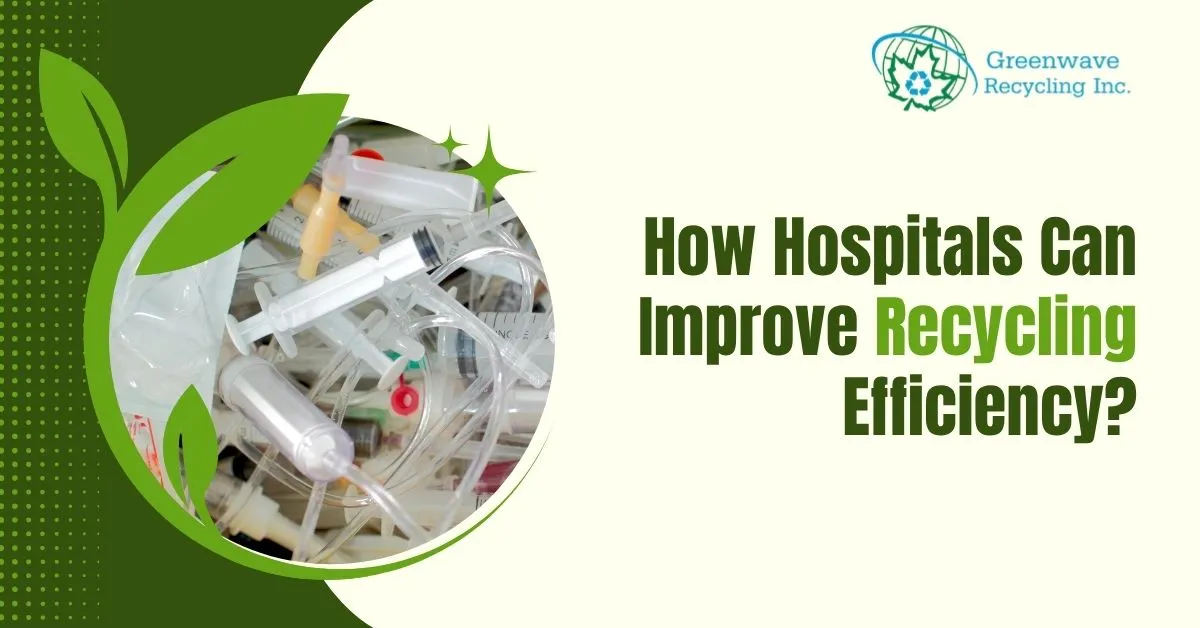
Efficiency in Recycling
Improving efficiency in recycling allows healthcare facilities to maximize resource recovery while reducing waste disposal volumes. Measuring performance, monitoring recycling rates, and identifying contamination issues help organizations strengthen recycling programs and improve environmental outcomes. Data-driven decision-making enables hospitals to optimize collection systems and increase participation across departments. Through stronger recycling initiatives and Medical & PPE Recycling programs, facilities can achieve better waste diversion results while supporting sustainability objectives. Increased recycling efficiency contributes to responsible resource management and long-term environmental stewardship.
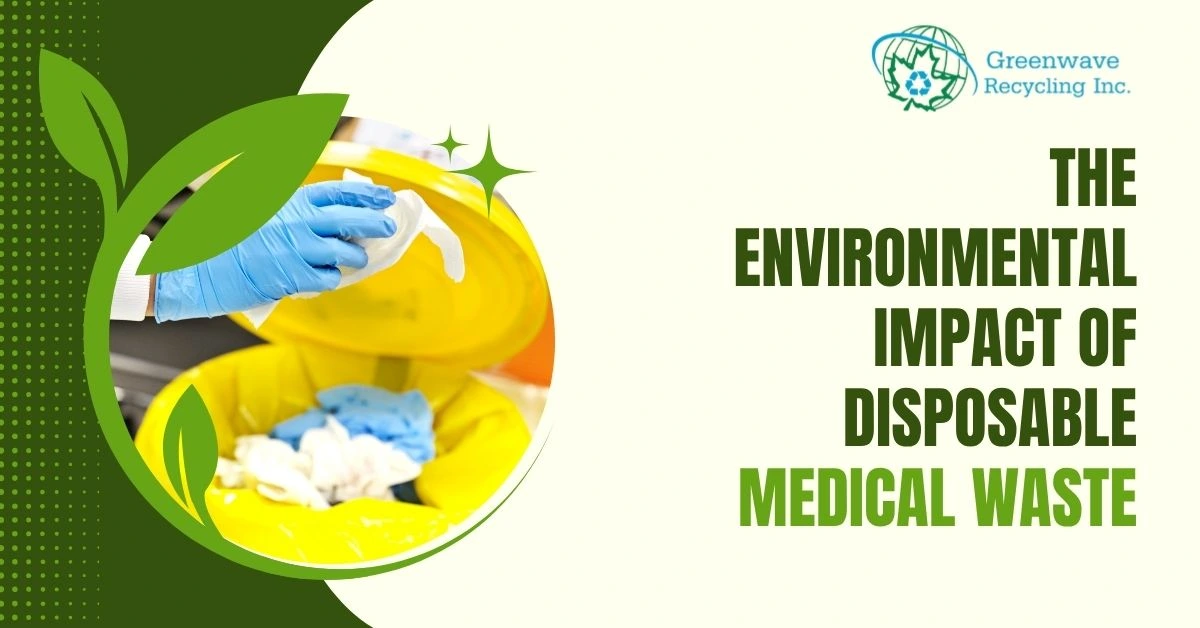
Environmental Impact Waste Disposal
The environmental impact of waste disposal remains a growing concern across healthcare and industrial sectors. Improper disposal practices can contribute to landfill expansion, plastic pollution, and loss of valuable recyclable resources. Many medical products are manufactured using durable plastics that may remain in the environment for extended periods when not responsibly managed. Sustainable recycling and recovery solutions help minimize these impacts while promoting circular economy practices and environmental accountability. Proper management of Disposable Medical Waste supports landfill diversion, resource conservation, and safer environmental outcomes. Organizations that adopt responsible waste strategies strengthen sustainability performance and demonstrate a commitment to environmental responsibility.
Expired Nitrile Gloves
Expired nitrile gloves create a growing waste challenge across healthcare, industrial, and commercial sectors. This tag covers best practices for handling, recycling, and managing expired nitrile gloves safely and sustainably. Learn how proper segregation, recycling processes, and waste reduction strategies help divert gloves from landfills, reduce plastic pollution, and support circular economy goals in Canada.
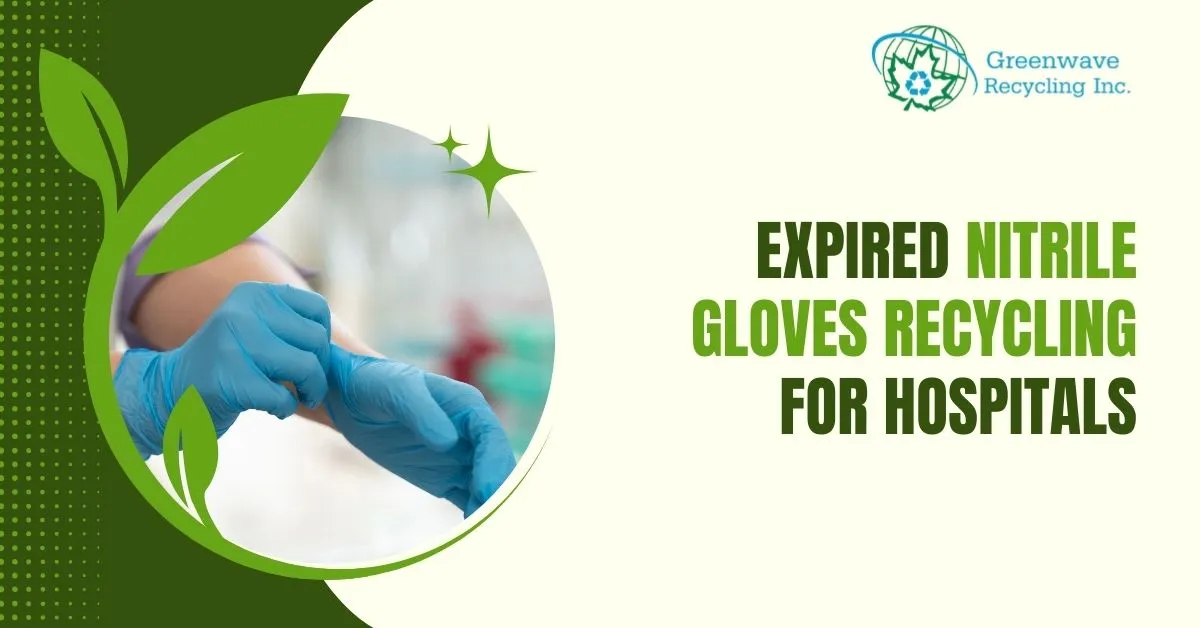
Expired Nitrile Gloves Disposal
Expired nitrile gloves disposal covers proper methods for managing gloves that have passed their shelf life but remain unused. This tag explains how expired gloves can be safely separated from biomedical waste and recycled when uncontaminated. It focuses on reducing unnecessary incineration and landfill use while supporting sustainable waste practices.
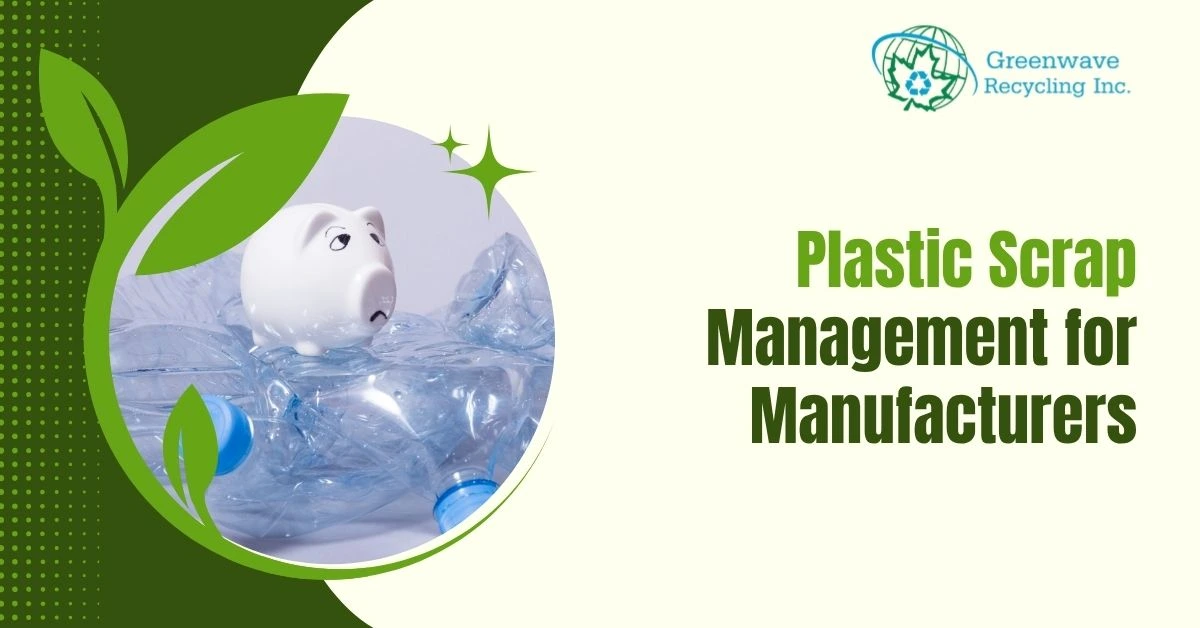
Factory Waste Recycling
Factory waste recycling helps manufacturers manage plastic waste efficiently through structured plastic recycling systems. It supports better resource utilization and reduces unnecessary material loss during production. By improving waste handling processes, industries can achieve higher efficiency and lower operational costs. This approach also contributes to sustainable manufacturing and long-term business growth.
Gloves Recycling
Gloves recycling focuses on responsible waste management for disposable gloves used in healthcare, food processing, laboratories, and industrial environments. This tag highlights recycling methods, waste reduction strategies, and sustainable solutions that help organizations manage glove waste efficiently while meeting environmental and compliance goals.

Green Glove Technology Recycling
Green glove technology recycling explores innovative and eco-friendly approaches to recycling disposable gloves. This tag covers advanced processing methods, material recovery techniques, and sustainable technologies that convert used or expired gloves into reusable raw materials, supporting low-impact and circular recycling solutions.

HDPE Recycling
HDPE is widely used in industrial containers, packaging, and manufacturing applications due to its strength and durability. Recovering this material through structured recycling programs helps businesses reduce waste while conserving valuable resources. Supporting efficient material recovery, Plastic Recycling enables HDPE to be processed into reusable raw materials that contribute to sustainable manufacturing and circular economy initiatives. Responsible recycling practices also help organizations lower landfill waste, improve environmental performance, and strengthen long-term sustainability across industrial and commercial operations.
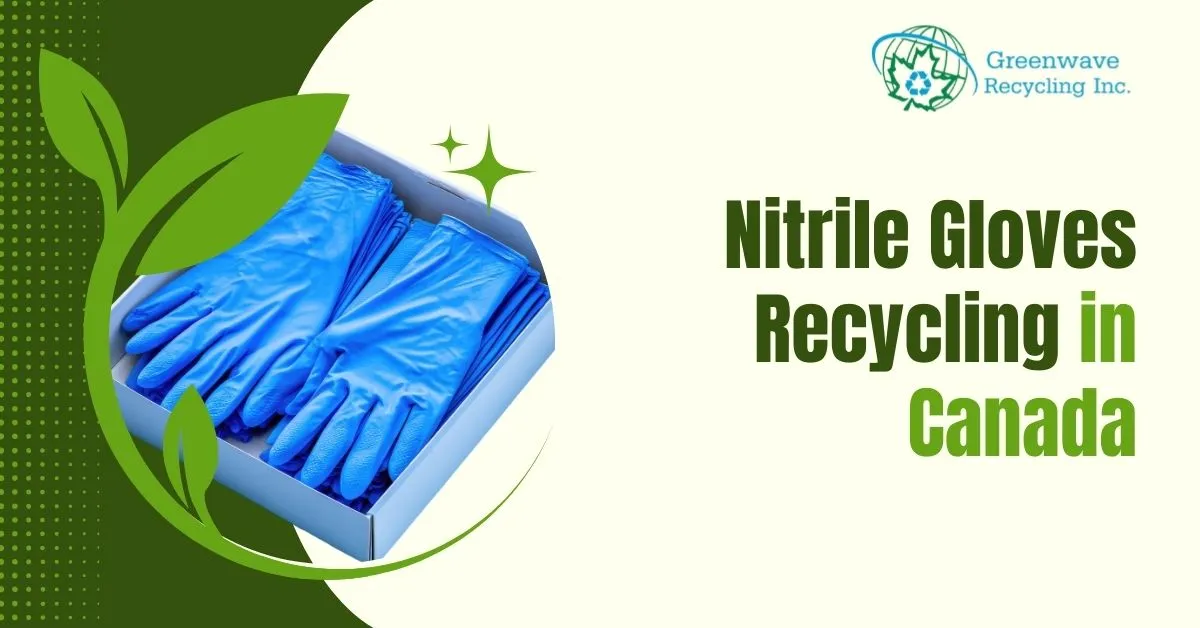
Health Care Waste Management Policy
Health care waste management policy defines regulations and procedures for handling medical waste safely in healthcare environments. These policies guide hospitals and healthcare organizations on waste segregation, treatment, disposal methods, and compliance requirements. Strong waste management policies support infection control, environmental protection, and responsible healthcare operations.
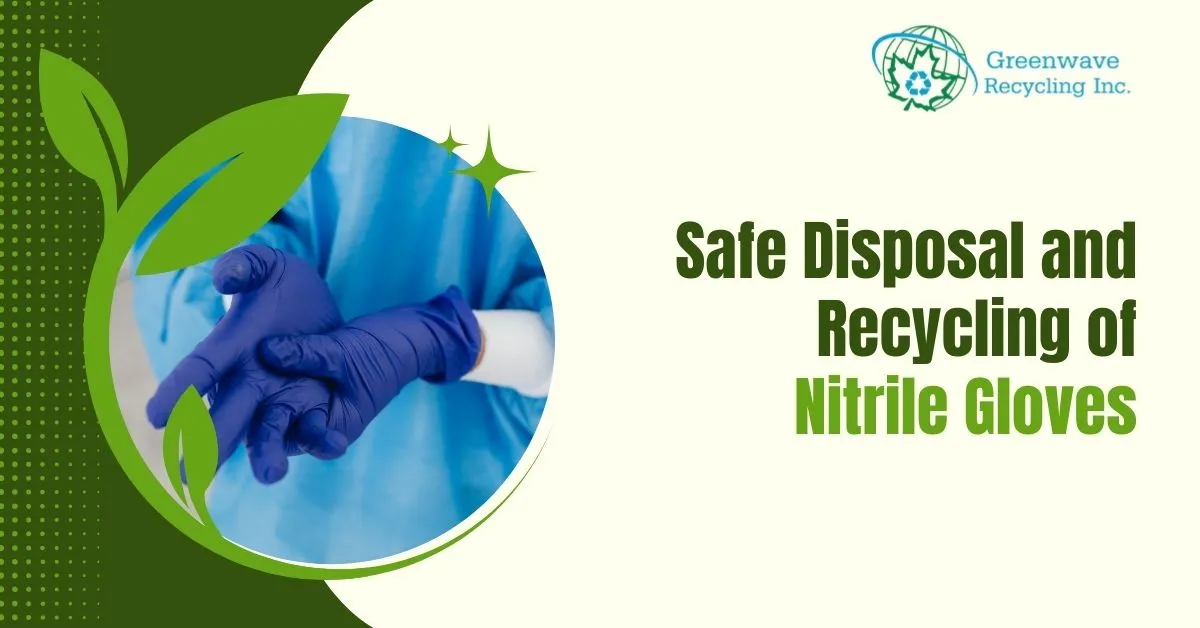
Healthcare Waste Conference
A healthcare waste conference brings together professionals, researchers, policymakers, and industry leaders to discuss innovations in nitrile gloves recycling and sustainable healthcare practices. These conferences focus on improving medical waste disposal, recycling technologies, regulatory compliance, and environmental sustainability within the healthcare sector. Participants learn about new waste management systems, advanced recycling techniques, and strategies to reduce the environmental impact of healthcare operations. Conferences also provide opportunities for collaboration and knowledge sharing among hospitals, environmental agencies, and waste management experts. By attending healthcare waste conferences, organizations gain insights into emerging technologies, best practices, and regulatory updates that help improve waste management systems and promote sustainable healthcare operations.
Healthcare Waste Management in Nigeria
Healthcare waste management in Nigeria addresses the handling, treatment, and disposal of medical waste generated by hospitals and healthcare facilities. Proper waste management systems help reduce environmental pollution, improve public health safety, and strengthen healthcare infrastructure. This tag covers strategies, policies, and solutions for managing healthcare waste responsibly.
Healthcare Waste Recycling
Healthcare waste recycling is an essential part of modern nitrile gloves recycling strategies used by hospitals, clinics, laboratories, and healthcare facilities. Medical operations generate large volumes of disposable materials, including gloves, masks, syringes, and packaging. Without proper recycling and disposal systems, these materials can create environmental risks and increase landfill waste. Effective healthcare waste recycling programs help facilities segregate, process, and recover materials safely while maintaining compliance with health regulations. Sustainable waste management solutions include proper waste segregation, recycling initiatives, and certified disposal methods that reduce pollution and improve environmental protection. By implementing structured healthcare waste recycling programs, organizations can lower disposal costs, support sustainability goals, and enhance overall waste management efficiency within the healthcare sector.
Healthcare Waste Recycling Canada
Healthcare waste recycling in Canada involves the safe and sustainable management of medical, clinical, and non-hazardous healthcare waste. This tag focuses on recycling strategies that reduce landfill dependence, improve waste efficiency, and support environmental responsibility within the Canadian healthcare system. It highlights approaches that balance safety, compliance, and sustainability.
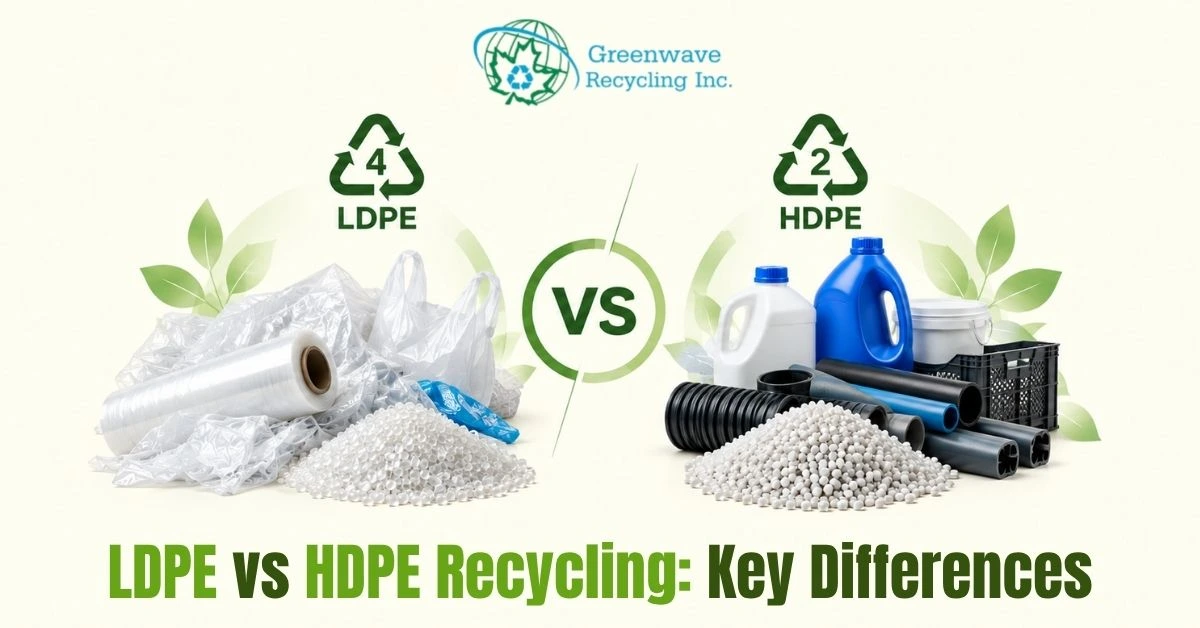
High Density Polyethylene Recycling
High Density Polyethylene Recycling focuses on recovering rigid HDPE materials for further processing and reuse. HDPE is identified by resin code #2 and is commonly found in milk jugs, detergent bottles, crates, and pipes. Understanding its properties, collection, sorting, washing, shredding, melting, and pelletizing can help businesses manage plastic waste more effectively through Plastic Recycling. This tag covers HDPE material recovery, recycling processes, common recycled outputs, and the role of responsible recovery in reducing waste. It also explains why proper segregation can improve processing efficiency, conserve valuable materials, and support sustainable resource management practices.
Hospital PPE Recycling
Hospital PPE recycling focuses on the responsible handling of used and expired personal protective equipment generated in healthcare environments. This tag covers best practices for recycling masks, gloves, gowns, and other PPE to reduce landfill waste, lower environmental impact, and support safe healthcare operations. It highlights sustainable recycling methods that help hospitals meet regulatory requirements while advancing long-term environmental goals.
Hospital Waste Management
Hospital Waste Management involves structured approaches to collecting, segregating, handling, and processing different waste streams generated within healthcare facilities. This tag covers responsible waste practices, material recovery, contamination control, recycling opportunities, and handling procedures. Suitable PPE and other recyclable materials may be directed toward recovery when their composition and condition allow it. Integrating PPE Recycling into broader hospital waste management can support resource efficiency and reduce avoidable disposal. Clear procedures and recycling partnerships can help hospitals strengthen sustainable waste practices today.
Hospital Waste Management and Disposal
Proper waste handling is essential for maintaining safe and sustainable healthcare operations. Hospital waste management and disposal practices help facilities manage recyclable materials, medical plastics, PPE products, and general waste responsibly. Clear procedures, staff awareness, and effective segregation systems contribute to improved waste diversion and reduced environmental impact. Incorporating Medical & PPE Recycling into disposal strategies allows hospitals to recover valuable materials while minimizing landfill waste. Well-structured disposal programs support compliance requirements, operational efficiency, and long-term sustainability objectives throughout healthcare facilities.
Hospital Waste Management Bags
Hospital waste management bags play a critical role in maintaining safe and efficient nitrile gloves recycling practices within healthcare facilities. These specialized bags are designed for proper segregation and disposal of different types of medical waste, including infectious materials, hazardous waste, and general hospital waste. Color-coded waste management bags help healthcare staff easily identify and separate waste streams, reducing the risk of contamination and improving disposal efficiency. Using the correct hospital waste management bags ensures compliance with healthcare regulations and environmental guidelines. Proper waste management systems that include high-quality disposal bags help hospitals maintain hygienic environments, protect healthcare workers, and support responsible medical waste disposal practices.
Hospital Waste Management Bins
Properly designed waste collection systems play a major role in improving recycling outcomes within healthcare facilities. Hospital waste management bins help staff identify, separate, and dispose of materials correctly, reducing contamination and improving recovery rates. Strategic bin placement, clear labelling, and staff education contribute to more efficient waste management practices. Supporting Medical & PPE Recycling through effective bin systems allows hospitals to recover recyclable materials more successfully while reducing disposal volumes. These simple yet effective solutions help healthcare organizations improve sustainability performance and operational efficiency.
Hospital Waste Management Companies
Hospital waste management companies specialize in managing medical waste generated by healthcare facilities. Their services typically include waste collection, treatment, recycling, and disposal while ensuring compliance with safety and environmental standards. This tag highlights the role of professional service providers in maintaining safe healthcare waste management systems.
Hospital Waste Management Guidelines
Hospital waste management guidelines provide structured procedures for safely managing healthcare waste from generation to disposal. These guidelines include waste segregation, labeling, safe storage, transportation, and treatment methods to reduce infection risks and environmental impact. Following proper guidelines helps healthcare institutions maintain safety standards and improve overall waste handling efficiency.
Hospital Waste Management Methods
Healthcare facilities generate diverse waste streams that require structured management to ensure safety, compliance, and sustainability. Effective hospital waste management methods help organizations improve waste segregation, increase recycling participation, and reduce landfill dependency. By implementing standardized collection procedures, staff training programs, and waste monitoring systems, hospitals can strengthen operational efficiency and environmental performance. Integrating Medical & PPE Recycling into these methods supports resource recovery and responsible disposal practices. These strategies help healthcare organizations achieve sustainability goals while maintaining effective waste management systems.
Hospital Waste Management Services
Hospital waste management services focus on the safe collection, segregation, treatment, and disposal of medical waste generated by healthcare facilities. Effective waste management systems protect healthcare workers, patients, and the environment by ensuring hazardous materials are handled responsibly. This tag covers solutions and strategies that help hospitals manage biomedical waste efficiently while meeting safety standards and sustainability goals.
Hospital Waste Management System
A hospital waste management system is a structured process used to safely handle, segregate, and dispose of medical waste generated in healthcare facilities. Hospitals produce a variety of waste materials including infectious waste, sharps, pharmaceutical waste, and general waste. Proper nitrile gloves recycling systems ensure that each type of waste is handled according to regulatory standards to protect healthcare workers, patients, and the environment. A comprehensive hospital waste management system includes waste segregation at the source, labeled disposal containers, secure storage areas, and certified treatment or recycling solutions. Implementing effective waste management strategies helps healthcare facilities reduce environmental risks, improve operational efficiency, and maintain compliance with public health and environmental regulations.
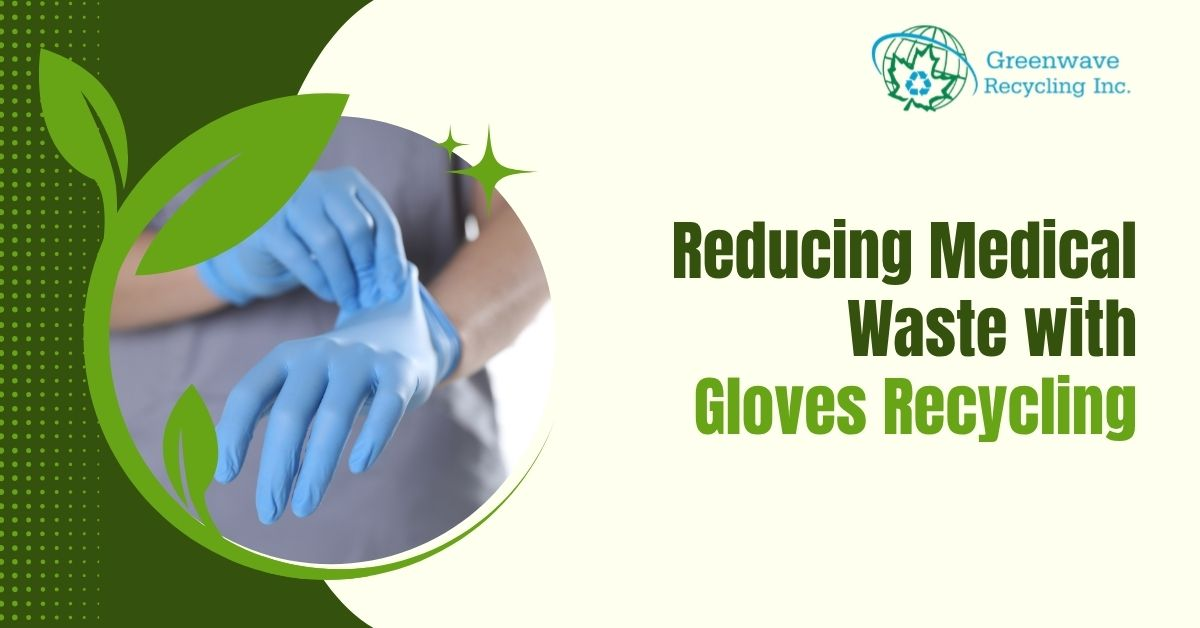
Hospital Waste Recycling
Hospital waste recycling plays an important role in reducing the environmental impact of healthcare facilities across Canada. Hospitals generate large volumes of waste, including disposable gloves and protective equipment. By adopting Gloves Recycling, healthcare organizations can reduce landfill waste and improve sustainability. Proper segregation and recycling systems help ensure safe handling while supporting environmental goals. Hospital waste recycling is becoming a key part of responsible healthcare waste management in Canada.
How Many Types of Medical Waste
Medical waste is categorized into different types such as infectious, non-infectious, chemical, and general waste. Understanding these categories is important for proper waste management. A structured Nitrile Gloves Recycling program focuses on handling specific types of waste, especially non-hazardous gloves, while ensuring safe segregation and compliance with regulations.
How Paper Recycling
Understanding how paper recycling works helps businesses recognize how discarded paper can become a valuable recoverable resource. The process generally involves collection, sorting, preparation, processing, and recovery of usable fibres for suitable manufacturing applications. By implementing Paper Recycling, organizations can reduce landfill waste, conserve natural resources, and improve material efficiency. This tag explains the key stages of paper recovery and highlights how responsible recycling practices can support sustainable operations, resource conservation, and circular economy objectives.
How To Dispose of Medical Waste
Proper disposal of healthcare waste requires clear procedures that prioritize safety, compliance, and environmental responsibility. Identifying recyclable materials and separating them from regulated waste helps improve resource recovery while reducing unnecessary landfill disposal. Incorporating Medical Gloves Recycling into waste management strategies enables healthcare facilities to recover suitable materials through responsible recycling processes. Following structured disposal procedures also supports regulatory compliance, improves operational efficiency, and contributes to sustainable healthcare waste management practices.
How To Reuse Paper Waste
Reusing paper before recycling can extend the useful life of materials and help businesses reduce unnecessary waste. Suitable paper can be used for internal notes, draft documents, packaging, or other practical purposes before entering the recycling stream. Combining reuse with Paper Recycling creates a more effective approach to resource management by reducing disposal and maximizing material value. This tag explores practical ways to reuse paper waste and explains how businesses can incorporate simple reuse practices into everyday operations while supporting broader sustainability goals.
Importance of Hospital Waste Management
Effective waste management plays a critical role in supporting environmental responsibility and sustainable healthcare practices. The importance of hospital waste management extends beyond regulatory compliance by helping facilities reduce waste, improve resource recovery, and strengthen sustainability performance. Proper waste handling systems contribute to landfill diversion, operational efficiency, and safer healthcare environments. By incorporating Medical & PPE Recycling into broader waste management strategies, hospitals can further reduce environmental impact and support circular economy objectives. These efforts demonstrate leadership while promoting long-term sustainability across healthcare operations.
Industrial Paper Recycling
Industrial paper recycling plays a vital role in helping manufacturing units, warehouses, and packaging industries reduce operational waste and costs. By implementing structured recycling systems, businesses can divert large volumes of paper waste from landfills and convert them into reusable raw materials. This process not only minimizes environmental impact but also aligns with corporate sustainability and ESG initiatives. Through advanced sorting, baling, and processing technologies, industrial facilities can ensure efficient material recovery and optimize their waste management programs. Many organizations in Canada now adopt closed-loop recycling models to enhance resource efficiency and demonstrate eco-conscious practices. Investing in industrial paper recycling solutions supports cleaner production, reduces disposal fees, and contributes to circular economy goals, making it both an environmentally responsible and financially smart choice for businesses.
Industrial Plastic Waste
Industrial plastic waste is a major concern in manufacturing, but effective LDPE Scrap Recycling helps manage and reuse materials efficiently. It reduces landfill waste and improves resource utilization. Industries benefit from better cost control and sustainability. Using LDPE Scrap Recycling ensures long-term efficiency and reliable operations.
Industrial Recycling Solutions
Industrial recycling solutions focus on improving waste management through effective plastic recycling practices. They help manufacturers handle materials like HDPE and LDPE more efficiently within production systems. This leads to reduced waste, improved productivity, and better cost control. Implementing such solutions ensures consistent performance and supports sustainable industrial operations.
Industrial Rubber Scrap
Industrial rubber scrap includes waste rubber generated from conveyor belts, manufacturing processes, and heavy equipment. Recycling industrial rubber scrap in Canada helps industries manage waste responsibly, reduce landfill dependency, recover reusable rubber materials, and promote cost-effective and environmentally sustainable production practices.
Industrial Scrap Recycling
Industrial scrap recycling plays an important role in converting production waste into reusable materials using plastic recycling systems. It helps manufacturers reduce material loss and improve efficiency across operations. Proper recycling processes ensure better resource utilization and cost savings. This supports long-term sustainability and enhances overall manufacturing performance.
Industrial Waste Management
Industrial waste management involves handling waste through efficient LDPE Scrap Recycling practices. It helps industries reduce environmental impact and improve resource use. Proper systems ensure better control and efficiency. Using LDPE Scrap Recycling supports sustainable manufacturing operations.
Is HDPE Recyclable
Is HDPE Recyclable is a common question for businesses and organizations managing plastic waste. HDPE, identified by resin code #2, is generally suitable for established recycling systems because its rigid form can be collected, sorted, washed, shredded, and processed efficiently. This tag covers HDPE recyclability, collection, processing, and potential recycled outputs as part of effective Plastic Recycling practices. It also highlights why proper segregation and contamination control matter when recovering HDPE materials. Understanding these factors can help businesses make better decisions about plastic waste management, improve material recovery opportunities, and support responsible use of recyclable resources.
LDPE Recycling
Businesses across Canada generate significant amounts of LDPE waste through packaging films, bags, liners, and industrial applications. Recovering these materials through responsible recycling programs helps reduce landfill waste while improving resource efficiency and supporting sustainable manufacturing. By processing post-industrial LDPE into reusable raw materials, Plastic Recycling contributes to a circular economy and reduces dependence on virgin plastics. Organizations that invest in LDPE recovery can strengthen environmental performance, improve waste management practices, and create long-term sustainability value across their operations.
LDPE vs HDPE Examples
LDPE Vs HDPE Examples make it easier to understand how these two polyethylene materials appear in everyday and industrial products. HDPE is commonly used for rigid items such as milk jugs, detergent bottles, crates, and pipes, while LDPE can be found in plastic bags, shrink wrap, films, and squeeze bottles. Their different physical forms also influence collection and recycling requirements. This tag explores examples, common applications, material characteristics, and recovery considerations within Plastic Recycling. Understanding these examples can help businesses identify plastic streams correctly, improve segregation, and direct suitable materials toward appropriate recycling processes.
Low Density Polyethylene Recycling
Low Density Polyethylene Recycling involves recovering flexible LDPE materials such as plastic bags, shrink wrap, and films through suitable collection and processing systems. LDPE is identified by resin code #4, and its soft, stretchy form can create challenges for conventional sorting equipment. This tag covers LDPE collection, sorting, film recycling, specialized processing, and material recovery through effective Plastic Recycling practices. It also explains how businesses can manage flexible plastic waste by reducing contamination and directing suitable materials toward appropriate recycling infrastructure. These practices support resource efficiency, waste reduction, and sustainable plastic management.
Medical Gloves Recycling
Medical gloves recycling addresses the growing volume of disposable gloves used in hospitals, clinics, laboratories, and industrial settings. This tag explores how unused or expired gloves can be recycled responsibly, reducing waste and preventing plastic pollution. It also covers proper segregation, recycling processes, and the role gloves recycling plays in sustainable medical waste management.
Medical Waste Collection
Efficient collection systems are essential for maintaining safe healthcare environments while supporting responsible recycling initiatives. Proper waste collection helps healthcare facilities separate recyclable materials, reduce contamination, and improve overall waste management efficiency. Through organized collection procedures, Medical Gloves Recycling supports resource recovery while minimizing landfill waste and strengthening environmental performance. Secure handling, transportation, and collection practices also help healthcare organizations maintain compliance and achieve long-term sustainability objectives through responsible waste management.
Medical Waste Disposal
Medical waste disposal involves the safe and controlled management of healthcare waste generated through hospitals, clinics, laboratories, and medical distribution networks. Effective disposal systems help organizations handle protective equipment, medical plastics, and other single-use products while reducing environmental impact and supporting operational compliance. Modern disposal strategies increasingly combine logistics, segregation, recycling, and documentation to improve waste management efficiency and sustainability outcomes. Proper handling of Disposable Medical Waste is essential for reducing landfill pressure, improving resource recovery opportunities, and promoting environmentally responsible healthcare practices. Sustainable medical waste disposal supports safer facilities while contributing to broader environmental and circular economy goals.

Medical Waste Disposal Abbotsford
Abbotsford healthcare facilities can rely on expert Medical Waste Disposal services for secure handling of infectious and biohazardous waste. Services include collection, transportation, and proper disposal, ensuring safety and full regulatory compliance.
Medical Waste Disposal Brampton
Brampton hospitals, clinics, and laboratories can manage infectious and hazardous waste efficiently with expert Medical Waste Disposal services. Full compliance with regulations ensures staff and patient safety while maintaining environmental responsibility.
Medical Waste Disposal Brantford
Brantford healthcare facilities can rely on expert Medical Waste Disposal services to handle infectious and hazardous waste efficiently. Services include collection, transport, and compliant disposal, ensuring safety for staff, patients, and the surrounding community.
Medical Waste Disposal Burlington
Burlington clinics, hospitals, and labs can ensure safe Medical Waste Disposal services. Our team handles hazardous waste efficiently, providing secure collection, transport, and compliant disposal while safeguarding staff, patients, and the environment.
Medical Waste Disposal Burnaby
Burnaby healthcare facilities can rely on expert Medical Waste Disposal services for safe handling of infectious and biohazardous waste. Our team ensures proper collection, transportation, and compliant disposal, protecting staff, patients, and the community.
Medical Waste Disposal Calgary
Greenwave Recycling delivers reliable Medical Waste Disposal services in Calgary. We handle biohazardous waste for hospitals, clinics, and laboratories safely and efficiently, providing complete collection, transportation, and compliant disposal solutions.
Medical Waste Disposal Certificate
A Medical Waste Disposal Certificate verifies that healthcare facilities comply with safety regulations for handling, transporting, and disposing of infectious and biohazardous waste. Certification helps hospitals, clinics, and labs demonstrate regulatory compliance and maintain a safe environment.
Medical Waste Disposal Chatham
Chatham hospitals, clinics, and laboratories can access professional Medical Waste Disposal services. Proper segregation, transport, and environmentally responsible disposal of infectious and biohazardous waste ensure staff, patient, and community safety.
Medical Waste Disposal Edmonton
Greenwave Recycling ensures safe Medical Waste Disposal in Edmonton. Our services help hospitals, clinics, and labs manage infectious and hazardous waste efficiently while adhering to strict regulations and protecting the community and environment.
Medical Waste Disposal Fredericton
Fredericton healthcare facilities can rely on secure Medical Waste Disposal services. Services include proper handling, transport, and disposal of infectious and hazardous waste, ensuring compliance with regulatory standards and a safe environment for staff and patients.
Medical Waste Disposal Gatineau
Gatineau clinics, hospitals, and labs can access professional Medical Waste Disposal services for safe and efficient management of biohazardous waste. We ensure proper segregation, collection, and disposal, fully complying with regulatory standards.
Medical Waste Disposal Grande Prairie
Grande Prairie healthcare providers can depend on professional Medical Waste Disposal services to handle infectious and biohazardous waste efficiently. Proper segregation, transportation, and disposal ensure compliance and protection for staff and patients.
Medical Waste Disposal Guelph
Guelph healthcare providers can depend on professional Medical Waste Disposal services for efficient management of infectious and biohazardous waste. Proper collection, transportation, and disposal maintain compliance and protect staff, patients, and the environment.
Medical Waste Disposal Halifax
Halifax healthcare providers can ensure safety with professional Medical Waste Disposal services. We manage segregation, collection, and disposal of biohazardous and infectious waste efficiently while following all regulatory requirements.
Medical Waste Disposal Hamilton
Hamilton healthcare providers can depend on professional Medical Waste Disposal services to handle biohazardous waste safely. Services include proper segregation, secure transport, and compliant disposal, ensuring protection for staff, patients, and the surrounding community.
Medical Waste Disposal Kamloops
Kamloops hospitals, clinics, and labs can ensure safe Medical Waste Disposal services. From collection and transport to compliant disposal, these services manage biohazardous waste efficiently while maintaining regulatory compliance and environmental responsibility.
Medical Waste Disposal Kingston
Kingston healthcare providers can rely on expert Medical Waste Disposal services to manage infectious and hazardous waste efficiently. Full compliance with local regulations ensures a safe and healthy environment for staff and patients.
Medical Waste Disposal Kitchener
Kitchener healthcare providers can rely on professional Medical Waste Disposal services for proper handling of biohazardous waste. Our team ensures secure collection, transport, and disposal, maintaining regulatory compliance and a safe environment for staff and patients.
Medical Waste Disposal Laval
Laval healthcare providers can manage hazardous and infectious waste efficiently with expert Medical Waste Disposal services. From collection to compliant disposal, our services protect staff, patients, and the environment while meeting all local regulations.
Medical Waste Disposal Lethbridge
Lethbridge healthcare facilities can access specialized Medical Waste Disposal services for secure handling of hazardous and infectious waste. Services include proper segregation, safe transport, and compliant disposal, ensuring staff and patient safety.
Medical Waste Disposal License
A Medical Waste Disposal License is essential for healthcare facilities and waste management providers to handle, transport, and dispose of biohazardous and infectious waste legally. Licensing ensures compliance with local and national regulations and promotes safe and responsible medical waste management.
Medical Waste Disposal London
London healthcare facilities can ensure compliance and safety with expert Medical Waste Disposal services. We handle infectious and hazardous waste efficiently, including segregation, transport, and proper disposal, protecting staff, patients, and the surrounding community.
Medical Waste Disposal Medicine Hat
Medicine Hat hospitals, clinics, and laboratories can access expert Medical Waste Disposal services for safe handling of hazardous waste. Services include secure collection, transportation, and compliant disposal, maintaining a safe environment for staff and patients.
Medical Waste Disposal Methods
Medical waste disposal methods are designed to ensure healthcare waste is managed safely, efficiently, and in accordance with environmental and operational standards. Disposal strategies may include secure collection, segregation, transportation, recycling, and responsible material recovery depending on waste type and facility requirements. Hospitals, clinics, government agencies, and medical distributors rely on effective disposal systems to reduce environmental risks and improve waste management performance. Sustainable approaches increasingly focus on recycling and landfill diversion where appropriate. Proper handling of Disposable Medical Waste helps organizations maintain compliance, strengthen environmental responsibility, and support safer healthcare operations through structured disposal practices
Medical Waste Disposal Mississauga
Mississauga hospitals, clinics, and labs can rely on professional Medical Waste Disposal services for secure handling of biohazardous and infectious waste. Full regulatory compliance and environmentally conscious practices ensure safety for healthcare workers and patients.
Medical Waste Disposal Moncton
Moncton healthcare facilities can ensure safe Medical Waste Disposal with expert services designed for hospitals, clinics, and labs. From proper segregation to compliant disposal, these services help maintain regulatory standards and protect staff, patients, and the local community.
Medical Waste Disposal Montreal
Greenwave Recycling provides trusted Medical Waste Disposal services in Montreal. We manage segregation, collection, transportation, and safe disposal of infectious waste for healthcare facilities, ensuring regulatory compliance and environmental safety.
Medical Waste Disposal Nanaimo
Nanaimo healthcare providers can rely on expert Medical Waste Disposal solutions to handle infectious and hazardous waste safely. Services include secure collection, transportation, and disposal, ensuring compliance with regulations and protection for staff and patients.
Medical Waste Disposal North Bay
North Bay hospitals, clinics, and labs can access secure Medical Waste Disposal services. Proper handling, segregation, transportation, and compliant disposal of biohazardous waste ensures regulatory compliance and a safe healthcare environment.
Medical Waste Disposal Oakville
Oakville healthcare facilities can access expert Medical Waste Disposal services for secure handling of biohazardous and infectious waste. Services include collection, transport, and environmentally responsible disposal, maintaining full regulatory compliance.
Medical Waste Disposal Ottawa
Ensure proper handling of medical waste in Ottawa with professional Medical Waste Disposal services. Hospitals, clinics, and labs can manage infectious and biohazardous waste efficiently while complying with regulations and maintaining a safe environment for staff and patients.
Medical Waste Disposal Peterborough
Peterborough healthcare providers can manage infectious and hazardous waste efficiently through professional Medical Waste Disposal services. Proper collection, transport, and disposal help healthcare facilities maintain a safe and compliant environment for staff and patients.
Medical Waste Disposal Prince George
Prince George hospitals, clinics, and labs can ensure safety with expert Medical Waste Disposal services. Handling, collection, and proper disposal of biohazardous waste are conducted in compliance with local regulations to protect healthcare staff and the community.
Medical Waste Disposal Quebec City
Quebec City clinics, hospitals, and laboratories can use expert Medical Waste Disposal services to handle infectious and hazardous waste safely. Full compliance with regulations and eco-friendly disposal practices ensure the safety of staff, patients, and the environment.
Medical Waste Disposal Red Deer
Red Deer hospitals and clinics can count on expert Medical Waste Disposal services to handle biohazardous and infectious waste safely. Full regulatory compliance and environmentally responsible practices ensure protection for staff, patients, and the community.
Medical Waste Disposal Regina
Regina healthcare providers can trust expert Medical Waste Disposal services for efficient management of biohazardous waste. Services include secure collection, safe transportation, and environmentally responsible disposal, ensuring staff and patient safety at all times.
Medical Waste Disposal Richmond
Richmond hospitals, clinics, and labs can ensure regulatory compliance with professional Medical Waste Disposal services. We manage hazardous and infectious waste efficiently, providing secure collection, transportation, and disposal for a safe healthcare environment.
Medical Waste Disposal Saguenay
Saguenay hospitals, clinics, and labs can ensure proper handling of infectious and hazardous waste with expert Medical Waste Disposal services. Full regulatory compliance and safe disposal practices protect staff, patients, and the local environment.
Medical Waste Disposal Saint John
Saint John hospitals, clinics, and laboratories can rely on secure Medical Waste Disposal services. Services include collection, transportation, and environmentally responsible disposal of infectious and biohazardous waste, ensuring safety and compliance with local regulations.
Medical Waste Disposal Sarnia
Sarnia healthcare facilities can rely on professional Medical Waste Disposal services to manage infectious and biohazardous waste. From collection to proper disposal, these services ensure regulatory compliance and protect staff, patients, and the local environment.
Medical Waste Disposal Saskatoon
Saskatoon hospitals, clinics, and laboratories can rely on professional Medical Waste Disposal services for proper handling of infectious and hazardous waste. Our services ensure full compliance with regulations while maintaining a safe and healthy environment for staff and patients.
Medical Waste Disposal Services
Medical waste disposal methods are designed to ensure healthcare waste is managed safely, efficiently, and in accordance with environmental and operational standards. Disposal strategies may include secure collection, segregation, transportation, recycling, and responsible material recovery depending on waste type and facility requirements. Hospitals, clinics, government agencies, and medical distributors rely on effective disposal systems to reduce environmental risks and improve waste management performance. Sustainable approaches increasingly focus on recycling and landfill diversion where appropriate. Proper handling of Disposable Medical Waste helps organizations maintain compliance, strengthen environmental responsibility, and support safer healthcare operations through structured disposal practices.
Medical Waste Disposal Sherbrooke
Sherbrooke hospitals, clinics, and labs can access expert Medical Waste Disposal services to manage hazardous and infectious waste. Proper collection, transportation, and compliant disposal ensure safety for staff, patients, and the surrounding community.
Medical Waste Disposal St. John’s
St. John’s hospitals, clinics, and laboratories can access professional Medical Waste Disposal services. We handle infectious and biohazardous waste safely, ensuring regulatory compliance and protection for staff, patients, and the surrounding community.
Medical Waste Disposal St.Catharines
St. Catharines hospitals, clinics, and laboratories can ensure safe Medical Waste Disposal services. From segregation to secure collection and compliant disposal, these services maintain regulatory standards and protect healthcare staff and patients.
Medical Waste Disposal Surrey
Surrey hospitals, clinics, and laboratories can access expert Medical Waste Disposal services for proper handling of hazardous waste. Services include collection, transportation, and disposal in full compliance with local regulations, ensuring a safe environment.
Medical Waste Disposal Thunder Bay
Thunder Bay healthcare providers can trust expert Medical Waste Disposal services for safe and efficient management of biohazardous and infectious waste. Services include secure collection, compliant transport, and proper disposal, protecting staff, patients, and the community.
Medical Waste Disposal Toronto
Greenwave Recycling provides expert Medical Waste Disposal services in Toronto. We help hospitals, clinics, and labs manage biohazardous waste safely and efficiently, fully complying with regulations while ensuring a secure environment for staff and patients.
Medical Waste Disposal Trois-Rivières
Trois-Rivières healthcare providers can rely on secure Medical Waste Disposal services. From collection and segregation to compliant disposal of infectious and biohazardous waste, these services help maintain a safe and regulated environment.
Medical Waste Disposal Vancouver
Greenwave Recycling offers professional Medical Waste Disposal in Vancouver. Our team ensures safe handling of infectious and biohazardous waste for hospitals, clinics, and laboratories, following strict regulations and protecting both staff and the environment.
Medical Waste Disposal Victoria
Victoria healthcare facilities can rely on professional Medical Waste Disposal services for efficient and safe management of infectious and biohazardous waste. Compliance with all safety regulations ensures protection for staff, patients, and the surrounding community.
Medical Waste Disposal Windsor
Windsor healthcare facilities can rely on professional Medical Waste Disposal services to manage infectious and hazardous waste efficiently. Services include collection, transportation, and safe disposal, ensuring full compliance and protection for staff, patients, and the environment.
Medical Waste Disposal Winnipeg
Winnipeg healthcare facilities can rely on expert Medical Waste Disposal services for safe and efficient management of infectious and biohazardous waste. Services include collection, transportation, and compliant disposal, ensuring staff, patients, and the community remain protected.
Medical Waste Management Business
Launching a Medical Waste Management Business allows entrepreneurs to provide hospitals, clinics, and laboratories with safe and compliant disposal solutions. From collection to treatment and final disposal, a well-managed business ensures adherence to regulations, protects public health, and contributes to environmental safety.
Medical Waste Management Services
Ensure safe and efficient Medical Waste Management Services for healthcare facilities. From collection and segregation to transportation and disposal, these services help hospitals, clinics, and labs handle biohazardous and infectious waste in full compliance with regulatory standards, protecting staff, patients, and the environment.
Medical Waste Recycling
Medical waste recycling plays a critical role in helping healthcare organizations and medical distributors manage waste responsibly while supporting sustainability goals. As volumes of protective equipment and medical plastics continue to rise, recycling solutions are becoming increasingly important for reducing environmental impact and recovering reusable materials. Proper handling and recycling programs help divert waste from landfill, improve resource efficiency, and support environmentally responsible operations. Disposable Medical Waste generated through masks, gloves, gowns, syringes, and medical plastics can often be managed through structured recovery systems that prioritize safety, compliance, and sustainable material processing.

Medical Waste Recycling Abbotsford
Comprehensive Medical Waste Recycling services include safe segregation, sterilization, and responsible recycling of biomedical waste, helping healthcare providers improve sustainability and reduce landfill contributions.
Medical Waste Recycling Brampton
Structured Medical Waste Recycling programs provide healthcare facilities with safe handling, secure treatment, and responsible recycling of medical waste, reducing environmental impact and enhancing overall hospital waste management efficiency.
Medical Waste Recycling Brantford
With specialized Medical Waste Recycling, healthcare facilities benefit from eco-friendly waste processing, reduced contamination risks, and improved operational compliance. These solutions help divert recyclable materials from landfills while strengthening environmental responsibility across healthcare operations.
Medical Waste Recycling Burlington
Innovative Medical Waste Recycling programs deliver safe waste management with proper treatment and eco-friendly recycling, helping healthcare facilities minimize disposal costs and meet Canadian healthcare regulations.
Medical Waste Recycling Burnaby
Burnaby healthcare providers can rely on professional Medical Waste Recycling programs that deliver safe segregation, efficient sterilization, and responsible recycling of biomedical waste. These services help reduce landfill use while supporting sustainable healthcare practices.
Medical Waste Recycling Calgary
Greenwave Recycling Inc. supports Calgary healthcare facilities with dependable Medical Waste Recycling solutions that promote safety, sustainability, and adherence to environmental regulations.
Medical Waste Recycling Chatham
A dedicated Medical Waste Recycling program ensures secure management of biomedical waste through proper segregation, advanced treatment methods, and recycling of approved materials. These solutions promote a safer healthcare environment, help facilities meet strict regulatory standards, and reduce ecological impact through sustainable waste practices.
Medical Waste Recycling Edmonton
Edmonton medical facilities can improve waste management with Medical Waste Recycling programs that ensure safe handling of biomedical materials while supporting long-term environmental goals.
Medical Waste Recycling Fredericton
Through structured Medical Waste Recycling, healthcare facilities gain safer pathways for treating and recycling biomedical waste. These services promote compliance, reduce hazardous waste volumes, and support environmental goals by minimizing pollution and increasing the reuse of recyclable materials within healthcare systems.
Medical Waste Recycling Gatineau
Gatineau healthcare facilities can strengthen their waste management systems with reliable Medical Waste Recycling solutions designed to manage biomedical waste safely and responsibly. These services support environmental sustainability, reduce landfill contributions, and maintain full compliance with healthcare disposal standards.
Medical Waste Recycling Grande Prairie
A strong Medical Waste Recycling system empowers healthcare operations to manage waste more responsibly while maintaining compliance with regulatory standards. Using advanced treatment methods and eco-friendly recycling options, facilities can reduce their environmental footprint, protect workers, and create a safer and more sustainable waste management environment.
Medical Waste Recycling Guelph
Through comprehensive Medical Waste Recycling, healthcare providers gain a reliable process for managing biomedical waste while reducing environmental impact. These services enhance regulatory compliance, maintain high hygiene standards, and promote sustainable waste practices through effective recycling and treatment.
Medical Waste Recycling Halifax
Halifax healthcare facilities can enhance their environmental performance with structured Medical Waste Recycling programs that focus on safe segregation, compliant treatment, and sustainable processing of biomedical waste. These services help hospitals reduce landfill impact, protect staff and patients, and align operations with Canadian healthcare standards.
Medical Waste Recycling Hamilton
Professional Medical Waste Recycling services help hospitals and clinics manage biomedical waste with safe segregation, treatment, and eco-friendly disposal, reducing landfill impact and supporting sustainability goals while meeting regulatory requirements.
Medical Waste Recycling Kamloops
A comprehensive Medical Waste Recycling program enables hospitals and clinics to reduce environmental impact while managing biomedical waste responsibly. By incorporating specialized treatment methods, safe containment, and recycling processes, facilities can maintain compliance, reduce landfill contributions, and strengthen their commitment to health and sustainability.
Medical Waste Recycling Kingston
Tailored Medical Waste Recycling solutions support healthcare organizations in handling, sterilizing, and recycling biomedical waste responsibly, improving safety and helping comply with regulatory and environmental standards.
Medical Waste Recycling Kitchener
Kitchener medical facilities benefit from well-structured Medical Waste Recycling services that promote safe handling, regulated treatment, and eco-friendly disposal of healthcare waste. These solutions support hospital sustainability goals and ensure compliance with Canadian waste regulations.
Medical Waste Recycling Laval
Laval hospitals and clinics benefit from dependable Medical Waste Recycling services that ensure safe handling of biomedical waste through effective sorting, sterilization, and recycling. These programs help healthcare facilities reduce environmental impact while meeting strict Canadian healthcare waste regulations.
Medical Waste Recycling Lethbridge
Implementing Medical Waste Recycling helps healthcare providers manage complex waste streams with ease by ensuring proper segregation, regulated sterilization, and recycling of reusable components. This approach not only lowers disposal costs but also supports environmental goals, enhances staff safety, and ensures full compliance with healthcare waste guidelines.
Medical Waste Recycling London
London hospitals and clinics benefit from advanced Medical Waste Recycling solutions that prioritize safe collection, proper treatment, and responsible recycling of biomedical waste. These programs promote sustainability, ensure regulatory compliance, and help healthcare organizations reduce their environmental impact.
Medical Waste Recycling Medicine Hat
Integrated Medical Waste Recycling solutions give healthcare providers access to safer, cleaner, and more sustainable waste management practices. These services improve segregation accuracy, minimize risks associated with biomedical waste, and promote long-term environmental protection through responsible recycling and reduced reliance on landfills.
Medical Waste Recycling Mississauga
Mississauga healthcare providers can enhance safety and sustainability with structured Medical Waste Recycling programs that focus on proper segregation, compliant treatment, and environmentally responsible disposal. These services help hospitals reduce landfill waste, maintain regulatory compliance, and improve overall operational efficiency.
Medical Waste Recycling Moncton
Expert Medical Waste Recycling solutions provide hospitals with systematic waste segregation, sterilization, and recycling that support sustainability efforts and reduce landfill waste while ensuring regulatory compliance.
Medical Waste Recycling Montreal
Hospitals and clinics in Montreal benefit from efficient Medical Waste Recycling programs that support safe treatment, proper segregation, and sustainable reduction of biomedical waste.
Medical Waste Recycling Nanaimo
With professional Medical Waste Recycling, healthcare facilities benefit from structured waste handling systems that prioritize safety, compliance, and environmental care. These services help reduce hazardous waste volumes, enhance operational hygiene, and support sustainability initiatives through responsible recycling and disposal processes.
Medical Waste Recycling North Bay
A dedicated Medical Waste Recycling system supports medical centers by offering secure waste segregation, controlled treatment, and environmentally responsible recycling. This ensures safe handling of biomedical materials, reduces hazardous waste volumes, and supports sustainability efforts within the healthcare sector.
Medical Waste Recycling Oakville
Comprehensive Medical Waste Recycling services ensure proper segregation, sterilization, and recycling of biomedical waste, helping healthcare providers reduce landfill contributions and improve operational and environmental performance.
Medical Waste Recycling Ottawa
Ottawa hospitals can adopt professional Medical Waste Recycling services to manage biomedical waste responsibly, maintain regulatory compliance, and reduce their environmental footprint.
Medical Waste Recycling Peterborough
A well-structured Medical Waste Recycling system helps healthcare facilities adopt safer, greener waste practices by ensuring precise segregation, sterilization, and eco-friendly processing of biomedical waste. These services reduce landfill burden, improve workplace hygiene, and support hospitals, clinics, and laboratories in meeting strict provincial waste regulations while contributing to long-term environmental sustainability.
Medical Waste Recycling Prince George
Comprehensive Medical Waste Recycling processes help healthcare providers ensure proper handling, treatment, and environmentally responsible disposal of biomedical waste. This approach reduces landfill loads, enhances hygiene within medical environments, and aligns healthcare operations with modern sustainability and compliance standards.
Medical Waste Recycling Process
Healthcare organizations require structured recycling systems to recover suitable materials while maintaining safety and regulatory compliance. A well-managed recycling process includes secure collection, sorting, processing, and responsible material recovery to improve environmental performance. By integrating Medical Gloves Recycling into healthcare waste management practices, facilities can reduce landfill waste while supporting resource conservation and circular economy initiatives. Understanding each stage of the recycling process helps hospitals, clinics, and healthcare providers strengthen sustainability efforts and improve long-term waste management outcomes.
Medical Waste Recycling Quebec City
Quebec City healthcare providers can strengthen their environmental efforts with Medical Waste Recycling services that ensure proper handling, regulatory compliance, and reduced waste generation.
Medical Waste Recycling Red Deer
Through effective Medical Waste Recycling, healthcare organizations gain access to safe, compliant, and environmentally responsible waste treatment methods. These solutions streamline biomedical waste handling, reduce contamination risks, and promote sustainability by diverting recyclable materials away from landfills, allowing medical facilities to operate with greater efficiency and regulatory confidence.
Medical Waste Recycling Regina
Regina healthcare facilities can implement structured Medical Waste Recycling programs to manage biomedical waste safely and responsibly. By adopting these services, hospitals can reduce environmental harm, maintain compliance with Canadian regulations, and improve the overall efficiency of their waste management processes.
Medical Waste Recycling Richmond
Richmond hospitals benefit from comprehensive Medical Waste Recycling solutions that ensure safe handling, proper treatment, and environmentally responsible disposal of medical waste. These programs enhance facility safety, maintain regulatory compliance, and support long-term sustainability efforts.
Medical Waste Recycling Saguenay
Effective Medical Waste Recycling offers healthcare providers a structured method for managing biomedical waste through safe collection, sterilization, and recycling of approved materials. This helps reduce environmental footprint, maintain hygiene standards, and support long-term sustainability goals within local medical facilities.
Medical Waste Recycling Saint John
Comprehensive Medical Waste Recycling services help manage biomedical waste through safe handling, compliant treatment, and environmentally responsible recycling, enhancing operational efficiency and environmental stewardship.
Medical Waste Recycling Sarnia
By adopting Medical Waste Recycling, healthcare providers gain a reliable framework for handling biomedical waste safely and responsibly. This service supports effective waste separation, regulated sterilization, and environmentally conscious recycling, helping facilities maintain compliance while reducing landfill waste and enhancing environmental stewardship.
Medical Waste Recycling Saskatoon
Saskatoon hospitals can strengthen their waste management systems with efficient Medical Waste Recycling services that promote proper sorting, secure treatment, and sustainable disposal of biomedical materials. These programs help reduce landfill waste and support long-term healthcare sustainability.
Medical Waste Recycling Sherbrooke
An effective Medical Waste Recycling program helps healthcare providers manage biomedical waste through regulated treatment, proper segregation, and sustainable recycling. These practices enhance safety, reduce landfill dependence, and support both environmental protection and regulatory compliance across all healthcare operations.
Medical Waste Recycling St. Catharines
A robust Medical Waste Recycling program helps healthcare facilities properly manage biomedical waste through regulated containment, sterilization, and recycling of reusable components. This reduces landfill reliance, improves facility safety, and strengthens the commitment to environmentally responsible healthcare practices.
Medical Waste Recycling St. John’s
Certified Medical Waste Recycling programs provide structured processes for sorting, treating, and recycling healthcare waste, enabling facilities to reduce environmental impact and maintain regulatory compliance while improving waste efficiency.
Medical Waste Recycling Surrey
Surrey hospitals and clinics benefit from professional Medical Waste Recycling services designed to manage biomedical waste responsibly. Through proper separation, sterilization, and recycling processes, healthcare facilities can lower disposal costs, meet regulatory requirements, and significantly reduce their environmental footprint.
Medical Waste Recycling Thunder Bay
Structured Medical Waste Recycling programs include proper waste processing, secure treatment, and eco-friendly recycling of biomedical materials, helping healthcare centers reduce environmental impact and operate responsibly.
Medical Waste Recycling Toronto
Greenwave Recycling Inc. provides Toronto hospitals and clinics with reliable Medical Waste Recycling programs designed to improve safety, reduce environmental impact, and maintain compliance with Canadian healthcare standards.
Medical Waste Recycling Trois-Rivières
A modern Medical Waste Recycling approach helps healthcare facilities improve waste handling by ensuring proper segregation, regulated treatment, and sustainable recycling. These services reduce landfill impact, enhance workplace safety, and support hospitals, clinics, and labs in maintaining full compliance while contributing to environmental protection initiatives.
Medical Waste Recycling Vancouver
Vancouver healthcare facilities can enhance waste management with structured Medical Waste Recycling services that ensure proper segregation, safe treatment, and environmentally responsible disposal of biomedical waste.
Medical Waste Recycling Victoria
Victoria healthcare providers can rely on comprehensive Medical Waste Recycling programs that ensure safe handling of biomedical waste, compliant disposal methods, and eco-friendly recycling practices. These solutions support sustainability goals while improving hospital safety and operational efficiency.
Medical Waste Recycling Windsor
Windsor hospitals can improve operational safety and environmental responsibility through comprehensive Medical Waste Recycling programs that include proper segregation, secure treatment, and sustainable disposal. These solutions help reduce costs, minimize environmental impact, and improve waste management efficiency.
Medical Waste Recycling Winnipeg
Greenwave Recycling Inc. helps Winnipeg healthcare facilities streamline biomedical waste management through structured Medical Waste Recycling programs that reduce landfill impact and improve overall environmental performance.
Medical Waste Solutions
Medical Waste Solutions cover approaches for managing, segregating, recovering, and processing waste streams. This tag explores waste collection, material recovery, recycling opportunities, contamination control, and sustainable practices for hospitals, clinics, and healthcare facilities. Where appropriate materials can be recovered, PPE Recycling may contribute to waste reduction and resource efficiency goals. Effective solutions should consider material composition, handling requirements, collection procedures, and suitable processing pathways. This approach can improve waste management, support resource use, and contribute to wider healthcare sustainability efforts.
Medical Waste Treatment System
Implementing a reliable Medical Waste Treatment System ensures safe processing and disposal of infectious and hazardous waste. These systems reduce health risks, ensure regulatory compliance, and provide hospitals, clinics, and laboratories with efficient, environmentally responsible waste management solutions.
Paper Recycling Activity
Recycling activities play an important role in helping organizations manage waste more efficiently and improve environmental outcomes. Collection, sorting, processing, and material recovery efforts contribute to successful Paper Recycling initiatives that support sustainability goals. Businesses that actively participate in recycling programs can reduce landfill waste, conserve resources, and improve operational performance. Consistent recycling activity also supports circular economy principles by keeping valuable paper materials in use for longer periods. Through structured recycling efforts, organizations can create measurable environmental benefits while strengthening responsible waste management practices.

Paper Recycling Benefits
Paper recycling benefits industries and communities by reducing waste, conserving natural resources, and supporting sustainable production methods. Recycling paper helps minimize landfill dependency, decrease carbon emissions, and extend the lifecycle of valuable materials used in packaging, printing, and manufacturing. By recovering and reprocessing discarded paper, recycling facilities reduce the need for virgin pulp extraction, which lowers water consumption, energy usage, and deforestation. Businesses that adopt paper recycling programs also gain measurable cost savings, improved ESG reporting, and stronger environmental performance. With growing demand for circular economy initiatives, paper recycling plays a crucial role in building cleaner, more efficient waste management systems. It improves fibre availability for manufacturing, supports eco-friendly product development, and strengthens responsible resource management across municipal, commercial, and industrial sectors. Paper recycling benefits not only the environment but also enhances brand credibility and consumer trust by demonstrating sustainable commitment.
Paper Recycling Calgary
Paper recycling services in Calgary help businesses reduce landfill waste, improve resource recovery, and meet sustainability goals through efficient sorting, baling, and fibre processing guided by national recycling standards.
Paper Recycling Cost
The cost of recycling paper materials depends on several factors, including material volume, collection requirements, transportation, and processing methods. Understanding these factors allows businesses to plan efficient recycling programs while improving resource recovery and reducing waste. Integrating Cardboard Recycling into waste management strategies helps organizations maximize material value, strengthen sustainability efforts, and reduce landfill dependency. Well-planned recycling solutions also contribute to better operational efficiency while supporting responsible environmental practices and long-term resource conservation.
Paper Recycling Cost Savings
Paper recycling cost savings come from reduced waste disposal fees, efficient material recovery, and the resale value of recycled paper. For industries that handle large volumes of paper packaging, implementing a recycling system can significantly lower operational costs while supporting environmental compliance. Many Canadian businesses are investing in advanced recycling equipment and logistics programs that minimize waste handling expenses. Beyond financial benefits, paper recycling also improves sustainability performance and strengthens ESG reporting. Organizations that optimize recycling gain a competitive edge by reducing overhead costs and demonstrating environmental leadership. From waste audits to material sorting and transportation, every step in the recycling process contributes to measurable economic returns. Effective paper recycling is not just a sustainability initiative—it’s a practical, cost-efficient strategy that drives both profitability and environmental stewardship.
Paper Recycling Edmonton
Industrial paper recycling in Edmonton enhances waste management efficiency by recovering usable fibres, reducing environmental impact, and supporting long-term sustainability aligned with federal recycling policies.
Paper Recycling Halifax
Paper recycling operations in Halifax help organizations reduce waste streams, recover valuable materials, and meet national recycling and sustainability requirements through efficient paper handling and processing systems.
Paper Recycling Ideas Plastic Recycling Process
Businesses can adopt simple and effective paper recycling ideas to improve waste management and increase material recovery. Clearly labelled collection bins, employee awareness, reduced printing, paper reuse, and regular recycling collection can all contribute to better results. Effective Paper Recycling helps organizations recover valuable fibres while reducing landfill dependency and supporting resource conservation. This tag provides practical ideas for improving paper recovery in offices, commercial facilities, and industrial environments while building stronger and more consistent sustainability practices.
Paper Recycling Method
Different recycling methods are designed to recover valuable paper fibres efficiently while maintaining material quality throughout the recycling process. Selecting the right approach helps businesses improve resource recovery, reduce environmental impact, and strengthen sustainability initiatives. Through Cardboard Recycling, organizations can return valuable fibres to productive use while supporting circular economy objectives and reducing landfill waste. Effective recycling methods also improve operational efficiency, conserve natural resources, and create long-term environmental benefits through responsible material recovery.
Paper Recycling Process
Understanding how recycled materials are created helps highlight the importance of sustainable waste management. The journey from discarded paper to new products involves several stages, including collection, sorting, cleaning, pulping, and manufacturing. Throughout this cycle, the Paper Recycling Process helps recover valuable fibers that can be reused multiple times. By reducing the need for virgin wood pulp, the process supports forest conservation, saves water and energy, and lowers environmental impact. Efficient recycling systems play a key role in promoting sustainability and reducing paper waste across industries and communities.
Paper Recycling Programs
Businesses across Canada are increasingly adopting structured recycling initiatives to improve waste management and environmental performance. Through organized collection systems, employee participation, and responsible material recovery, Paper Recycling supports sustainability goals while reducing landfill dependency. Effective recycling programs help organizations recover valuable paper materials, lower disposal costs, and improve operational efficiency. By keeping recyclable resources in circulation, businesses can contribute to circular economy objectives and strengthen their environmental commitments. These programs create long-term value while promoting responsible resource management.
Paper Recycling Steps
Recovering paper materials involves several structured stages that improve recycling efficiency and maximize fibre recovery. Collection, sorting, cleaning, processing, and manufacturing all contribute to responsible resource management and sustainable production. Supporting these recovery stages through Cardboard Recycling helps businesses reduce landfill waste while conserving valuable raw materials for future use. Understanding each recycling step enables organizations to improve waste management performance, strengthen sustainability initiatives, and contribute to long-term environmental conservation through efficient material recovery.
Paper Recycling Vancouver
Vancouver’s paper recycling programs focus on high-quality fibre recovery, reduced emissions, and optimized material diversion, helping industries comply with national waste management guidelines and circular economy targets.
Paper Recycling Waste
Paper waste is generated daily by households, offices, warehouses, and manufacturing facilities, making proper disposal and recovery essential for environmental protection. Effective waste management practices help reduce the amount of paper sent to landfills while promoting resource conservation. In the middle of these sustainability efforts, Paper Recycling Waste plays a crucial role in transforming discarded paper into reusable materials. This process helps conserve forests, save energy and water, lower greenhouse gas emissions, and support a circular economy. By recycling paper waste, businesses and individuals can contribute to a cleaner environment and a more sustainable future.
Paper Scrap Recycling
Paper scrap recycling helps industries manage waste efficiently through structured processes. It improves efficiency and reduces environmental impact in operations. Businesses benefit from better material utilization and cost control. Using Corrugated Paper Recycling supports long-term sustainability.
Paper Waste Management
Paper Waste Management involves the organised collection, segregation, handling, and recovery of paper-based materials generated by businesses and other organisations. Effective management can prevent recyclable paper from being mixed with general waste or contaminated materials. Incorporating Paper Recycling into a wider waste management strategy helps businesses recover useful fibres while reducing landfill dependence and improving resource efficiency. Clear collection procedures, employee awareness, and responsible processing can make paper recovery more consistent. A structured approach also supports sustainability goals by keeping recyclable materials within productive resource cycles.
Paper Waste Management Solutions
Paper waste management solutions enable industries to handle their paper waste in a sustainable and cost-effective manner. Modern recycling programs focus on collecting, segregating, and repurposing waste paper into usable materials, reducing dependency on virgin pulp and minimizing landfill burden. By integrating efficient recycling systems, companies can streamline waste logistics, achieve environmental compliance, and enhance sustainability performance. Many industrial facilities are now partnering with certified recyclers who offer customized waste management programs that align with Canadian environmental standards. These solutions not only cut down operational waste expenses but also improve brand reputation by showcasing commitment to green initiatives. Effective paper waste management ensures better resource utilization, lowers environmental impact, and supports long-term eco-efficiency in industrial operations.
Paper Waste Recycling
Paper Waste Recycling focuses on recovering suitable paper materials so they can be processed and used again as valuable resources. Businesses may generate office paper, cardboard, newspapers, packaging materials, and other recyclable paper waste through routine operations. By applying effective Paper Recycling practices, organisations can improve segregation, reduce contamination, and direct suitable materials toward appropriate recovery processes. Recovered fibres can support the production of new paper-based products while reducing reliance on virgin resources. This approach helps businesses reduce waste, improve material efficiency, and contribute to more responsible resource management.

Plastic Recycle Materials
Plastic recycle materials can include suitable post-industrial scrap, production off-cuts, rejected components, packaging remnants, and other recoverable plastic streams. Proper identification and segregation are important for maintaining material quality and supporting efficient processing. When integrated into Plastic Recycling programs, organized recovery systems can help manufacturers reduce waste and improve resource utilization. This tag explores the types of recoverable plastic materials and the practical steps businesses can take to manage collection, handling, and recovery while supporting responsible manufacturing and circular economy objectives for businesses.
Plastic Recycling Benefits
Recycling plastic provides significant environmental and operational advantages for businesses seeking more sustainable waste management practices. By adopting Plastic Recycling, organizations can recover valuable materials, reduce landfill waste, conserve natural resources, and improve manufacturing efficiency. This tag highlights the key benefits of responsible recycling, including material recovery, environmental protection, resource conservation, and support for circular economy initiatives. Explore how businesses across Canada use recycling to strengthen sustainability performance while creating long-term value from plastic waste.
Plastic Recycling Methods
Modern recycling facilities use advanced methods to recover valuable plastic materials from industrial waste streams. Through Plastic Recycling, businesses can benefit from efficient collection, sorting, cleaning, shredding, and processing techniques that prepare plastics for reuse. This tag covers practical recycling methods, resource recovery strategies, and sustainable waste management practices that improve operational efficiency while reducing landfill waste. Discover how businesses across Canada are implementing responsible recycling solutions to support long-term environmental sustainability.
Plastic Recycling Process
The plastic recycling process transforms discarded materials into reusable resources through a series of carefully managed stages. Effective Plastic Recycling begins with collection, followed by sorting, cleaning, processing, and manufacturing recycled materials for future applications. This tag explains each step involved in recovering post-industrial plastics while improving resource efficiency and reducing environmental impact. Learn how structured recycling processes help businesses divert waste from landfill and contribute to a stronger circular economy throughout Canada.
Plastic Recycling Techniques
Modern recycling systems use various techniques to recover valuable plastic materials from industrial waste streams efficiently. Processes such as sorting, cleaning, shredding, and reprocessing help maximize material quality while reducing environmental impact. Through advanced recovery methods, Plastic Recycling enables businesses to divert recyclable plastics from landfill and support circular economy objectives. Implementing suitable recycling techniques improves resource efficiency, strengthens sustainability performance, and helps organizations recover valuable materials for future manufacturing and industrial applications.
Plastic Recycling Types
Different plastic materials require specific recycling methods to maximize recovery and maintain material quality. Understanding plastic recycling types helps businesses identify suitable recycling solutions for materials such as LDPE, HDPE, PP, and other industrial plastics. Through effective sorting and processing, Plastic Recycling supports better resource utilization while reducing landfill waste and environmental impact. Identifying recyclable plastic types also helps organizations improve waste management efficiency, strengthen sustainability initiatives, and contribute to a more circular and resource-efficient economy.
Plastic Recycling Waste
Managing plastic waste responsibly is essential for businesses seeking to improve sustainability and reduce environmental impact. Effective collection, sorting, and processing systems help recover valuable plastic materials that would otherwise be sent to landfill. By supporting responsible resource recovery, Plastic Recycling enables organizations to reduce waste, conserve raw materials, and improve operational efficiency. Well-managed recycling programs also contribute to circular economy initiatives, strengthen environmental performance, and help businesses achieve long-term sustainability goals through responsible plastic waste management.
Plastic Waste Reduction
Plastic waste reduction is important for sustainable manufacturing, and LDPE Scrap Recycling plays a key role. It helps reuse materials and reduce environmental impact. Industries benefit from improved efficiency and cost savings. Using LDPE Scrap Recycling ensures long-term sustainability.
Post Covid Sustainability
Post-COVID sustainability focuses on building resilient systems that address pandemic-related waste challenges. By advancing PPE recycling initiatives, organizations can reduce environmental damage, support circular economy goals, improve waste management systems, and strengthen sustainability efforts across industries in the post-COVID era.
Post Industrial Plastic Recycling
Post industrial plastic recycling focuses on reprocessing manufacturing waste through LDPE Scrap Recycling systems. It converts scrap into reusable material for production. This reduces waste and improves efficiency. Implementing LDPE Scrap Recycling ensures sustainability and cost savings in industrial operations.
PPE Disposal Bin
Proper disposal systems play an important role in maintaining safe and efficient healthcare operations. PPE disposal bins help hospitals, clinics, and healthcare facilities separate used protective equipment from other waste streams, reducing contamination and improving recycling opportunities. By supporting organized collection and responsible handling, Medical & PPE Recycling enables recyclable PPE materials to be recovered while meeting environmental and operational objectives. Implementing suitable disposal solutions also helps healthcare organizations improve sustainability, strengthen compliance, and reduce landfill waste through responsible resource management.

PPE Disposal Solutions
PPE disposal solutions are designed to handle growing waste volumes by incorporating PPE recycling into structured disposal systems, helping organizations reduce landfill dependency, lower costs, and meet sustainability goals.
PPE Recycling Canada
PPE Recycling Canada focuses on responsible recovery of suitable personal protective equipment generated by healthcare facilities, clinics, hospitals, and other organisations. PPE may include gloves, masks, gowns, aprons, and other materials, depending on composition and handling requirements. This tag covers collection, segregation, sorting, processing, material recovery, and sustainable waste practices through effective PPE Recycling. It also explains how organisations can improve resource efficiency by directing appropriate PPE streams toward recycling pathways. Effective programmes can support waste reduction, circular economy objectives, and environmental sustainability in healthcare settings.
PPE Recycling Management
PPE recycling management focuses on structured collection, sterilization, and recycling of used PPE materials. Implementing effective PPE recycling management helps organizations reduce landfill dependency, meet regulatory standards, minimize environmental impact, and support long-term sustainability goals.
PPE Waste Disposal Bins
Effective waste collection systems are essential for managing used protective equipment safely within healthcare environments. PPE waste disposal bins help staff separate recyclable materials from general waste, reducing contamination and improving collection efficiency. Combined with structured recycling programs, Medical & PPE Recycling supports responsible material recovery while minimizing landfill waste and promoting environmental sustainability. Properly placed and clearly labelled disposal bins also improve workplace safety, strengthen waste management practices, and help healthcare facilities meet their sustainability and compliance goals.
PPE Waste Management
PPE Waste Management focuses on the organised handling, segregation, collection, and recovery of personal protective equipment generated through healthcare and related operations. This tag explains how clear procedures can help separate suitable recyclable materials from waste streams requiring different treatment. It covers collection practices, contamination control, material recovery, recycling, and disposal pathways. Incorporating PPE Recycling into an effective waste management programme can help organisations improve resource efficiency and reduce unnecessary disposal. Consistent training and reliable collection systems can also support sustainability.
Production Scrap
Production Scrap includes materials generated during manufacturing, processing, trimming, moulding, and other routine industrial activities. When suitable materials are properly identified and separated, they can be recovered instead of entering the general waste stream. Integrating Plastic Recycling into material management helps manufacturers improve resource utilization and reduce unnecessary disposal. This tag explores how structured collection, segregation, logistics, and processing can support responsible recovery while helping businesses understand and manage recurring post-industrial material streams more effectively across manufacturing operations every day.
Recycled Printer Paper
Recycled printer paper provides businesses and offices with a practical way to reduce paper waste while supporting responsible resource management. Used printer paper can often be collected, sorted, and recovered for further processing instead of being sent directly to landfill. Through Paper Recycling, organizations can conserve valuable fibres, improve waste diversion, and support more sustainable office operations. This tag explores recycled printer paper, its role in resource conservation, and practical approaches businesses can use to reduce paper waste while strengthening their environmental initiatives.
Regional Waste Disposal
Regional waste disposal systems play an important role in managing healthcare waste through proper collection, transportation, and processing. These systems help facilities follow regulatory requirements and maintain safe waste handling practices. By supporting Nitrile Gloves Recycling, regional systems improve efficiency, reduce environmental impact, and ensure that recyclable materials are processed responsibly.
Resource Conservation Recycling
Resource conservation recycling focuses on preserving natural materials by maximizing recovery, reuse, and reprocessing of waste to reduce environmental impact. Recycling helps conserve forests, water, and energy by reducing the demand for new raw materials and minimizing waste sent to landfills. Businesses adopting resource conservation recycling strategies can significantly improve efficiency, reduce over-consumption, and support sustainable growth. By recovering materials such as paper, plastic, metal, and fibre, companies extend the lifecycle of valuable resources and strengthen circular economic systems. Resource conservation recycling also aligns with climate action goals and ESG commitments, enabling organizations to demonstrate measurable progress in reducing emissions and protecting natural ecosystems. For industrial and commercial sectors facing rising waste management costs and regulatory requirements, resource conservation offers both financial and operational advantages. A strong recycling strategy ensures long-term resource availability and supports environmentally responsible operations that benefit both industry and the community.
Rubber Recycling Business
Industrial businesses are increasingly adopting sustainable waste management strategies to reduce landfill dependence and improve resource efficiency. Recovering end-of-life rubber materials allows manufacturers, construction companies, mining operations, and logistics providers to maximize material value while supporting environmental goals. Through responsible collection, processing, and resource recovery, Rubber Recycling helps organizations reduce disposal costs, strengthen ESG performance, and contribute to a circular economy. A reliable recycling partner also helps businesses improve operational efficiency while keeping valuable rubber materials in productive use for future industrial applications.
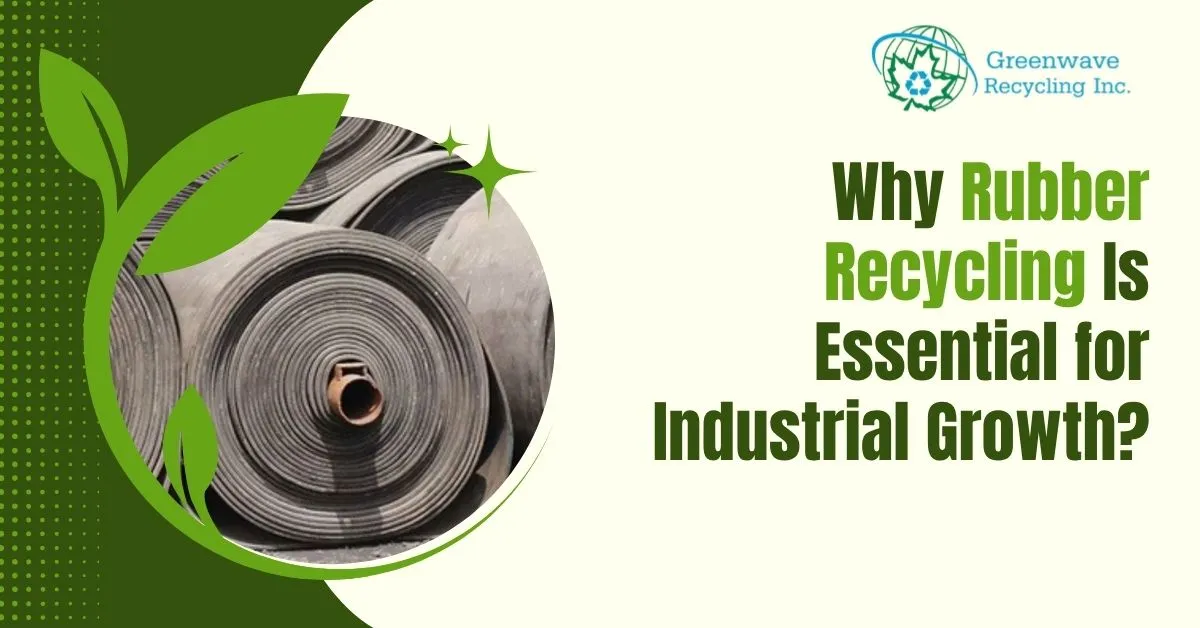
Rubber Recycling Canada
Businesses throughout Canada are increasingly adopting sustainable recycling programs to manage industrial rubber waste responsibly. Recovering materials such as conveyor belts, rubber scrap, hoses, seals, and moulded components helps reduce landfill waste while supporting resource conservation. Through effective Rubber Recycling, organizations can improve material recovery, strengthen environmental performance, and contribute to circular economy initiatives. Responsible recycling solutions also help businesses improve operational efficiency, support sustainability goals, and create long-term value from recoverable rubber materials.
Rubber Recycling Equipment
Specialized equipment plays an important role in recovering industrial rubber materials efficiently and safely. Modern recycling systems use advanced machinery to sort, process, and prepare rubber waste for reuse in future applications. By supporting Rubber Recycling, these technologies improve resource recovery, reduce landfill waste, and enhance operational efficiency across industrial sectors. Businesses investing in responsible recycling solutions can strengthen sustainability initiatives while maximizing the value of recoverable rubber materials through effective processing and environmentally responsible practices.
Rubber Recycling Industry
The rubber recycling industry plays an essential role in helping businesses recover valuable materials while reducing environmental impact. Industrial sectors rely on responsible recycling solutions to divert rubber waste from landfill and support sustainable manufacturing practices. By implementing Rubber Recycling, organizations improve resource efficiency, recover reusable materials, and contribute to circular economy objectives. Continued investment in recycling innovation strengthens environmental performance, improves waste management practices, and supports long-term industrial sustainability through responsible resource recovery.
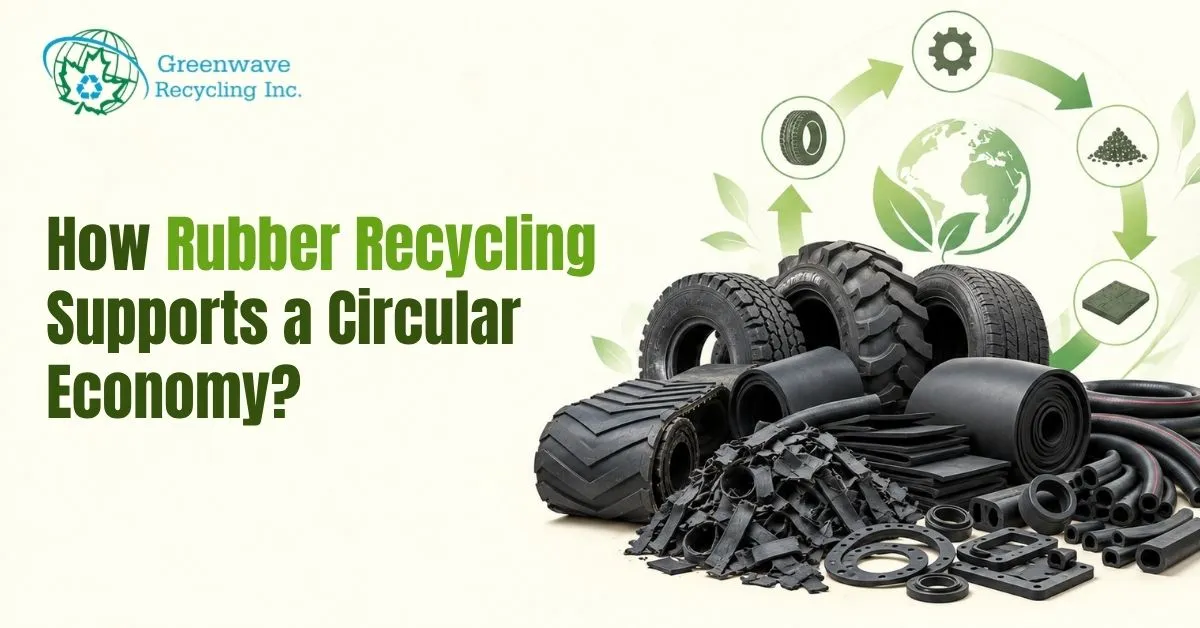
Rubber Recycling Machine
A rubber recycling machine can support the processing and preparation of suitable rubber materials for recovery and further use. Equipment requirements vary according to material type, size, condition, volume, and desired processing outcome. Effective Rubber Recycling combines appropriate machinery with proper collection, sorting, and handling procedures to improve material recovery. This tag explores recycling machinery, processing considerations, equipment functions, and industrial recovery practices that can help businesses manage rubber waste more efficiently while supporting resource conservation and sustainable operations.
Rubber Recycling Prices
Rubber recycling costs can vary depending on material type, collection requirements, processing methods, and transportation needs. Understanding these factors helps businesses plan efficient recycling programs while improving resource recovery and reducing landfill waste. Through responsible Rubber Recycling, organizations can maximize the value of recoverable materials while supporting sustainable manufacturing and circular economy initiatives. Evaluating recycling solutions based on operational requirements enables businesses to improve environmental performance, strengthen waste management strategies, and achieve long-term sustainability objectives.
Rubber Recycling Process
Recovering rubber materials through a structured recycling system helps businesses reduce waste and improve resource efficiency. The recycling process typically includes collection, inspection, sorting, processing, and preparation for downstream reuse, ensuring valuable materials remain in productive use instead of being discarded. By supporting circular economy principles, Rubber Recycling enables manufacturers, construction companies, mining operations, and other industries to minimize landfill contributions while recovering reusable resources. Implementing responsible recycling practices also strengthens environmental performance, supports sustainability goals, and creates long-term value through efficient material recovery.
Rubber Recycling Products
Recovered rubber can be processed into materials and products suitable for a range of applications, depending on the composition and processing method. Recycling helps keep useful rubber resources in circulation rather than sending them directly to landfill. Through Rubber Recycling, businesses can support the recovery of industrial rubber and end-of-life materials while contributing to resource conservation. This tag explores recycled rubber products, potential applications, material recovery, and sustainable resource management practices that help organizations make better use of recovered materials.
Rubber Scrap Recycling
Rubber scrap recycling is the process of converting waste rubber into reusable raw materials for industrial use. In Canada, Rubber Scap Recycling supports sustainable manufacturing, lowers carbon footprint, reduces disposal costs, and helps industries comply with environmental regulations while promoting responsible waste management.
Rubber Tire Recycling
Discarded tires represent a significant source of recoverable material when managed through responsible recycling programs. Proper collection, sorting, and processing allow valuable rubber resources to be reused in new applications rather than occupying landfill space. Supporting sustainable waste management initiatives, Rubber Recycling helps businesses and industries recover materials, reduce environmental impact, and contribute to circular economy objectives. Adopting responsible tire recycling practices also improves resource conservation, strengthens environmental performance, and supports long-term sustainability efforts while reducing reliance on virgin raw materials.
Rubber Waste Management
Rubber waste management focuses on handling industrial waste through structured recycling systems and processes. It helps reduce environmental impact and improve efficiency in production. Manufacturers achieve better resource utilization and sustainability. Using rubber recycling ensures long-term performance and operational stability.
Save Energy with Paper Recycling
Choosing to recycle paper instead of producing new materials from raw resources significantly reduces energy consumption throughout manufacturing processes. Paper recycling saves energy by eliminating the need for intensive pulping, chemical treatment, and logging required to create virgin paper. With more efficient processing and reduced machinery usage, recycling lowers operational costs and decreases emissions across industrial supply chains. Businesses that implement strong paper recycling programs can reduce electricity usage, extend the lifespan of equipment, and lessen their environmental footprint. Saving energy with paper recycling also supports sustainability objectives and aligns with corporate ESG goals, demonstrating measurable reductions in carbon impact. As industries face rising energy costs and stricter green regulations, energy-efficient recycling practices provide both financial and environmental advantages. By prioritizing recycled fibre in production, companies boost material recovery, reduce waste, and promote responsible resource conservation for long-term growth.
Scrap Recycle
Scrap Recycle practices help manufacturers and industrial businesses manage suitable discarded materials through organized recovery systems. Proper collection and segregation can improve material quality, reduce contamination, and create better opportunities for downstream processing. By incorporating Plastic Recycling into broader waste management strategies, organizations can recover valuable post-industrial materials and reduce unnecessary disposal. This tag covers practical approaches to scrap recovery, including material identification, collection procedures, processing considerations, and sustainability-focused practices that support efficient resource management.
Scrap Recycling Business
Manufacturers can improve material recovery by treating production scrap as a valuable resource rather than simply a disposal challenge. A structured Scrap Recycling Business approach supports the collection, segregation, and processing of suitable industrial materials generated during routine operations. Through Plastic Recycling, businesses can reduce production waste, improve resource efficiency, and support more responsible material management. This tag explores practical recycling considerations that help manufacturers manage recurring scrap streams, strengthen sustainability initiatives, and contribute to circular economy objectives through recovery practices.
Scrap Tire Recycling
Scrap tire recycling plays an important role in handling waste materials from manufacturing processes. It helps reduce landfill waste and improve operational efficiency. Industries benefit from better material reuse and cost savings. Using Tire recycling supports long-term industrial growth and sustainability.
Sustainability Paper Recycling
Sustainability in paper recycling is a core component of responsible waste management, enabling businesses and communities to reduce environmental impact while supporting long-term resource conservation. Recycling promotes sustainability by decreasing deforestation, reducing carbon emissions, and minimizing landfill waste. Sustainable paper recycling aligns with green business priorities, encouraging circular material use and improving recycling rates throughout industrial and commercial sectors. Companies integrating sustainability-focused recycling strategies gain stronger ESG reporting, improved stakeholder trust, and enhanced supply chain performance. Sustainable recycling practices ensure that recovered fibre is continuously reused, reducing dependence on virgin paper production and preserving natural resources. With increasing demand for environmentally conscious products and greener manufacturing standards, sustainability in paper recycling delivers both economic and ecological benefits. By prioritizing sustainable material management, organizations actively contribute to environmental protection and a more resilient recycling ecosystem.
Sustainable Gloves
Sustainable gloves focus on reducing the environmental impact of disposable glove use through recycling, reuse, and responsible waste practices. This tag covers sustainability-driven glove management strategies, eco-conscious recycling solutions, and approaches that help organizations lower waste volumes and improve ESG performance.
Sustainable Hospital Waste Management
Sustainable hospital waste management emphasizes reducing environmental impact while maintaining patient safety and regulatory compliance. This tag explores waste reduction strategies, recycling programs, and sustainable disposal practices that help hospitals manage waste more efficiently. It highlights how sustainability-driven waste management supports ESG goals and long-term healthcare resilience.
Sustainable Recycling for Industries
Sustainable recycling for industries emphasizes eco-friendly waste management practices that transform operational by-products into valuable materials. By recycling paper, plastic, and packaging waste efficiently, businesses can reduce their carbon footprint and support circular economy objectives. Industrial facilities that integrate sustainability-driven recycling systems benefit from reduced disposal costs, improved material recovery rates, and compliance with Canadian environmental regulations. Sustainability programs also strengthen corporate social responsibility (CSR) and ESG performance metrics, appealing to environmentally conscious clients and partners. From waste audits to closed-loop recycling processes, every step contributes to a cleaner and more efficient production model. Implementing sustainable recycling solutions is not only a regulatory requirement but also a smart investment for long-term operational excellence and brand credibility.
Tactical Gloves Recycle Rust
Tactical gloves exposed to harsh environments may become damaged, contaminated, or degraded over time. When gloves can no longer provide adequate protection, proper disposal and Gloves Recycling should be considered. While some tactical gloves contain mixed materials that may limit recyclability, certified Gloves Recycling services can assess components and recover suitable materials. Recycling worn tactical gloves reduces environmental impact, prevents unnecessary landfill waste, and supports sustainable material management practices. Responsible disposal ensures compliance with safety regulations and promotes eco-friendly waste solutions.
Tire and Rubber Recycling
Tire and rubber recycling focuses on recovering useful materials from tires and other rubber products that have reached the end of their original service life. Effective collection and processing can help reduce landfill waste while keeping suitable materials within the resource cycle. Through Rubber Recycling, businesses can improve material recovery, strengthen waste management, and support circular economy initiatives. This tag covers recycling practices, recovery opportunities, sustainability considerations, and responsible approaches to managing industrial rubber and end-of-life tire materials more efficiently.
Tire Recycling
Tire recycling helps manufacturers manage scrap tires efficiently through structured systems and advanced processes. It reduces waste and improves resource utilization across production units. Industries benefit from lower costs and improved operational performance. Using Tire recycling supports long-term sustainability and environmental responsibility.
Tire Recycling Ideas
Creative tire recycling solutions help businesses recover valuable rubber materials while reducing environmental impact and improving resource efficiency. Recovering end-of-life tires through structured recycling programs supports responsible material management and reduces landfill dependency. By integrating Rubber Recycling into sustainability strategies, organizations can improve waste recovery, conserve valuable resources, and strengthen circular economy initiatives. Adopting innovative recycling ideas also helps businesses improve environmental performance while creating long-term value through responsible tire material recovery.
Tire Recycling in Canada
Across Canada, businesses are placing greater emphasis on recovering end-of-life tires through responsible recycling initiatives that reduce environmental impact and conserve valuable resources. Well-managed tire recycling programs improve material recovery while supporting waste diversion and circular economy objectives. Through efficient collection, processing, and reuse, Rubber Recycling helps organizations reduce landfill dependence, strengthen sustainability performance, and improve operational efficiency. Investing in responsible tire recycling practices also supports long-term environmental stewardship while maximizing the value of recoverable rubber materials.
Tire Rubber Recycling
Managing end-of-life tires responsibly helps businesses reduce landfill waste while supporting more efficient resource use. Recovering rubber materials through structured recycling programs allows valuable resources to remain in productive use instead of being discarded. By transforming used tires into reusable materials, Rubber Recycling supports circular economy initiatives, improves environmental performance, and reduces dependence on virgin resources. Organizations that adopt responsible tire recovery practices can strengthen sustainability efforts, improve waste management efficiency, and contribute to long-term resource conservation across industrial and commercial sectors.
Types Of Plastic Recycling
Different types of plastic require specific recovery methods to maximize material value and improve sustainability. Understanding the various approaches to Plastic Recycling helps businesses identify suitable solutions for LDPE, HDPE, PP, and other post-industrial plastics. This tag explores mechanical recycling, material recovery processes, sorting techniques, and industrial recycling practices that support landfill diversion and circular economy initiatives. Learn how effective recycling strategies help organizations conserve resources, reduce waste, and strengthen sustainable manufacturing across Canada.
Waste in Healthcare
Waste in healthcare includes materials such as gloves, masks, and single-use medical supplies used daily in hospitals and clinics. Managing this waste is essential for both safety and environmental sustainability. By introducing Gloves Recycling, healthcare facilities in Canada can reduce the amount of waste sent to landfills and improve overall waste management practices. A structured approach to handling healthcare waste helps organizations maintain compliance and support long-term sustainability goals.
Waste Management Medical Waste
Medical waste management involves the safe handling, treatment, and recycling of waste generated by hospitals, clinics, and laboratories. This includes PPE, syringes, plastic packaging, and other medical materials. Proper waste management prevents disease spread, reduces environmental damage, and ensures compliance with health and environmental laws while promoting a cleaner and more sustainable healthcare system.
Waste Recycling Ideas
Waste recycling ideas include reusing packaging, sorting waste at the source, composting organic materials, and recycling plastics, paper, and metals. Businesses can adopt recycling programs, use recycled products, and reduce single-use materials. These simple yet effective ideas help lower waste generation, reduce environmental impact, and promote a sustainable future.
Waste Recycling Method
Waste recycling methods involve collecting, separating, cleaning, and processing waste materials so they can be reused instead of discarded. These methods include mechanical recycling, chemical treatment, and thermal processing, depending on the waste type. Recycling reduces pollution, conserves natural resources, lowers disposal costs, and supports a circular economy where materials stay in continuous use.
What Is LDPE and HDPE
What Is LDPE and HDPE is a useful starting point for understanding two widely used polyethylene plastics and their recycling characteristics. HDPE is a rigid material identified by resin code #2, while LDPE carries resin code #4 and is generally softer and more flexible. Their differences affect common applications, collection, sorting, processing, and recycling requirements. This tag explains their basic properties, examples, recycling codes, and material recovery considerations within Plastic Recycling. It also helps businesses understand why rigid HDPE and flexible LDPE may require different approaches when managing plastic waste and planning responsible recycling programs effectively.
Zero Plastic Waste Initiative
Zero plastic waste initiatives focus on reducing plastic use and improving recycling efforts across different sectors. In healthcare, disposable gloves contribute significantly to plastic waste. By adopting Gloves Recycling, organizations can reduce this impact and support more sustainable operations. These initiatives encourage responsible waste management and help healthcare facilities move towards environmentally friendly practices while maintaining safety standards.
Zero Waste Canada
Zero Waste Canada focuses on reducing waste and promoting sustainable practices across industries. Healthcare facilities play an important role in supporting these initiatives by managing medical waste responsibly. Implementing Gloves Recycling helps reduce plastic waste and contributes to national sustainability targets. By adopting recycling programs and improving waste handling practices, organizations can align with zero waste goals and reduce their environmental footprint across Canada.
Zero Waste Edmonton
Zero Waste Edmonton initiatives aim to reduce waste and encourage recycling practices within the city. Healthcare facilities can support these efforts by improving how medical waste is handled and disposed of. Introducing Gloves Recycling helps reduce the volume of waste sent to landfills and supports local sustainability goals. By focusing on proper waste segregation and recycling, organizations in Edmonton can contribute to a cleaner and more environmentally responsible community.
