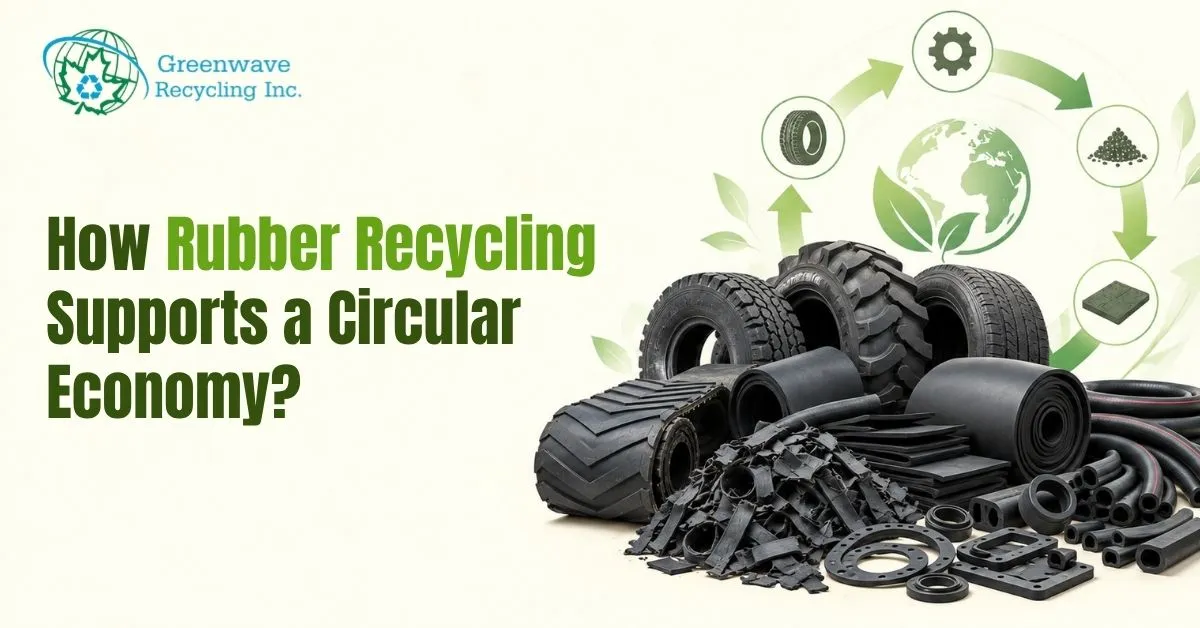

Rubber products are essential across manufacturing, mining, construction, transportation, and logistics. Conveyor belts, hoses, seals,…
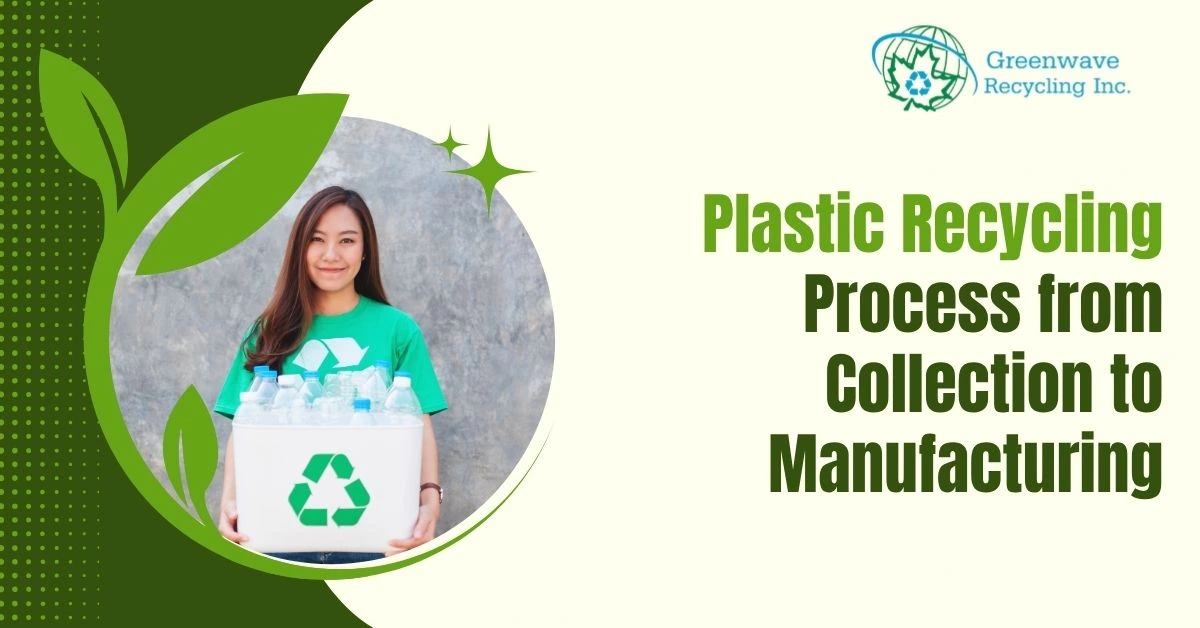
Plastic waste has become one of the most significant environmental challenges for industries worldwide. Manufacturing facilities, packaging companies, warehouses, and industrial businesses generate large quantities of plastic waste every day. When these materials are disposed of instead of recovered, valuable resources are lost and additional pressure is placed on landfill sites. Implementing an effective Plastic Recycling process enables businesses to recover post-industrial plastics, reduce waste, and transform discarded materials into reusable raw resources that support sustainable manufacturing.
Understanding how plastic moves from collection to manufacturing helps organizations recognize the value of recycling and its contribution to a circular economy. Every stage of the recycling process plays an important role in improving resource efficiency while reducing environmental impact.
Why Plastic Recycling Matters?
Businesses across Canada continue to generate significant amounts of recyclable plastics through manufacturing, packaging, and distribution activities. Rather than treating these materials as waste, organizations are increasingly adopting Plastic Recycling programs that recover valuable plastics for future use.
Recycling plastic helps businesses:
- Reduce landfill waste
- Recover valuable materials
- Improve sustainability performance
- Support resource conservation
- Strengthen circular economy initiatives
These environmental and operational benefits make plastic recycling an essential part of responsible industrial waste management.
| Recycling Stage | Purpose |
| Collection | Gather recyclable plastic materials from businesses |
| Sorting | Separate plastics based on material type |
| Processing | Prepare plastics for recycling |
| Manufacturing | Convert recycled materials into reusable raw resources |
| Reuse | Support sustainable manufacturing and circular economy |
Collection of Plastic Waste
The first stage of the recycling journey begins with the collection of recyclable plastic materials. Manufacturing facilities, warehouses, packaging companies, and industrial businesses generate various forms of plastic waste that can be recovered instead of being sent to landfill.
Common recyclable materials include:
- LDPE films
- HDPE containers
- PP plastics
- Plastic packaging materials
- Industrial plastic scrap
- Production off-cuts
Proper collection systems help improve the quality of recyclable materials while reducing contamination before processing begins.
Sorting and Material Identification
Once collected, plastic materials are sorted according to their composition and recycling requirements. Different plastic materials require different processing methods to maximize recovery and maintain material quality.
Accurate sorting during Plastic Recycling helps businesses:
- Improve material recovery
- Reduce contamination
- Increase recycling efficiency
- Support higher-quality recycled materials
Efficient sorting also allows recycling facilities to process plastics more effectively while supporting sustainable manufacturing.
Cleaning and Processing Plastic Materials
Before plastics can be reused, contaminants such as labels, dirt, adhesives, and other unwanted materials must be removed. Clean materials improve processing efficiency and produce higher-quality recycled products.
Processing generally includes:
- Cleaning
- Shredding
- Size reduction
- Material preparation
These steps ensure recyclable plastics are suitable for the next stage of manufacturing while minimizing waste throughout the recovery process.
Transforming Plastic into Reusable Raw Materials
After processing, recovered plastic is prepared for reuse in manufacturing applications. Rather than relying entirely on virgin plastics, manufacturers can incorporate recycled materials into new products, reducing resource consumption and improving sustainability.
Through Plastic Recycling, recovered materials support:
- Sustainable manufacturing
- Resource conservation
- Reduced material waste
- Circular economy initiatives
- Long-term environmental responsibility
Recovering reusable raw materials creates long-term value while reducing the demand for newly produced plastics.
Looking to improve sustainability through responsible Plastic Recycling? Contact Us to learn how Greenwave Recycling can support your recycling goals.
Supporting Sustainable Manufacturing
Manufacturers are increasingly incorporating recycled materials into production to reduce environmental impact and improve operational efficiency. Using recovered plastics helps businesses reduce waste while supporting more responsible manufacturing practices.
Benefits include:
- Lower resource consumption
- Improved material efficiency
- Reduced waste generation
- Better sustainability performance
- Enhanced environmental responsibility
These improvements contribute to stronger sustainability initiatives while supporting long-term business growth.
Reducing Landfill Waste Through Plastic Recycling
Every tonne of plastic recovered through responsible recycling reduces the amount of waste sent to landfill. Landfill diversion is becoming an important objective for businesses seeking to improve environmental performance and meet sustainability commitments.
Recovering recyclable plastics through Plastic Recycling helps organizations:
- Improve landfill diversion
- Recover valuable resources
- Reduce environmental impact
- Strengthen waste management practices
- Support sustainable operations
Reducing landfill dependency also contributes to cleaner communities and more responsible resource management.
The Role of Plastic Recycling in the Circular Economy
A circular economy focuses on recovering valuable materials so they remain in productive use rather than becoming waste. Plastic Recycling is one of the most effective ways to achieve this objective by extending the lifecycle of plastic materials.
By recovering plastics instead of disposing of them, businesses can:
- Improve resource efficiency
- Reduce reliance on virgin materials
- Support sustainable manufacturing
- Maximize material recovery
- Promote responsible environmental practices
These efforts help create a more sustainable industrial ecosystem where materials continue delivering value throughout multiple lifecycles.
Choosing a Reliable Plastic Recycling Partner
An effective recycling program depends on selecting a recycling partner with experience in industrial material recovery and sustainable waste management. Choosing a provider with expertise in Plastic Recycling ensures businesses benefit from efficient resource recovery, responsible processing, and reliable environmental practices.
When choosing a provider, businesses should consider:
- Industry expertise
- Nationwide collection capabilities
- Responsible recycling practices
- Material recovery processes
- Environmental compliance
- Efficient logistics
Working with an experienced recycling partner helps organizations maximize recovery rates while supporting sustainability objectives.
How Greenwave Supports Plastic Recycling?
Greenwave Recycling provides reliable Plastic Recycling solutions across Canada, helping businesses recover post-industrial plastic materials through responsible collection, processing, and resource recovery.
Its services support:
- LDPE recycling
- HDPE recycling
- PP plastic recycling
- Industrial plastic scrap recovery
- Material recovery
- Circular economy initiatives
Through efficient logistics and environmentally responsible recycling practices, Greenwave helps businesses transform plastic waste into reusable raw materials while supporting long-term sustainability goals.
Frequently Asked Questions
The Plastic Recycling process includes collection, sorting, cleaning, processing, and manufacturing recycled materials into reusable raw resources.
Sorting separates different plastic materials, improves recovery rates, reduces contamination, and produces higher-quality recycled materials.
Many post-industrial plastics, including LDPE, HDPE, PP, packaging materials, and industrial plastic scrap, can be recycled.
Recovered plastic materials reduce the need for virgin plastics while improving resource efficiency and reducing environmental impact.
Plastic Recycling helps reduce landfill waste, recover valuable materials, improve sustainability performance, and support circular economy initiatives.
Conclusion
Recovering valuable plastic materials through an efficient recycling process helps businesses reduce landfill waste, improve resource efficiency, and support sustainable manufacturing. By implementing Plastic Recycling programs, organizations can transform post-industrial plastics into reusable raw materials while strengthening environmental performance and contributing to Canada’s circular economy. Responsible recycling not only conserves resources but also creates long-term value for businesses committed to sustainable growth.
Related Posts