
Paper waste is generated every day across offices, warehouses, manufacturing facilities, retail operations, and other…
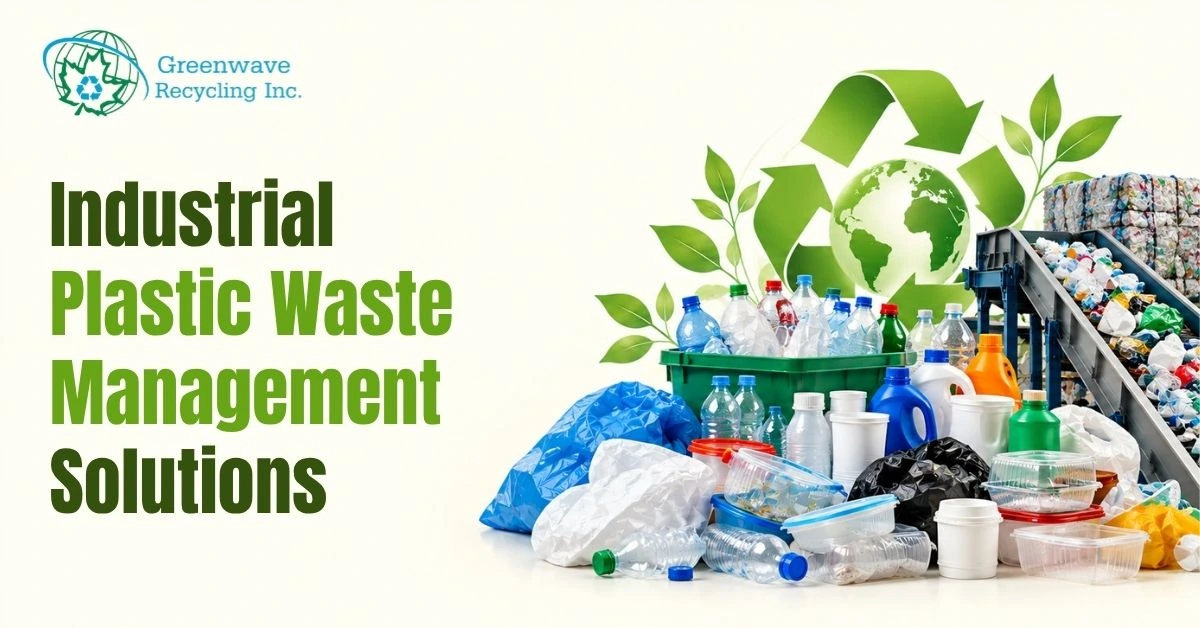
Industrial operations can generate substantial quantities of plastic waste through manufacturing, packaging, production processes, maintenance activities, and material handling. When recyclable plastics are mixed with general waste, valuable materials may be lost and disposal volumes can increase. A structured approach to Plastic Recycling can help businesses recover suitable materials while improving overall waste management.
Understanding Industrial Plastic Waste
Industrial plastic waste can come in different forms, including production scrap, packaging films, containers, plastic components, and other post-industrial materials. Each material may have different properties and processing requirements.
Identifying plastic types at the source is an important first step. Proper segregation can prevent contamination and help businesses direct suitable materials toward the right Plastic Recycling and recovery pathway.
Why Plastic Waste Management Matters?
Unmanaged plastic waste can create challenges related to storage, collection, disposal, and resource utilisation. Businesses that generate large volumes of plastic can benefit from organised systems that separate recoverable materials from general waste.
Effective Plastic Recycling can help reduce the amount of suitable plastic sent for disposal while allowing valuable materials to remain within productive use. It can also support more efficient handling of industrial waste streams.
Key Industrial Plastic Waste Management Solutions
Businesses can adopt several practical measures, including Plastic Recycling, to improve plastic waste management and support more effective material recovery:
- Source segregation: Separate plastic waste according to material type and condition.
- Dedicated collection: Use clearly identified containers for recyclable plastic streams.
- Contamination control: Keep plastics free from materials that can interfere with recovery.
- Material sorting: Organise plastics according to their characteristics and recycling requirements.
- Responsible processing: Direct suitable materials to appropriate recycling and recovery facilities.
- Performance monitoring: Track material volumes and recovery results to identify improvements.
These measures can help create a more consistent system for managing plastic generated during industrial operations.
Looking to improve industrial plastic waste recovery and reduce disposal? Contact Us to explore responsible Plastic Recycling solutions for your business.
Supporting Plastic Material Recovery
Recovery begins with collecting suitable materials before they become mixed with general waste. Properly sorted plastic scrap can be easier to process and may have greater value as a recovered resource.
Through Plastic Material Recovery, businesses can redirect suitable production scrap, packaging materials, and other industrial plastics toward processing and potential reuse. The actual recovery pathway depends on factors such as plastic type, contamination, condition, and available processing infrastructure.
Benefits for Manufacturing Operations
Manufacturers can benefit from integrating recycling into their existing waste management procedures. Recovering suitable materials can reduce disposal volumes and improve the utilisation of resources already present within the operation.
A Post-Industrial Plastic Recycling can also provide a structured pathway for handling production-related plastic scrap. Instead of treating every discarded plastic material as waste, businesses can identify materials that may have recovery potential and manage them accordingly.
Supporting Sustainable Industrial Operations
Sustainability efforts are increasingly connected to how businesses manage materials throughout their operational lifecycle. Reducing waste and recovering usable resources can form part of a broader environmental management strategy.
A well-organised Plastic Recycling programme can support resource efficiency, waste reduction, and more responsible material management. These practices can also contribute to circular economy objectives by keeping suitable plastics in productive use for longer.
Choosing a Plastic Recycling Partner
An effective industrial recycling programme depends on a recycling partner that understands different plastic waste streams and their processing requirements. For businesses considering Plastic Recycling, choosing a provider with suitable capabilities can make material recovery more organised and consistent.
Businesses should consider:
- Experience with industrial plastic waste
- Collection and logistics capabilities
- Material sorting and recovery processes
- Appropriate processing infrastructure
- Contamination management
- Transparent material handling practices
Working with a suitable recycling provider can help businesses establish a more reliable recovery pathway for their plastic waste.
Frequently Asked Questions
Industrial plastic waste management involves the collection, segregation, handling, recovery, recycling, and appropriate disposal of plastic materials generated through industrial operations.
Plastic Recycling can help manufacturers recover suitable materials, reduce disposal volumes, improve resource efficiency, and support more responsible waste management practices.
Suitable materials can include production scrap, packaging plastics, containers, films, and other plastic materials, depending on their composition, condition, contamination, and available processing systems.
Source segregation helps prevent recyclable plastics from becoming contaminated with general waste and makes subsequent sorting and processing more efficient.
Businesses can improve recovery by identifying plastic streams, separating materials at the source, controlling contamination, monitoring waste volumes, and working with an experienced recycling partner.
Conclusion
Industrial plastic waste does not have to be treated solely as a disposal problem. With proper segregation, collection, sorting, and processing, suitable materials can be recovered and directed toward productive applications. A structured Plastic Recycling programme can help businesses reduce waste, improve resource efficiency, and support more sustainable industrial waste management.
Related Posts