
Manufacturers today are facing increasing pressure to manage plastic waste efficiently while maintaining productivity and…
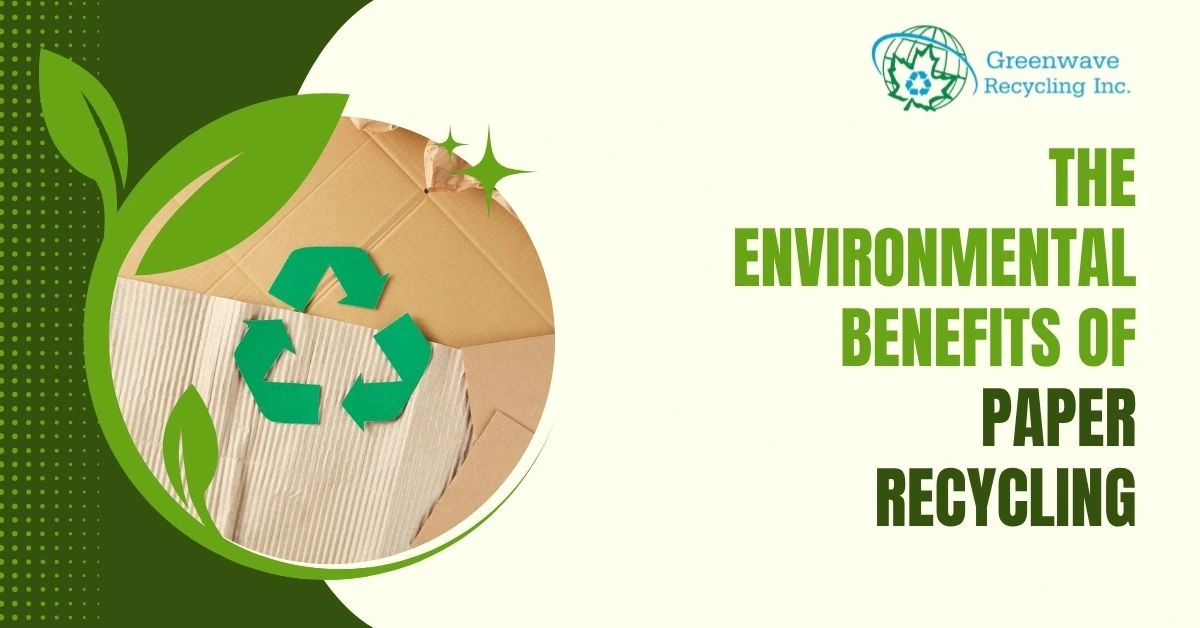
Paper products are used every day in homes, offices, retail stores, warehouses, and manufacturing facilities. From cardboard packaging and newspapers to office documents and paperboard products, paper remains one of the most widely consumed materials worldwide. While paper is often considered a renewable resource, the increasing demand for paper products continues to put pressure on forests, water supplies, and energy resources.
Growing environmental concerns have made sustainable waste management more important than ever. One of the most effective ways to reduce the environmental impact of paper consumption is through responsible recycling practices. By recovering and reusing paper fibers, Paper Recycling helps conserve natural resources, reduce pollution, and minimize the amount of waste sent to landfills. Understanding its environmental benefits highlights why recycling remains a critical part of creating a more sustainable future.
What Is Paper Recycling?
Used paper does not have to become waste after a single use. Instead, it can be collected, processed, and transformed into new products that serve the same purpose while reducing the need for virgin materials. Through Paper Recycling, discarded paper is converted into reusable raw material, helping reduce environmental strain and supporting sustainable resource management.
The recycling process involves collecting paper waste, sorting it by grade, removing contaminants, converting it into pulp, and manufacturing new paper products. This process allows paper fibers to be reused multiple times, reducing the demand for fresh wood pulp and helping preserve valuable natural resources.
Common Types of Recyclable Paper
- Office paper
- Corrugated cardboard
- Newspapers
- Magazines
- Paperboard packaging
- Paper rolls
- Packaging materials
How Paper Recycling Helps Conserve Forests?
Forests play a vital role in maintaining environmental balance by absorbing carbon dioxide, producing oxygen, regulating climate patterns, and providing habitats for countless species. However, increasing paper consumption continues to drive demand for timber and wood pulp. By supporting Paper Recycling, communities and industries can significantly reduce the need for harvesting trees while helping protect natural ecosystems.
When recycled fibers are used to manufacture new paper products, fewer raw materials are required from forests. This reduction in demand helps preserve woodland areas, protect biodiversity, and promote sustainable forestry practices. Conserving forests also supports healthier ecosystems that can continue providing essential environmental benefits for future generations.
Reducing Tree Harvesting
The production of virgin paper relies heavily on wood pulp sourced from forests. Recycling helps reduce this dependency by extending the life cycle of existing paper fibers. As more paper products are recycled, fewer trees need to be harvested, helping maintain forest cover and supporting long-term ecological sustainability.
Protecting Wildlife Habitats
Forests provide shelter, food, and breeding grounds for numerous plant and animal species. Reduced deforestation means less habitat destruction and greater protection for wildlife populations. Recycling paper indirectly supports biodiversity conservation by helping preserve these valuable natural environments.
Supporting Biodiversity Conservation
Healthy forests support diverse ecosystems that depend on stable environmental conditions. By reducing the demand for virgin paper production, recycling helps protect plant and animal species that rely on forest habitats. This contributes to long-term ecological sustainability and environmental protection.
Preserving Natural Carbon Sinks
Forests act as natural carbon sinks by absorbing carbon dioxide from the atmosphere. Protecting forested areas through increased recycling efforts helps maintain this important environmental function. Stronger carbon absorption capacity supports climate regulation and helps combat global warming.
How Paper Recycling Reduces Landfill Waste?
Managing growing volumes of waste has become a major environmental challenge across the world. Paper products account for a significant portion of municipal and commercial waste streams, making proper disposal practices increasingly important. Through Paper Recycling, large quantities of paper waste can be diverted away from landfills and returned to productive use.
Reducing the amount of paper sent to landfills helps decrease environmental pollution while extending the operational lifespan of waste disposal facilities. Recycling also reduces the need for additional landfill space, which can require significant land resources and environmental disruption.
Reducing Waste Accumulation
Paper materials that are recycled remain part of the production cycle rather than becoming waste. This approach reduces overall waste accumulation and promotes more efficient use of available resources.
Lowering Methane Emissions
When paper decomposes in landfills under low-oxygen conditions, it can produce methane gas. Methane is a powerful greenhouse gas that contributes significantly to climate change. Recycling paper helps reduce landfill decomposition and lowers methane emissions associated with waste disposal.
Extending Landfill Lifespan
Landfills have limited capacity and require substantial land resources for expansion. Recycling paper reduces the volume of waste entering disposal facilities, helping extend their operational lifespan. This reduces the need for new landfill sites and minimizes environmental disruption.
How Paper Recycling Saves Water Resources?
Freshwater resources are becoming increasingly valuable as industries and communities face growing water demands. Traditional paper manufacturing requires large amounts of water throughout the pulping, washing, and production stages. By incorporating Paper Recycling into manufacturing processes, water consumption can be significantly reduced while maintaining product quality.
Water conservation is essential for environmental sustainability because freshwater supplies support ecosystems, agriculture, industry, and human populations. Reducing industrial water usage helps preserve these resources and minimizes pressure on local water systems.
Lower Water Consumption
Producing recycled paper generally requires less water than manufacturing paper from virgin wood pulp. This reduction in water demand contributes to more efficient resource management and helps conserve freshwater supplies.
Supporting Sustainable Water Use
Conserving water through recycling practices benefits both businesses and the environment. Lower water consumption reduces strain on treatment facilities and supports long-term sustainability efforts.
Water Usage in Virgin Paper Production
Manufacturing paper from raw wood pulp involves extensive processing that requires significant amounts of water. This can place additional pressure on freshwater resources and local ecosystems. Reducing reliance on virgin materials helps lower industrial water demand.
Looking for reliable and sustainable Paper Recycling solutions? Contact Us today for reduce paper waste and support a greener future.
How Paper Recycling Reduces Energy Consumption?
Energy production remains one of the largest contributors to environmental pollution and greenhouse gas emissions. Manufacturing paper from raw materials requires substantial energy for harvesting, transportation, processing, and production. By utilizing Paper Recycling, industries can reduce the amount of energy required to create new paper products.
Lower energy consumption helps decrease dependence on fossil fuels while reducing the environmental impact associated with industrial manufacturing. Energy-efficient production methods are becoming increasingly important as organizations work toward sustainability goals.
Reduced Manufacturing Requirements
Since recycled paper fibers have already undergone initial processing, fewer manufacturing steps are required to convert them into usable products. This results in lower energy consumption throughout the production cycle.
Supporting Sustainable Production
Reduced energy demand contributes to cleaner production processes and improved environmental performance. It also helps conserve valuable energy resources that can be used more efficiently elsewhere.
How Paper Recycling Lowers Carbon Emissions?
Climate change remains one of the most pressing environmental issues facing the world today. Industrial activities, transportation, and waste disposal all contribute to greenhouse gas emissions that affect global temperatures. Through Paper Recycling, organizations and consumers can help reduce the carbon footprint associated with paper production and disposal.
Lower emissions are achieved through reduced energy consumption, decreased demand for virgin raw materials, and fewer paper products decomposing in landfills. These combined benefits make recycling an important strategy for climate action and environmental protection.
Reducing Greenhouse Gas Emissions
Recycling paper requires fewer resources and less energy than producing paper from raw materials. This reduction helps lower carbon dioxide emissions generated during manufacturing processes.
Supporting Climate Change Mitigation
Every recycled paper product contributes to broader efforts aimed at reducing environmental impact. Increased recycling participation can help support long-term climate goals and sustainability initiatives.
Limiting Industrial Carbon Footprints
Industrial activities generate significant carbon emissions during production and transportation. Using recycled materials helps reduce these emissions by minimizing resource extraction and processing requirements. This supports efforts to lower overall industrial carbon footprints.
Environmental Benefits of Paper Recycling
| Environmental Area | Benefit |
| Forest Conservation | Reduces demand for virgin wood pulp |
| Wildlife Protection | Helps preserve natural habitats |
| Landfill Reduction | Diverts waste from disposal sites |
| Water Conservation | Lowers water consumption during production |
| Energy Savings | Requires less energy than virgin paper manufacturing |
| Carbon Reduction | Helps reduce greenhouse gas emissions |
| Resource Efficiency | Supports circular economy initiatives |
| Sustainability | Promotes responsible resource management |
The Future of Paper Recycling and Sustainability
Environmental awareness continues to grow among consumers, businesses, and governments worldwide. As sustainability becomes a higher priority, investments in recycling technologies and waste management infrastructure are increasing. The ongoing development of Paper Recycling systems is expected to improve recovery rates, enhance processing efficiency, and expand the range of recyclable materials.
Growing demand for recycled paper products is encouraging industries to adopt more sustainable practices and reduce reliance on virgin resources. As technological innovations continue to improve recycling capabilities, paper recycling will remain a key solution for reducing environmental impact and supporting long-term sustainability goals.
Frequently Asked Questions
Paper recycling helps reduce landfill waste, conserve forests, save water and energy, lower greenhouse gas emissions, and support sustainable resource management. These benefits make recycling an important part of environmental conservation efforts.
Recycling paper reduces the demand for virgin wood pulp used in paper manufacturing. This helps decrease tree harvesting, preserve forest ecosystems, and protect wildlife habitats that depend on healthy forests.
Paper recycling reduces the environmental impact of paper production by conserving natural resources and minimizing waste. It also helps lower pollution levels and supports long-term sustainability goals.
Yes. Recycling paper requires less energy than producing paper from raw materials, which helps reduce greenhouse gas emissions. It also decreases methane emissions from paper waste that would otherwise decompose in landfills.
Instead of being discarded, recyclable paper is collected and processed into new products. This reduces the amount of waste sent to landfills and helps extend the lifespan of waste disposal facilities.
Conclusion
As environmental challenges continue to grow, finding practical ways to reduce waste and conserve natural resources has become more important than ever. Throughout its lifecycle, Paper Recycling helps minimize environmental impact by reducing landfill waste, conserving forests, saving water and energy, and lowering greenhouse gas emissions. These benefits make recycling one of the most effective strategies for supporting environmental sustainability and responsible resource management.
Beyond waste reduction, paper recycling plays a key role in creating a circular economy where materials remain in use for longer periods instead of being discarded after a single use. By choosing recycled paper products and participating in recycling programs, individuals and businesses can contribute to a cleaner environment, protect valuable natural resources, and help build a more sustainable future for generations to come.
Related Posts