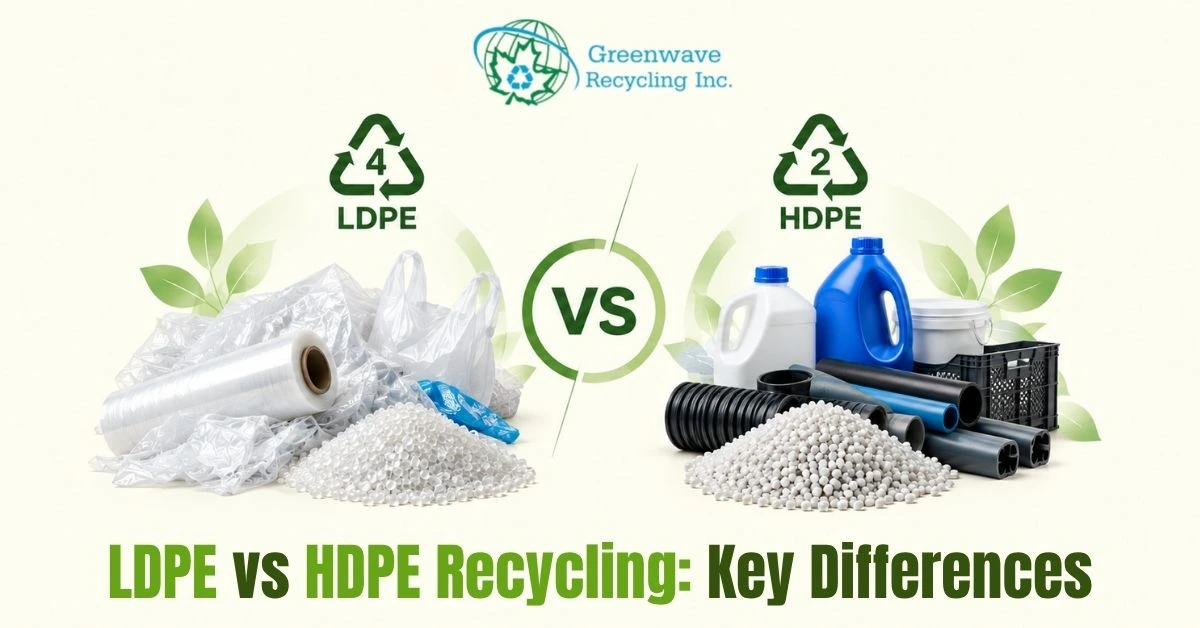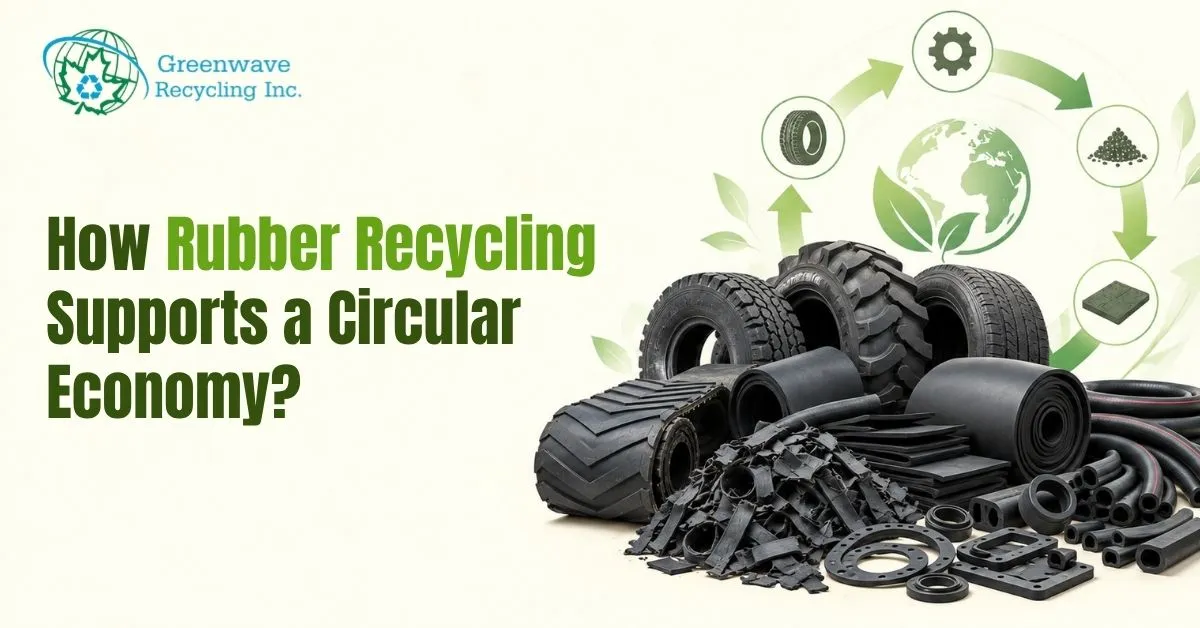

Not all plastics behave the same way when they enter a recycling system. LDPE Recycling…
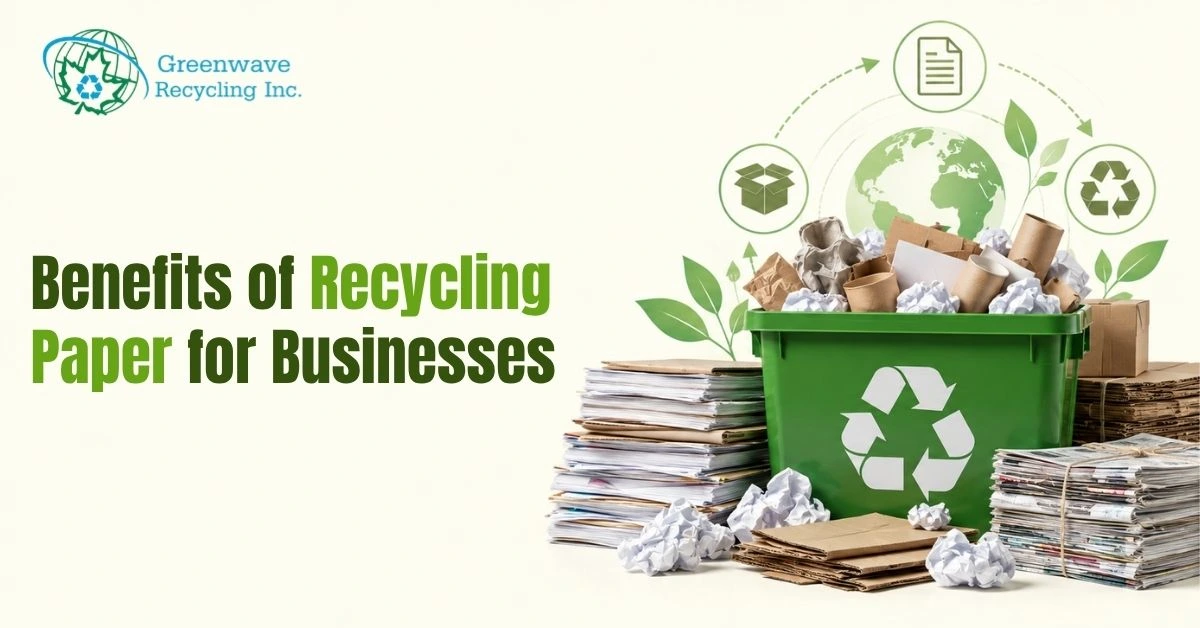
Paper waste is generated every day across offices, warehouses, manufacturing facilities, retail operations, and other commercial workplaces. Without an organised recovery system, recyclable paper can end up in landfills and represent a missed opportunity for material recovery. Implementing Paper Recycling can help businesses reduce waste, recover valuable fibres, and build more responsible waste management practices.
Reduces Business Waste and Landfill Dependence
Businesses can generate significant quantities of office paper, cardboard, packaging materials, newspapers, and other paper-based waste. Sending suitable materials into recycling streams helps reduce the volume of waste requiring disposal.
A structured Paper Recycling programme can therefore support landfill diversion while making waste handling more organised. Separating recyclable paper at the source also helps prevent valuable materials from becoming contaminated with general waste.
Conserves Natural Resources
Paper production requires resources such as wood fibre, water, and energy. Recovering usable fibres from discarded paper allows these materials to remain within the manufacturing cycle for longer.
For businesses focused on sustainability, Paper Recycling provides a practical way to support resource conservation. Recovered fibres can be processed into new paper-based products, reducing the need to rely entirely on virgin raw materials.
Supports Cost-Efficient Waste Management
Effective waste segregation can improve how businesses manage their overall waste streams. When recyclable paper is separated from general waste, businesses can direct suitable materials toward dedicated collection and processing systems.
The financial impact will vary according to material volumes, collection arrangements, contamination levels, and local market conditions. However, organised Paper Recycling can contribute to more efficient waste handling by reducing unnecessary disposal of materials that still have recovery value.
Looking to improve paper waste recovery and support sustainable resource management? Contact Us to explore responsible Paper Recycling solutions for your business
Strengthens Workplace Sustainability
Sustainability programmes become more effective when employees can participate through simple, practical actions. Providing clearly identified recycling containers and straightforward segregation guidelines can make paper recovery easier across offices and facilities.
This approach can also support broader environmental objectives, including waste reduction, resource efficiency, and circular economy practices. For organisations tracking sustainability initiatives, Paper Recycling can form part of a wider business waste management strategy.
Improves Material Recovery
Not all paper waste has the same characteristics. Office paper, cardboard, newspapers, packaging materials, and other grades may require different handling depending on their condition and fibre quality.
Keeping recyclable paper separated from food waste, liquids, plastics, and other contaminants can improve the quality of recovered material. Through effective Paper Recycling, professional collection and processing can help prepare suitable paper fibres for reuse in manufacturing applications.
Supports a Circular Economy
Recycling keeps materials in productive use instead of treating them as single-use resources. Recovered paper can move through collection, sorting, processing, and fibre recovery before becoming an input for new products.
For businesses, participating in Paper Recycling can therefore support circular economy principles while contributing to more responsible resource management. It connects everyday waste handling with broader environmental and operational goals.
Building a More Effective Paper Recycling Programme
Businesses can improve paper recovery by establishing clearly labelled collection points, training employees on proper segregation, reducing contamination, and working with reliable recycling partners. Monitoring the volume and types of paper generated can also help organisations identify opportunities for better waste management through effective Paper Recycling practices.
A consistent approach makes recycling easier to integrate into routine operations while supporting measurable waste reduction and resource recovery objectives.
Frequently Asked Questions
Common recyclable materials include office paper, cardboard, newspapers, packaging materials, and other suitable paper-based products, depending on local processing requirements.
It can reduce landfill waste, support resource conservation, improve waste segregation, and contribute to broader sustainability objectives.
Separating paper from food waste, liquids, plastics, and other contaminants can improve material quality and make downstream processing more efficient.
Yes. Recovered paper fibres can be processed and used as raw material for manufacturing various paper-based products.
Businesses can use clearly labelled collection points, employee awareness measures, proper segregation practices, and reliable recycling services.
Conclusion
For businesses, Paper Recycling is more than a waste disposal alternative. It provides a practical pathway for recovering valuable fibres, reducing landfill dependence, conserving resources, and supporting sustainable operations. With effective segregation and responsible processing, paper waste can remain part of the resource cycle rather than becoming unnecessary landfill waste.
Related Posts