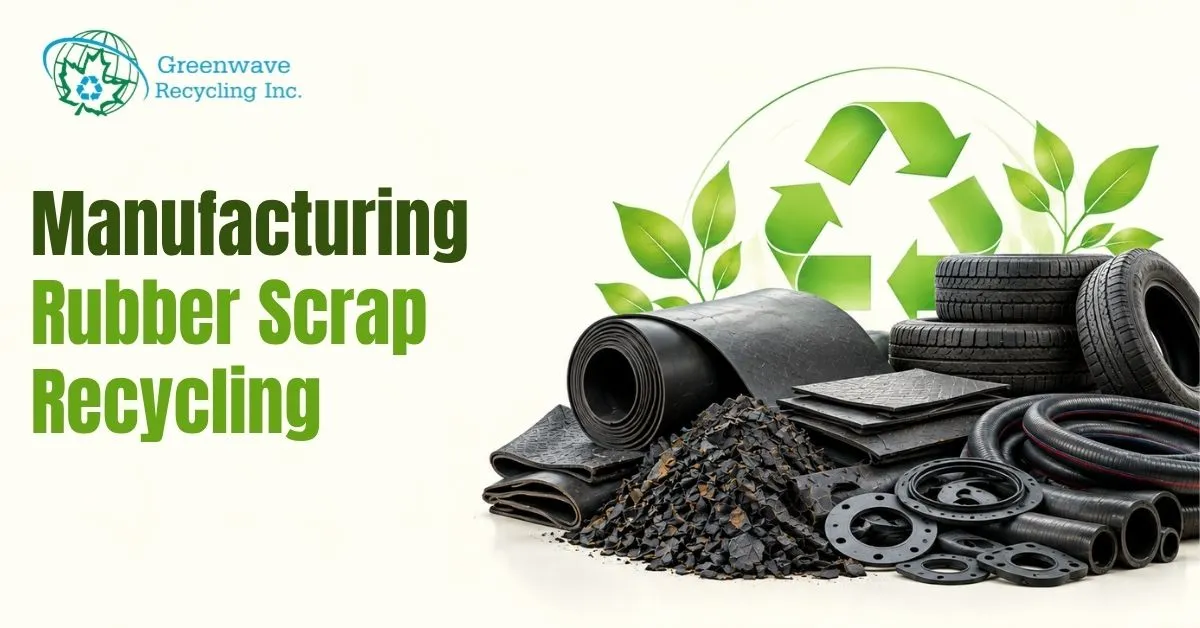

Manufacturing operations can generate rubber scrap through production offcuts, rejected components, trimming, damaged products, and…
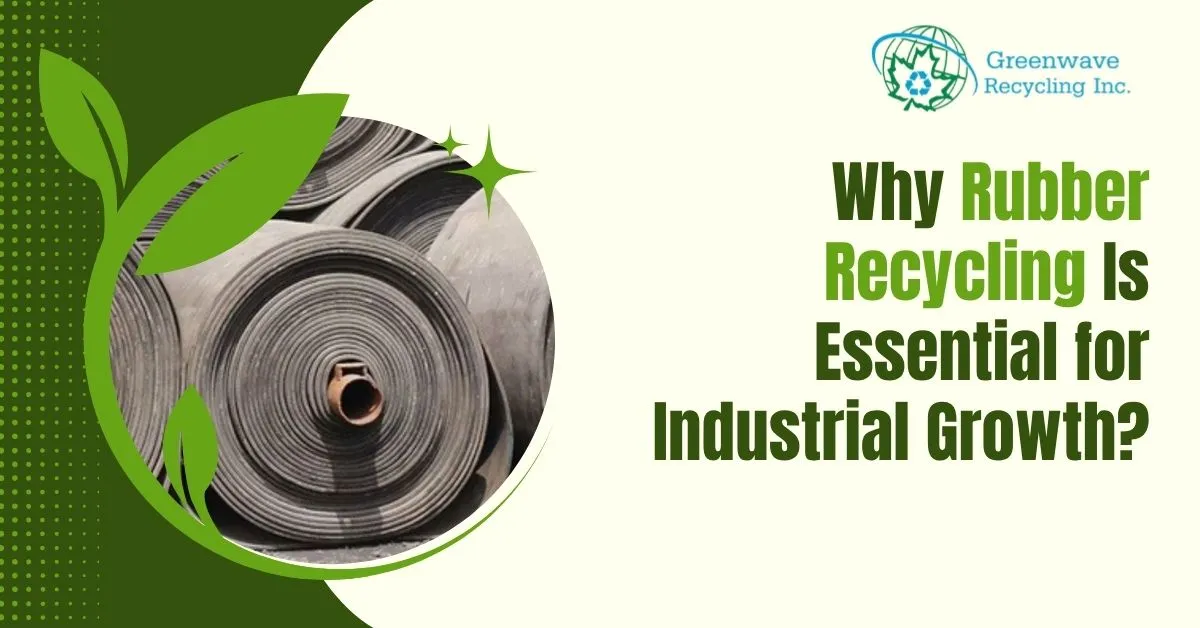
Industrial growth depends on the efficient use of resources, sustainable production practices, and responsible waste management. As manufacturing, mining, construction, logistics, and processing industries continue to expand across Canada, the volume of industrial rubber waste generated each year also continues to increase. Materials such as conveyor belts, rubber sheeting, industrial off-cuts, hoses, seals, and gaskets often reach the end of their service life but still contain valuable resources that can be recovered. Implementing Rubber Recycling enables businesses to reduce landfill waste, recover reusable materials, and support sustainable industrial development while improving operational efficiency.
By transforming end-of-life rubber into valuable resources, businesses can strengthen environmental performance and contribute to a circular economy that supports long-term industrial growth.
Why Industrial Growth Requires Sustainable Resource Management
Industrial sectors rely heavily on raw materials to manufacture products, maintain equipment, and support daily operations. As industries expand, resource demand also increases, making efficient material recovery more important than ever.
Recovering industrial rubber through Rubber Recycling helps businesses reduce waste while maximizing the value of materials already in circulation.
Common recyclable rubber materials include:
- Industrial rubber scrap
- Conveyor belts
- Rubber sheeting
- Hoses
- Seals
- Gaskets
- Moulded rubber components
Recovering these materials supports more efficient resource utilization while reducing unnecessary landfill disposal.
| Industrial Benefit | How Rubber Recycling Supports Growth |
| Resource Recovery | Recovers valuable rubber materials for reuse |
| Landfill Diversion | Reduces industrial waste sent to landfill |
| Resource Efficiency | Improves material utilization |
| Sustainability | Supports environmental objectives |
| Circular Economy | Extends material lifecycles |
Reducing Industrial Waste
Industrial operations generate large quantities of rubber waste through production, maintenance, and equipment replacement. Without structured recycling programs, these materials often occupy valuable landfill space despite their potential for reuse.
Recovering industrial rubber through Rubber Recycling helps businesses reduce waste while supporting responsible resource management.
Organizations benefit by:
- Reducing landfill waste
- Improving waste diversion
- Recovering reusable materials
- Supporting environmental initiatives
- Strengthening sustainability performance
Reducing industrial waste also contributes to cleaner operations and more efficient material management.
Improving Resource Efficiency
Making better use of existing materials is essential for sustainable industrial growth. Rather than relying entirely on new raw materials, businesses can recover valuable rubber through responsible recycling programs.
By improving material recovery, Rubber Recycling helps organizations:
- Maximize resource utilization
- Reduce raw material demand
- Improve operational efficiency
- Support sustainable manufacturing
- Reduce environmental impact
Efficient resource management allows businesses to strengthen productivity while reducing unnecessary waste.
Supporting Sustainable Manufacturing
Manufacturers are increasingly adopting sustainable production practices to improve environmental performance while maintaining operational efficiency.
Recovering reusable materials through Rubber Recycling supports sustainable manufacturing by:
- Conserving valuable resources
- Reducing production waste
- Improving material recovery
- Supporting responsible manufacturing
- Strengthening environmental performance
These improvements contribute to long-term sustainability while helping businesses achieve environmental objectives.
Advancing the Circular Economy
A circular economy focuses on keeping valuable materials in productive use for as long as possible through recovery, recycling, and reuse. Industrial rubber remains a valuable resource even after its original application has ended.
Through Rubber Recycling, businesses can recover materials that support future industrial applications instead of disposing of them.
This approach helps organizations:
- Extend material lifecycles
- Improve resource recovery
- Reduce landfill dependency
- Promote responsible production
- Support sustainable industrial development
Circular economy initiatives create long-term environmental and economic value for businesses across multiple industries.
Looking to improve sustainability through responsible Rubber Recycling? Contact Us to learn how Greenwave Recycling can support your industrial recycling goals.
Lowering Waste Management Costs
Managing industrial waste can become a significant operational expense. Recovering recyclable rubber materials reduces disposal volumes while improving waste management efficiency.
Businesses implementing Rubber Recycling programs often benefit from:
- Lower landfill disposal costs
- Better waste management practices
- Improved resource recovery
- More efficient material handling
- Long-term operational savings
Responsible recycling supports both sustainability and financial performance.
Industries That Benefit from Rubber Recycling
Many industrial sectors generate recyclable rubber materials during routine operations. Recovering these materials helps improve both environmental performance and resource efficiency.
Industries that benefit include:
- Manufacturing
- Mining
- Construction
- Industrial logistics
- Warehousing
- Processing facilities
These industries can strengthen sustainability while reducing waste through responsible recycling practices.
Choosing the Right Rubber Recycling Partner
An effective recycling program depends on partnering with an experienced provider that understands industrial material recovery and sustainable waste management. Selecting a recycling partner with expertise in Rubber Recycling helps businesses improve recovery rates while supporting environmental objectives.
When selecting a provider, businesses should consider:
- Industry expertise
- Responsible recycling practices
- Efficient logistics
- Material recovery capabilities
- Nationwide service coverage
- Environmental compliance
Working with an experienced recycling partner helps organizations maximize resource recovery while supporting sustainable industrial growth.
How Greenwave Supports Industrial Recycling
Greenwave Recycling provides reliable rubber recycling solutions for businesses across Canada. Through responsible collection, material recovery, and environmentally responsible processing, Greenwave helps organizations recover valuable industrial rubber while reducing landfill waste.
Its services support:
- Industrial rubber scrap recovery
- Conveyor belt recycling
- Rubber component recycling
- Material recovery
- Waste diversion
- Circular economy initiatives
With customized recycling solutions and efficient logistics, Greenwave helps businesses strengthen sustainability while improving resource efficiency.
Frequently Asked Questions
Rubber Recycling helps businesses recover valuable materials, reduce landfill waste, improve resource efficiency, and support sustainable industrial development.
Industrial rubber scrap, conveyor belts, hoses, seals, gaskets, rubber sheeting, and other suitable rubber materials can often be recycled.
It improves resource recovery, reduces waste, conserves raw materials, and supports circular economy initiatives.
Manufacturing, mining, construction, logistics, warehousing, and industrial processing businesses all benefit from responsible recycling programs.
Yes. Recovering recyclable rubber materials reduces landfill disposal volumes and improves overall waste management efficiency.
Conclusion
Sustainable industrial growth depends on responsible resource management and efficient material recovery. By implementing Rubber Recycling, businesses can reduce landfill waste, improve resource efficiency, support sustainable manufacturing, and strengthen circular economy initiatives. Recovering valuable rubber materials not only improves environmental performance but also creates long-term operational value, helping industries grow more sustainably while making better use of existing resources.
Related Posts