
Manufacturing operations can generate rubber scrap through production offcuts, rejected components, trimming, damaged products, and…
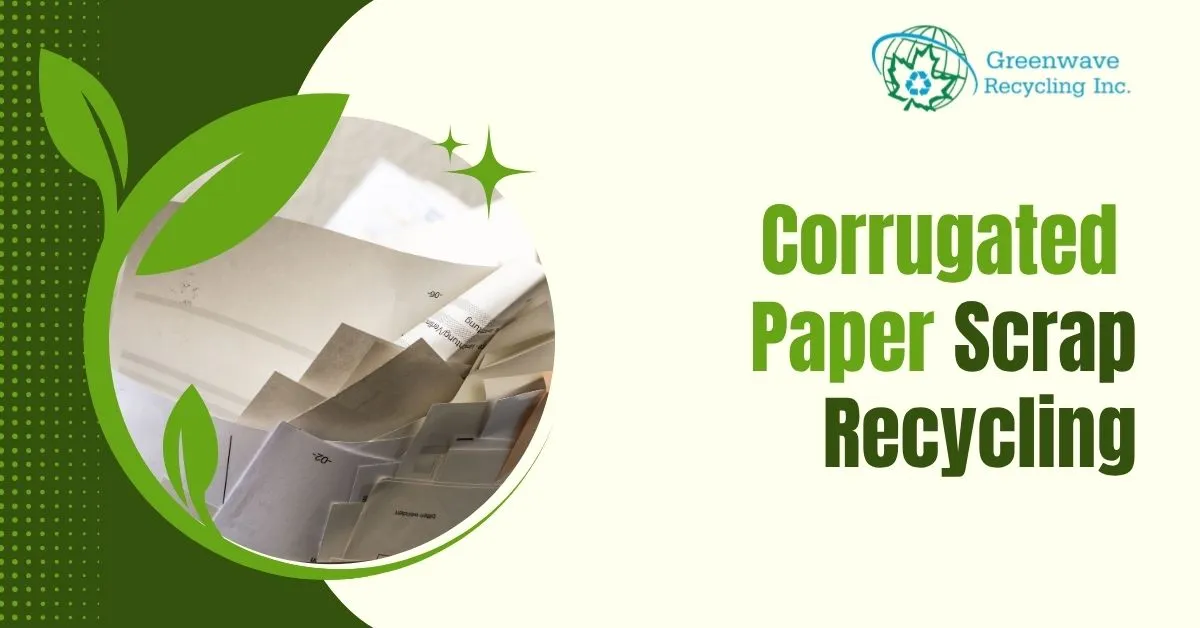
Corrugated paper waste is one of the most generated materials in industries such as manufacturing, logistics, and packaging. With the increasing demand for sustainable practices, businesses are now focusing on better waste management systems to reduce environmental impact and improve efficiency. Implementing structured Corrugated Paper Recycling processes helps organizations convert waste into reusable material instead of sending it to landfills.
In addition to environmental benefits, proper recycling systems also contribute to cost savings and operational efficiency. By adopting effective Corrugated Paper Recycling strategies, businesses can reduce raw material usage and create a continuous cycle of reuse. This not only supports sustainability but also enhances overall productivity in industrial operations.
How Corrugated Paper Waste Impacts Industrial Operations?
Corrugated paper waste, if not managed properly, can create operational challenges such as storage issues, increased disposal costs, and inefficiencies in workflow. Large volumes of unused cardboard and packaging material can quickly accumulate in production areas, affecting space and organization.
By implementing efficient Corrugated Paper Recycling, businesses can manage waste more effectively and maintain cleaner work environments. Proper recycling systems help reduce clutter, improve material flow, and ensure that valuable resources are reused instead of wasted. This leads to better operational control and improved workplace efficiency.
Sources of Corrugated Paper Scrap in Industries
Corrugated paper scrap is generated at various stages of industrial operations, especially in sectors that rely heavily on packaging and shipping. Identifying these sources helps businesses develop better recycling strategies and improve waste management efficiency.
By understanding where waste is generated, companies can optimize their Corrugated Paper Recycling processes and reduce material loss. This also helps in improving segregation and ensuring higher-quality recycled output.
Major Sources Include:
- Packaging and shipping operations
- Manufacturing and production lines
- Warehousing and storage activities
- Retail and distribution centres
- Damaged or excess cardboard materials
Detailed Corrugated Paper Recycling Process
Step 1: Collection and Segregation
The recycling process begins with collecting corrugated paper waste from various industrial and commercial sources. The material is carefully segregated to remove contaminants such as plastic, tape, or food residue. Proper segregation ensures that only clean and usable material enters the Corrugated Paper Recycling process, improving efficiency and output quality.
Step 2: Baling and Storage
Once sorted, the paper waste is compressed into compact bales for easier handling and storage. Baling reduces the volume of waste and makes transportation more efficient. This step is important in Corrugated Paper Recycling, as it helps maintain organized storage and ensures smooth movement of materials to recycling facilities.
Step 3: Transportation to Recycling Facility
The baled paper is transported to specialized recycling plants where further processing takes place. Efficient logistics play a key role in ensuring timely handling and reducing delays in the recycling process. Proper transportation systems improve the overall effectiveness of Corrugated Paper Recycling operations.
Step 4: Shredding and Pulping
At the recycling facility, the corrugated paper is shredded into smaller pieces and mixed with water to form pulp. This process breaks down the paper fibres and prepares them for cleaning and refinement. Shredding and pulping are critical stages in Corrugated Paper Recycling, as they determine the quality of the recycled material.
Step 5: Cleaning and Contaminant Removal
The pulp undergoes a cleaning process to remove impurities such as ink, adhesives, and other unwanted materials. Advanced filtration systems are used to ensure that only clean fibres remain. This step enhances the quality and usability of the final output in Corrugated Paper Recycling.
Step 6: Paper Formation and Reuse
The cleaned pulp is processed into new paper sheets, which are then dried and shaped into cardboard or packaging materials. These recycled products are reused in manufacturing, completing the Corrugated Paper Recycling cycle. This ensures maximum resource utilization and supports sustainable production practices.
Need reliable paper recycling solutions? Contact us for a customized corrugated paper recycling.
How Businesses Can Improve Recycling Efficiency?
Improving recycling efficiency requires proper planning, infrastructure, and process control. Businesses must focus on optimizing each stage of waste handling to achieve better results. Implementing structured systems for Corrugated Paper Recycling helps reduce waste and improve productivity.
Using proper segregation methods, training staff, and investing in efficient equipment can significantly enhance recycling performance. Regular monitoring and process improvements ensure consistent output quality and long-term operational efficiency.
Environmental Impact of Corrugated Paper Recycling
Corrugated paper waste, if not managed properly, can significantly contribute to landfill accumulation and environmental degradation. Large volumes of discarded cardboard take up space and increase the burden on waste management systems. By implementing effective Corrugated Paper Recycling, businesses can reduce their environmental footprint and support sustainable practices.
Recycling helps conserve natural resources such as trees and water, which are essential for paper production. It also reduces energy consumption and greenhouse gas emissions associated with manufacturing new materials. This makes Corrugated Paper Recycling a critical step toward environmentally responsible industrial operations.
Best Practices for Handling Corrugated Paper Scrap
Proper handling of corrugated paper scrap is essential to ensure efficient recycling and high-quality output. Without clear processes, materials can become contaminated, reducing their usability and increasing processing costs. Businesses must adopt structured systems to manage waste effectively.
By following best practices in Corrugated Paper Recycling, companies can improve efficiency and maintain consistent results. Simple improvements in handling and storage can lead to better recycling performance and reduced operational challenges.
Best Practices:
- Keep paper waste dry and free from moisture
- Avoid mixing with plastic or food waste
- Use labelled bins for proper segregation
- Train staff on correct handling methods
- Monitor waste generation regularly
Benefits of Corrugated Paper Recycling for Industries
Recycling corrugated paper provides several benefits that directly impact business performance and sustainability. It helps reduce waste, lower costs, and improve resource utilization across operations.
By adopting Corrugated Paper Recycling, businesses can create a more efficient production cycle while supporting environmental goals. This approach improves operational efficiency and ensures compliance with sustainability standards.
Key Benefits:
- Reduced landfill waste
- Lower raw material costs
- Improved operational efficiency
- Better compliance with regulations
- Enhanced sustainability
Frequently Asked Questions
Most clean cardboard materials such as boxes and packaging waste can be recycled. Proper segregation ensures better processing and higher-quality recycled output.
Maintaining clean input material, removing contaminants, and using efficient recycling systems help improve the quality and usability of recycled paper.
Segregation prevents contamination and ensures that only suitable materials are processed, which improves efficiency and final output quality.
Yes, recycled fibres are commonly used to produce new cardboard and packaging materials without compromising performance.
Contamination, improper handling, and lack of structured systems are common challenges that can affect recycling efficiency.
Conclusion
Corrugated paper scrap recycling is an essential part of modern industrial waste management systems. By implementing effective Corrugated Paper Recycling processes, businesses can reduce waste, improve efficiency, and support sustainable practices. This helps create a more organized and cost-effective operational environment.
As industries continue to focus on sustainability, adopting structured recycling systems will become increasingly important. With proper planning and execution, Corrugated Paper Recycling can deliver long-term benefits in terms of cost savings, efficiency, and environmental responsibility.
Related Posts