
Manufacturing operations can generate rubber scrap through production offcuts, rejected components, trimming, damaged products, and…

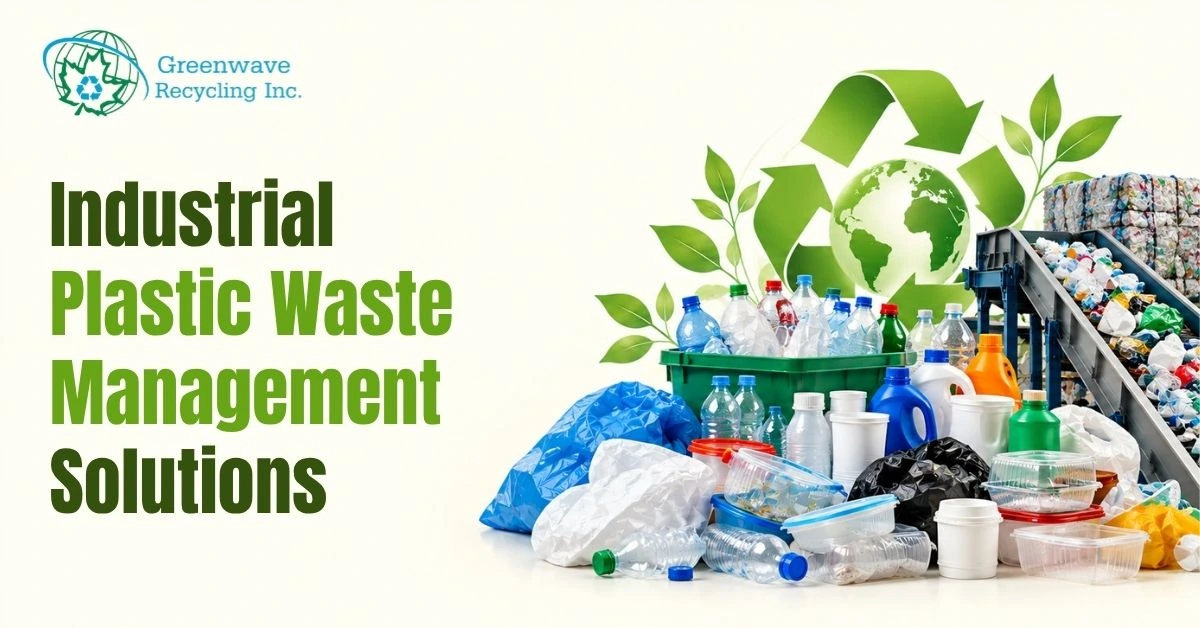
Manufacturing processes generate different forms of production scrap, including plastic off-cuts, rejected components, excess materials, and post-industrial waste. When these materials are treated solely as waste, manufacturers can lose valuable resources that may otherwise be recovered and returned to productive use. Effective Plastic Recycling helps manufacturers manage suitable production scrap responsibly while improving material recovery and reducing unnecessary disposal.
As industries focus more on resource efficiency and sustainable operations, recovering production scrap has become an important part of modern manufacturing. Structured recycling programs can help businesses separate suitable materials, improve waste handling, and support circular economy objectives. By viewing production scrap as a recoverable resource, manufacturers can create greater value from materials already within their operations.
Understanding Production Scrap in Manufacturing
Production scrap refers to materials generated during manufacturing, processing, fabrication, and packaging activities. These materials may result from trimming, cutting, moulding, product defects, excess production, or other routine operational processes.
For manufacturers handling plastic materials, production scrap may include:
- Plastic off-cuts
- Excess production materials
- Rejected plastic components
- Packaging scrap
- Manufacturing remnants
- Post-industrial plastic materials
The type and volume of scrap can vary depending on the manufacturing process. Proper identification and segregation are important for determining whether materials are suitable for recovery.
Why Production Scrap Should Be Recovered?
Sending recoverable production materials directly to disposal can result in unnecessary resource loss. Many manufacturing operations generate consistent streams of materials that can be collected and processed through structured recycling systems.
Integrating Plastic Recycling into production waste management helps manufacturers identify opportunities to recover suitable materials before they enter the general waste stream.
Recovering production scrap can support:
- Reduced waste generation
- Better material utilization
- Improved resource recovery
- Lower landfill dependency
- Stronger sustainability practices
A structured approach also helps manufacturers gain better visibility into the materials generated throughout their operations.
| Production Scrap Challenge | Recycling Approach |
| Mixed material streams | Segregation and identification |
| Plastic off-cuts | Collection for material recovery |
| Rejected components | Assessment for suitable processing |
| Excess production material | Recovery and reuse opportunities |
| Packaging scrap | Sorting and recycling |
| Disposal dependency | Improved waste diversion systems |
Improving Material Recovery Through Segregation
Material segregation is one of the most important stages of an effective recycling program. When different waste streams are mixed together, contamination can make recovery more difficult and reduce the value of recyclable materials.
Manufacturers should establish clear systems for separating suitable production scrap at the point where it is generated. This may involve designated collection areas, labelled containers, and procedures for handling different material types.
Within manufacturing operations, Plastic Recycling becomes more efficient when materials are properly identified before collection and processing.
Effective segregation can help businesses:
- Reduce contamination
- Improve material quality
- Simplify collection
- Increase recovery opportunities
- Support efficient processing
Consistent procedures also make it easier for employees to understand how different production materials should be handled.
Reducing Manufacturing Waste
Waste reduction begins with understanding where and why materials are being generated. Manufacturers can review their production processes to identify recurring sources of scrap and determine whether these materials can be reduced, reused, or recycled.
Not all production scrap can be eliminated. Some waste is an unavoidable result of trimming, cutting, shaping, and other manufacturing processes. However, materials that cannot be prevented may still offer recovery opportunities. Plastic Recycling provides manufacturers with a responsible pathway for managing suitable plastic scrap instead of relying entirely on disposal.
A waste reduction strategy may include:
- Monitoring production scrap volumes
- Identifying recurring material streams
- Improving segregation practices
- Reducing contamination
- Establishing collection procedures
- Reviewing recycling performance
These practices can help manufacturers manage materials more efficiently throughout the production cycle.
Supporting Resource Efficiency
Resource efficiency involves making better use of materials throughout their lifecycle. For manufacturers, this means considering how production materials can remain valuable even after they are no longer suitable for their original purpose.
Recovering suitable production scrap reduces the amount of material that is unnecessarily discarded. It also supports a more efficient approach to material management by keeping recoverable resources in circulation.
When incorporated into broader operational strategies, Plastic Recycling helps manufacturers support:
- Better resource utilization
- Material recovery
- Reduced waste volumes
- Responsible manufacturing
- Sustainability initiatives
Improving resource efficiency can also help organizations strengthen their understanding of material flows within their facilities.
Supporting Sustainable Manufacturing Practices
Sustainable manufacturing focuses on reducing unnecessary waste and improving how resources are managed during production. Recycling is one component of this approach because it provides a pathway for suitable materials to be recovered after they leave the production process.
Manufacturers can support sustainability by creating systems that prioritize material recovery over unnecessary disposal. This requires coordination between production teams, waste management personnel, and recycling providers.
A well-managed Plastic Recycling program can support sustainable manufacturing through:
- Responsible material handling
- Improved waste diversion
- Resource conservation
- Recovery of suitable plastics
- Circular economy objectives
These practices allow manufacturers to integrate recycling into their wider environmental and operational strategies.
The Role of Collection and Logistics
Efficient collection is essential when managing large or recurring volumes of production scrap. Manufacturing facilities often generate materials at different locations within a plant, making organized collection systems important.
Collection procedures should be designed around the type of materials generated and the operational needs of the facility. Clearly defined processes can help ensure recyclable materials are moved efficiently from production areas to designated storage or collection points.
Reliable logistics also support Plastic Recycling by helping manufacturers maintain consistent material handling practices.
Important considerations include:
- Collection frequency
- Material storage requirements
- Segregation procedures
- Transportation coordination
- Volume management
- Processing requirements
A structured collection system can reduce unnecessary handling while improving the overall flow of recyclable materials.
Advancing Circular Economy Objectives
A circular economy focuses on keeping materials in productive use for as long as possible through recovery, recycling, and reuse. Production scrap represents an important opportunity for manufacturers to participate in this approach.
Instead of following a linear process where materials are used and discarded, manufacturers can recover suitable scrap and return it to the material cycle.
Through responsible Plastic Recycling, recoverable production materials can support broader circular economy objectives by:
- Extending material lifecycles
- Improving resource recovery
- Reducing disposal dependency
- Supporting sustainable material management
- Keeping suitable resources in circulation
This approach encourages businesses to consider the value of materials beyond their first application.
Looking to manage production scrap more responsibly? Contact Us to learn how Plastic Recycling solutions can support material recovery and sustainable manufacturing practices.
Building an Effective Production Scrap Recycling Program
An effective recycling program requires planning and consistency. Manufacturers should begin by understanding the types of materials generated within their operations and identifying which streams may be suitable for recovery.
A structured program can include:
- Material Assessment – Identify the types and volumes of production scrap generated.
- Segregation – Separate suitable recyclable materials from other waste streams.
- Collection – Establish designated systems for gathering production scrap.
- Storage – Maintain organized areas for recyclable materials before collection.
- Transportation – Coordinate movement to appropriate processing facilities.
- Processing – Prepare suitable materials for recovery and future applications.
- Monitoring – Review recycling performance and identify improvement opportunities.
Regular monitoring helps manufacturers understand whether their recycling systems are operating efficiently and where adjustments may be needed.
Choosing a Reliable Recycling Partner
Working with an experienced recycling provider can help manufacturers manage production scrap more effectively. A suitable partner should understand industrial material streams and provide collection and processing solutions aligned with operational requirements.
Experience in Plastic Recycling can help manufacturers establish responsible recovery pathways for suitable post-industrial materials.
When selecting a recycling provider, businesses should consider:
- Experience with industrial materials
- Collection capabilities
- Logistics coordination
- Material processing methods
- Recovery capabilities
- Ability to manage recurring volumes
The right recycling partnership can support consistent material recovery while helping manufacturers maintain organized waste management systems.
How Greenwave Supports Production Scrap Recycling?
Greenwave Recycling provides recycling solutions for businesses managing post-industrial and production scrap materials. Through collection, transportation, sorting, and processing, suitable materials can be recovered and managed through responsible recycling practices.
Its recycling services can support manufacturers with:
- Post-industrial plastic recovery
- Production scrap collection
- Material sorting
- Logistics coordination
- Waste diversion
- Resource recovery initiatives
By supporting organized material recovery, recycling solutions can help manufacturers reduce unnecessary disposal and improve how suitable production materials are managed.
Frequently Asked Questions
Production scrap recycling involves collecting and recovering suitable materials generated during manufacturing processes, including off-cuts, rejected components, and excess materials.
Recycling suitable production scrap helps reduce waste, improve material recovery, support resource efficiency, and reduce dependency on landfill disposal.
Suitable materials may include plastic off-cuts, manufacturing remnants, rejected components, packaging scrap, and other post-industrial plastics, depending on their composition and condition.
Segregation helps prevent contamination and improves the quality of recyclable materials, making collection and processing more efficient.
It provides a pathway for suitable production materials to be recovered rather than unnecessarily discarded, supporting resource efficiency and sustainable manufacturing.
Conclusion
Production scrap is a regular part of many manufacturing operations, but suitable materials do not always need to become waste. Through organized collection, segregation, and responsible recovery, manufacturers can improve resource efficiency and reduce unnecessary disposal. Plastic Recycling provides an important pathway for recovering suitable post-industrial materials and supporting more sustainable manufacturing practices.
By developing structured recycling programs and working with experienced recovery providers, manufacturers can improve material management while contributing to circular economy objectives. Treating production scrap as a recoverable resource creates opportunities to reduce waste and make better use of materials already generated within the manufacturing process.
Related Posts