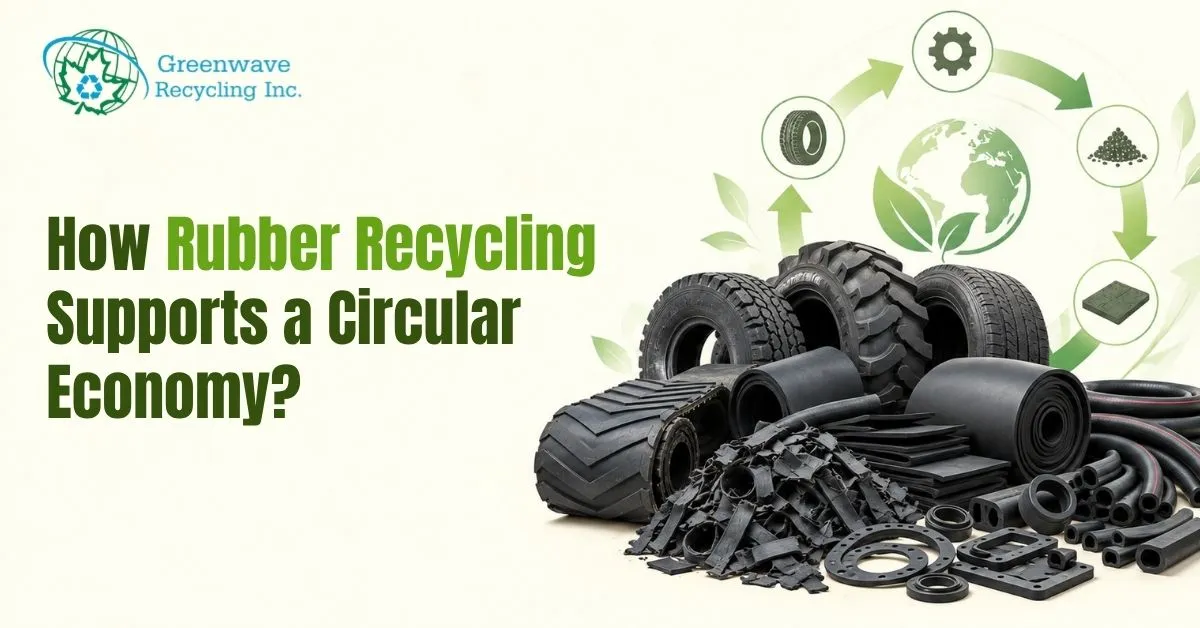

Rubber products are essential across manufacturing, mining, construction, transportation, and logistics. Conveyor belts, hoses, seals,…
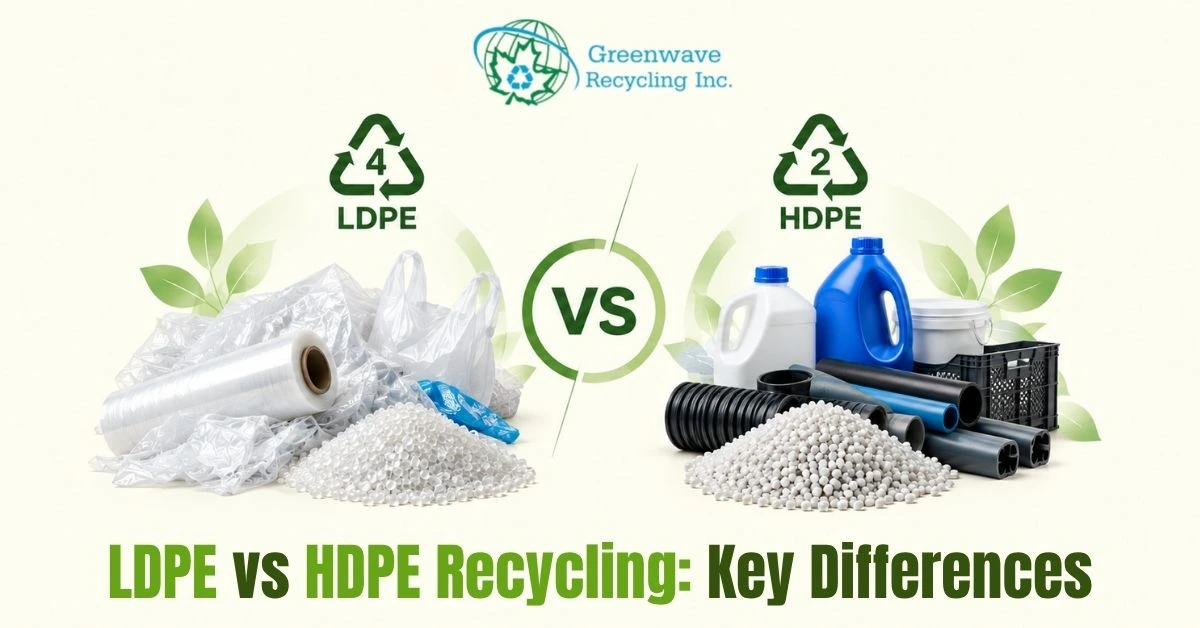
Not all plastics behave the same way when they enter a recycling system. LDPE Recycling and HDPE Recycling involve the same basic goal is recovering usable plastic material, but their physical properties create very different collection, sorting, and processing requirements. Understanding these differences is particularly important for businesses managing plastic waste at commercial or industrial scale.
Both materials are recyclable thermoplastics, yet rigid HDPE is generally easier to handle through conventional recycling systems, while flexible LDPE films can require dedicated infrastructure. Understanding these differences is important for businesses looking to improve Plastic Recycling and manage each material through the right recovery pathway.
What Are HDPE and LDPE?
HDPE, or High-Density Polyethylene, is a rigid and durable plastic identified by resin code #2. It is commonly found in milk jugs, detergent bottles, crates, pipes, and other rigid products.
LDPE, or Low-Density Polyethylene, carries resin code #4 and is softer, more flexible, and stretchy. Common examples include plastic bags, shrink wrap, films, and some squeeze bottles.
| Feature | HDPE | LDPE |
| Recycling Code | #2 | #4 |
| Physical Form | Rigid and durable | Flexible and stretchy |
| Common Materials | Bottles, crates, pipes | Bags, films, shrink wrap |
| Collection | Generally easier | Often requires dedicated collection |
| Melting Range* | ~130–137°C | ~105–115°C |
| Processing | Relatively straightforward | More challenging for thin films |
*Ranges based on the supplied competitor research material and may vary by grade and formulation.
How Collection and Sorting Differ?
The biggest practical difference in LDPE Recycling and HDPE recovery often appears before processing even begins. Rigid HDPE is easier to collect, bale, sort, wash, and prepare for further processing. Its physical form also works more readily with automated sorting and grinding systems.
Thin LDPE films present a different challenge. Their flexible nature can cause bags, films, and similar materials to wrap around rotating screens, rollers, or other equipment used in conventional material recovery facilities. As a result, these materials may require dedicated collection streams or specialized recycling infrastructure.
For businesses, separating rigid and flexible plastics at the source can help reduce contamination and make downstream recovery more efficient.
Processing and Reprocessing Differences
Once plastics are collected and sorted, their different physical characteristics continue to influence processing. HDPE can generally be washed, shredded, melted, and pelletized using established recycling processes. LDPE Recycling can be more demanding, particularly when dealing with thin films. Flexible material may require specialized shredders, densifiers, and film-recycling lines to prepare it effectively for further processing.
The supplied research also highlights different thermal behaviour. HDPE has a higher approximate melting range of 130–137°C, while LDPE is reported at approximately 105–115°C. Actual processing temperatures depend on the specific material grade and recycling system.
What Happens to Recycled HDPE and LDPE?
After processing, recovered plastics can be directed toward different applications depending on material quality and processing requirements. Effective Plastic Recycling helps convert suitable HDPE and LDPE waste into usable materials for further manufacturing.
Recycled HDPE may be used in products such as:
- Plastic lumber
- New bottles
- Heavy-duty piping
- Other durable plastic products
Recovered LDPE may be used for applications such as:
- Trash-can liners
- Shipping films
- Composite materials
- Specialty sheets
The quality and end use of recycled material depend on contamination, polymer characteristics, processing conditions, and the requirements of the final application.
Looking to improve your plastic waste recovery? Contact Us to explore responsible Plastic Recycling solutions for your business.
Which Is Easier to Recycle?
HDPE is generally easier to process because its rigid structure works well with conventional collection, sorting, shredding, washing, and pelletizing systems. LDPE is recyclable as well, but thin films can create mechanical challenges and often require more specialized handling.
This does not mean LDPE should be treated as non-recyclable. Instead, effective LDPE Recycling depends on having suitable collection and processing systems designed for flexible plastics.
For manufacturers and businesses, understanding the difference can improve segregation practices and help direct each material into the appropriate recycling stream.
Why the Difference Matters for Businesses?
Choosing the right recycling pathway begins with identifying the plastic being generated. Mixing different material streams or allowing flexible films to enter unsuitable sorting systems can reduce recovery efficiency.
A well-organized Plastic Recycling program should therefore consider:
- Plastic type and resin code
- Rigid versus flexible form
- Contamination levels
- Collection requirements
- Available processing infrastructure
- Potential recycled-material applications
This approach helps businesses improve material recovery while reducing unnecessary plastic waste.
Supporting More Efficient Plastic Recycling
Both LDPE and HDPE have value beyond their first use. When businesses identify, segregate, and route these materials appropriately, they can reduce disposal and improve resource recovery.
Responsible HDPE Recycling and LDPE Recycling can contribute to better waste diversion, more efficient use of existing materials, and broader circular economy objectives. The key is not simply collecting plastic, but ensuring the material reaches a recycling pathway suited to its characteristics.
Frequently Asked Questions
HDPE is generally easier to collect and process because its rigid form works well with conventional recycling equipment.
Thin LDPE films can wrap around sorting machinery and may require dedicated collection systems and specialized processing equipment.
HDPE is identified by resin code #2, while LDPE is identified by resin code #4.
Yes. Both materials can be recovered and processed into suitable recycled products, although applications depend on material quality and processing requirements.
Separating materials helps reduce contamination and ensures each plastic stream can be directed toward the most suitable collection and processing system.
Conclusion
HDPE and LDPE are both recyclable, but their different physical characteristics create important differences in collection, sorting, and processing. HDPE Recycling is generally more straightforward because rigid materials are easier to handle through conventional systems, while LDPE Recycling often requires specialized approaches for flexible films. Understanding these differences allows businesses to improve segregation, increase recovery opportunities, and build more effective Plastic Recycling programs.
Related Posts