
As industries across Canada continue to prioritize sustainability, improving resource efficiency has become a key…
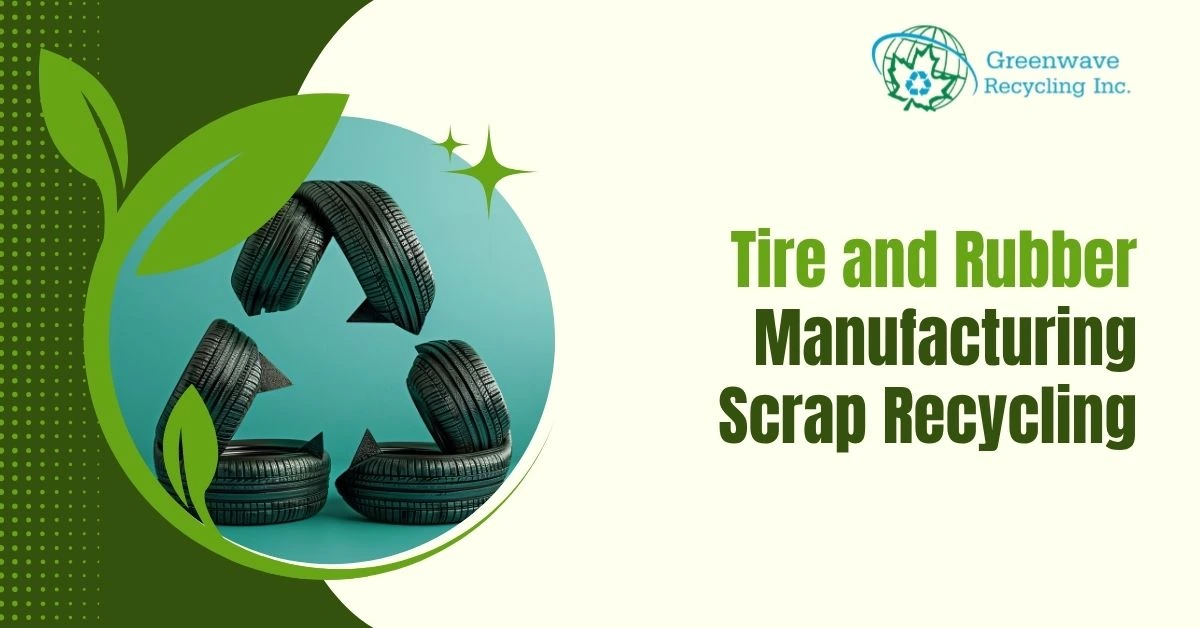
Managing waste in tire and rubber manufacturing is a critical aspect of maintaining efficiency and sustainability in modern industries. Large volumes of scrap are generated during production processes such as cutting, shaping, and finishing, and improper handling can lead to increased costs and environmental concerns. Implementing structured systems for Tire recycling allows manufacturers to convert waste into reusable resources instead of treating it as a loss.
In addition to tire waste, rubber-based scrap also requires proper management to ensure it does not disrupt operations. Through effective rubber recycling, manufacturers can reuse materials in production, reduce landfill dependency, and improve overall resource efficiency. This approach helps create a more sustainable and cost-effective manufacturing environment.
Where Tire and Rubber Waste Comes from in Manufacturing?
Tire and rubber waste is generated at multiple stages of production, including raw material processing, moulding, trimming, and finishing. These stages produce different types of scrap such as offcuts, rejected components, and excess material. Proper identification of these sources is important for improving recycling efficiency.
By implementing structured Tire recycling systems, manufacturers can collect and manage waste directly at the source. At the same time, applying organized rubber recycling practices ensures that scrap materials are separated and processed correctly. This reduces contamination and improves the quality of recycled output.
How Manufacturers Can Build an Efficient Scrap Recycling System?
An efficient recycling system requires proper planning, infrastructure, and process control. Manufacturers need to establish clear workflows for handling scrap materials and ensure that each stage is optimized for efficiency. This includes collection, segregation, storage, and processing.
Using advanced Tire recycling solutions helps industries manage large volumes of waste more effectively. At the same time, integrating rubber recycling into daily operations allows manufacturers to create a continuous cycle of reuse. This improves productivity and reduces dependency on new raw materials.
Detailed Tire and Rubber Recycling Process
Step 1: Collection and Initial Sorting
The process begins with collecting tire and rubber scrap directly from manufacturing units or waste streams. Materials are then sorted based on type, size, and condition to ensure proper handling. This step is important for improving efficiency in Tire recycling and avoiding contamination in later stages. Proper sorting also helps separate reusable materials from non-recyclable waste.
Step 2: Shredding and Size Reduction
In this stage, large tire pieces and rubber scrap are fed into shredding machines to break them down into smaller, manageable sizes. This makes it easier to process the material further and improves consistency in output. Efficient shredding is essential for both rubber recycling and material handling, as it prepares the scrap for separation and refinement.
Step 3: Steel and Fibre Separation
Tires often contain steel wires and fibre materials that must be removed before further processing. Advanced separation systems are used to extract these components, leaving behind clean rubber material. This step improves the quality of Tire recycling output and ensures that the final material is suitable for industrial reuse.
Step 4: Grinding and Granulation
The cleaned rubber is then processed through grinding systems to convert it into smaller granules or fine particles. This stage is critical in rubber recycling, as it determines the usability of the recycled material. The granulated rubber can be customized based on application requirements.
Step 5: Refining and Quality Control
After grinding, the material undergoes refining and quality checks to ensure consistency in size and composition. This step ensures that the recycled output meets industrial standards. Proper quality control improves reliability in rubber recycling and ensures better performance in end-use applications.
Step 6: Reuse in Manufacturing Applications
The final recycled material is then used in manufacturing processes such as flooring, road construction, and industrial products. Through effective rubber recycling, industries can reuse materials without compromising quality. This step completes the recycling cycle and supports sustainable production practices.
Looking for a reliable tire and rubber recycling solution? Contact us for a complete recycling guide tailored to your waste management needs.
Industrial Applications of Recycled Tire and Rubber Materials
Recycled tire and rubber materials are widely used in various industrial applications due to their durability and flexibility. Products developed through Tire recycling include road construction materials, rubber mats, and safety flooring, which offer reliable performance and cost efficiency.
Similarly, materials obtained through rubber recycling are used in manufacturing components, insulation products, and industrial equipment. These applications help manufacturers reduce raw material usage while maintaining product quality. This makes recycling an important part of modern industrial production systems.
Benefits of Tire and Rubber Scrap Recycling
Recycling tire and rubber scrap provides several benefits that directly impact manufacturing efficiency and sustainability. By implementing Tire recycling, industries can reduce waste, lower disposal costs, and improve resource utilization across operations.
At the same time, rubber recycling supports environmental sustainability by reducing landfill waste and promoting reuse of materials. This approach helps manufacturers achieve better cost control while maintaining compliance with environmental regulations and industry standards.
Key Benefits:
- Reduced waste and landfill impact
- Lower raw material and disposal costs
- Improved production efficiency
- Better environmental compliance
- Enhanced sustainability and resource use
Common Mistakes in Tire and Rubber Scrap Handling
Many manufacturers face issues due to improper scrap handling practices, which can reduce recycling efficiency and increase costs. Common mistakes include poor segregation, lack of cleaning, and inefficient processing methods. These issues can affect both quality and productivity.
By improving Tire recycling systems and implementing better handling practices, manufacturers can avoid these problems. Similarly, adopting structured rubber recycling methods ensures that materials are processed correctly and consistently, leading to better results and long-term efficiency.
Future Trends in Tire and Rubber Recycling Industry
The recycling industry is evolving with new technologies and methods that improve efficiency and output quality. Advanced systems are being developed to enhance Tire recycling processes and handle larger volumes of waste more effectively.
Innovations in rubber recycling are also enabling manufacturers to produce higher-quality recycled materials for diverse applications. These advancements will continue to drive sustainable growth and improve waste management practices in the manufacturing sector.
Frequently Asked Questions
Most production scrap, including offcuts and defective products, can be recycled. Proper sorting and processing help ensure efficient reuse in industrial applications.
By implementing proper segregation, using advanced equipment, and maintaining quality control, manufacturers can improve recycling performance and output quality.
Challenges include contamination, mixed materials, and complex processing requirements. These can be managed with proper systems and structured recycling processes.
Yes, depending on processing quality, recycled rubber can be used in many industrial and construction applications without compromising performance.
Recycling reduces the need for new raw materials and lowers disposal costs, which improves overall cost efficiency in production operations.
Conclusion
Tire and rubber scrap recycling is essential for improving efficiency, reducing waste, and supporting sustainable manufacturing practices. By implementing structured Tire recycling systems, manufacturers can convert waste into valuable resources and improve operational performance. This helps create a more efficient and environmentally responsible production system.
At the same time, adopting effective rubber recycling practices allows industries to maximize material utilization and reduce dependency on raw materials. With proper systems in place, manufacturers can achieve long-term sustainability, cost savings, and improved productivity in a competitive industrial environment.
Related Posts