
Manufacturing operations can generate rubber scrap through production offcuts, rejected components, trimming, damaged products, and…
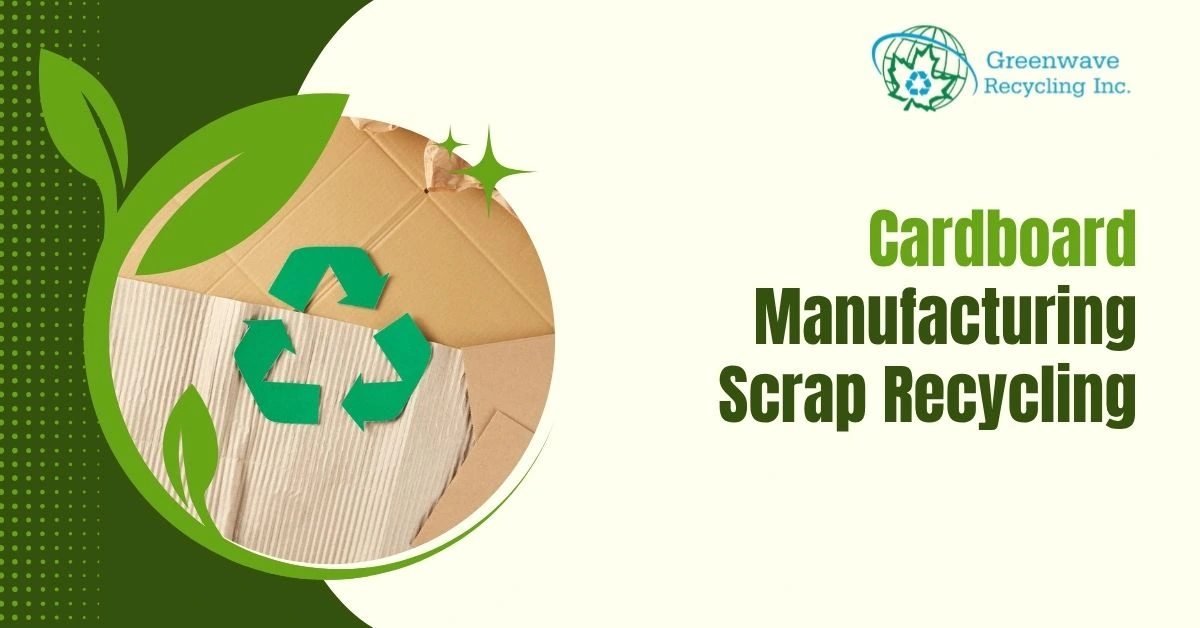
Cardboard waste is an unavoidable by-product in manufacturing environments where packaging, storage, and transportation are part of daily operations. From protective packaging to product shipping, cardboard plays a critical role but also generates significant scrap. Implementing efficient systems for Cardboard Scrap Recycling allows manufacturers to manage this waste effectively while maintaining smooth production flow.
As industries move toward sustainable practices, recycling cardboard is no longer optional—it is a strategic necessity. By adopting structured Cardboard Scrap Recycling, businesses can convert excess material into reusable resources, reduce operational costs, and create a more organized and efficient workspace. This approach supports both productivity and environmental responsibility.
How Cardboard Waste Builds Up in Manufacturing Facilities?
Cardboard scrap does not come from a single source—it builds up gradually across different stages of production and logistics. Without proper handling, this waste can occupy valuable space, disrupt workflows, and increase disposal costs.
Manufacturers can improve operations by identifying waste points and applying Cardboard Scrap Recycling at the right stages. This ensures that scrap is collected and processed before it becomes a problem.
Where Waste Accumulates:
- Packaging preparation and product wrapping
- Storage and warehousing activities
- Shipping and dispatch operations
- Damaged or excess packaging materials
- Production line trimming and cutting
Smart Handling Techniques for Cardboard Scrap
Handling cardboard scrap efficiently is just as important as recycling it. Poor handling can lead to contamination, moisture damage, and reduced recycling quality. A well-planned system ensures that materials remain clean and reusable.
By applying proper Cardboard Scrap Recycling practices, businesses can improve efficiency and reduce processing challenges. Simple handling improvements can significantly enhance recycling outcomes.
Effective Handling Methods:
- Keep cardboard dry and protected from moisture
- Avoid mixing with plastic or food waste
- Use designated collection zones
- Train staff on proper disposal methods
- Monitor waste regularly to avoid buildup
Step-by-Step Cardboard Scrap Recycling Process
Step 1: Scrap Collection from Production Areas
Cardboard waste is collected from various points within the facility, including packaging lines and storage areas. This step ensures that scrap is gathered consistently without interrupting workflow. Proper collection is essential for efficient Cardboard Scrap Recycling and prevents material loss.
Step 2: Sorting and Contaminant Removal
Collected cardboard is sorted to remove unwanted materials such as tape, labels, or plastic elements. Clean material ensures better recycling quality and reduces processing issues. This stage improves the overall effectiveness of Cardboard Scrap Recycling.
Step 3: Compaction and Baling
The sorted cardboard is compressed into bales to reduce volume and simplify storage. Baling improves handling efficiency and makes transportation easier. This step helps streamline logistics in Cardboard Scrap Recycling operations.
Step 4: Transportation and Processing
Baled materials are transported to recycling facilities where they undergo further processing. Efficient transportation ensures timely handling and reduces delays in the recycling cycle. This stage is important for maintaining consistency in Cardboard Scrap Recycling.
Step 5: Fibre Recovery and Reprocessing
At the recycling facility, cardboard is broken down into fibres and processed into new material. These fibres are refined and reused in manufacturing. This step completes the Cardboard Scrap Recycling cycle and supports sustainable production.
Operational Benefits of Recycling Cardboard Scrap
Recycling cardboard scrap provides both financial and operational advantages for manufacturers. It helps improve efficiency while reducing unnecessary costs associated with waste disposal.
By implementing Cardboard Scrap Recycling, businesses can streamline operations and improve overall productivity. It also creates a more organized work environment, which supports better workflow management.
Key Benefits:
- Reduced disposal and landfill costs
- Improved material utilization
- Better workspace organization
- Enhanced operational efficiency
- Support for sustainability goals
Looking to simplify your cardboard waste handling? Contact us for a complete recycling plan suited to your production environment.
Environmental Value of Cardboard Recycling
Recycling cardboard plays an important role in reducing environmental impact and conserving natural resources. Large amounts of cardboard waste can contribute to landfill issues if not managed properly.
Through effective Cardboard Scrap Recycling, businesses can reduce waste and support eco-friendly practices. This helps conserve resources such as trees and water while lowering emissions associated with new material production.
Practical Improvements for Long-Term Recycling Success
Long-term success in recycling depends on consistency, planning, and continuous improvement. Manufacturers must regularly evaluate their processes and identify areas for optimization.
By strengthening Cardboard Scrap Recycling systems, businesses can achieve better results over time. Small changes in handling and monitoring can lead to significant improvements in efficiency and cost savings.
Improvement Strategies:
- Conduct regular waste audits
- Optimize collection and storage systems
- Invest in efficient recycling equipment
- Train staff continuously
- Monitor performance and adjust processes
Role of Automation in Cardboard Scrap Recycling
Automation is transforming how manufacturers handle waste, especially in high-volume operations where cardboard scrap is generated continuously. Manual handling often leads to inefficiencies, errors in segregation, and inconsistent recycling outcomes. By integrating automated systems into Cardboard Scrap Recycling, businesses can streamline processes and improve overall efficiency.
Automated conveyors, balers, and sorting systems help manage large quantities of scrap with minimal human intervention. This not only reduces labour dependency but also ensures consistent handling and processing of materials. With automation, manufacturers can achieve faster processing, better material recovery, and improved operational control.
Automation Benefits:
- Faster processing of large scrap volumes
- Reduced manual handling errors
- Improved segregation accuracy
- Consistent recycling output quality
- Better workflow efficiency
Storage and Logistics Planning for Cardboard Waste
Efficient storage and logistics planning play a crucial role in successful recycling operations. Without proper systems, cardboard scrap can occupy valuable space and disrupt production flow. Organized storage ensures that materials remain clean, dry, and ready for processing.
By implementing structured logistics in Cardboard Scrap Recycling, businesses can improve material movement and reduce handling delays. Proper planning also helps in optimizing transportation to recycling facilities, ensuring timely processing and reducing operational bottlenecks.
Key Considerations:
- Allocate dedicated storage areas
- Keep materials dry and contamination-free
- Use compact baling systems to save space
- Plan regular collection schedules
- Optimize transport for efficiency
Frequently Asked Questions
Clean and dry cardboard materials such as packaging boxes and production scrap are ideal. Proper sorting ensures better recycling efficiency and higher-quality output.
By improving packaging processes, monitoring waste generation, and implementing structured recycling systems, manufacturers can significantly reduce waste.
Yes, wet cardboard can reduce recycling quality and processing efficiency. Keeping materials dry is essential for effective recycling.
Yes, recycled fibres are commonly used to produce new cardboard and packaging materials without affecting performance.
Contamination and improper handling are the main challenges, which can be avoided through proper segregation and staff training.
Conclusion
Cardboard manufacturing scrap recycling is a critical component of efficient and sustainable industrial operations. By implementing structured Cardboard Scrap Recycling systems, manufacturers can reduce waste, improve efficiency, and create a more organized production environment. This leads to better resource utilization and improved operational performance.
As sustainability becomes a priority, adopting advanced recycling practices will help businesses achieve long-term growth and environmental responsibility. With the right strategies in place, Cardboard Scrap Recycling can deliver consistent value in both cost savings and operational efficiency.
Related Posts