
Manufacturing processes generate different forms of production scrap, including plastic off-cuts, rejected components, excess materials,…
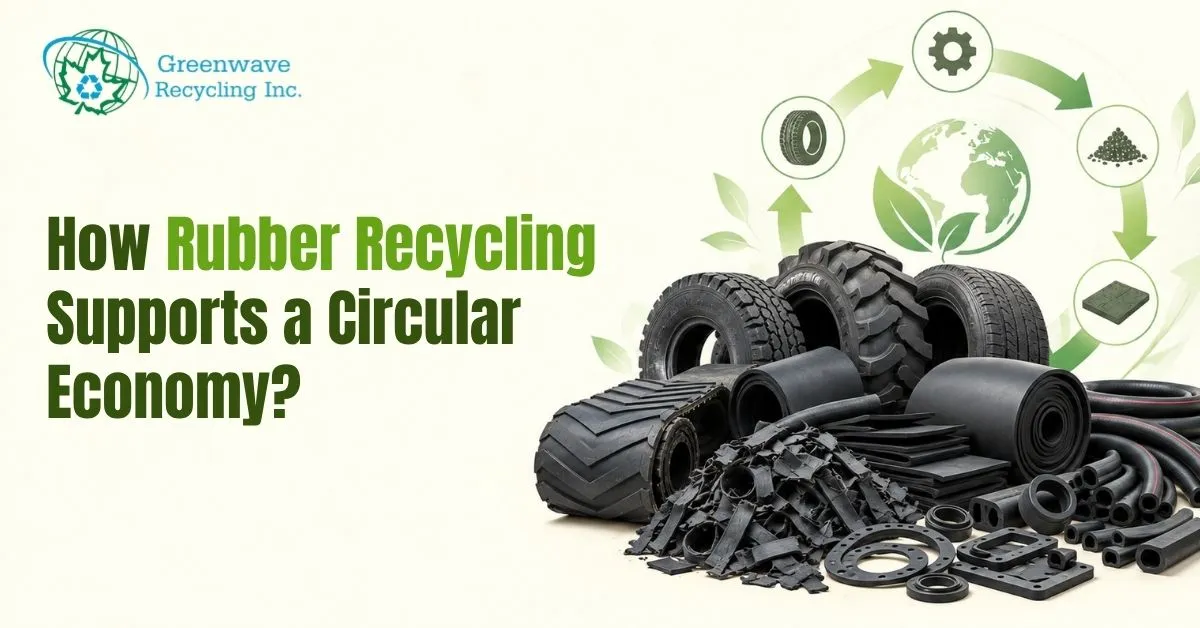
Rubber products are essential across manufacturing, mining, construction, transportation, and logistics. Conveyor belts, hoses, seals, gaskets, tyres, and other rubber components eventually reach the end of their useful life, creating a growing stream of industrial waste. Instead of sending these materials to landfill, businesses can recover their value through Rubber Recycling and keep useful resources in circulation.
This approach aligns closely with the principles of a circular economy, where materials are recovered, reused, and recycled rather than following a traditional take-make-dispose model.
What Is a Circular Economy for Rubber?
A circular economy aims to extend the useful life of materials for as long as possible. For rubber, this means finding opportunities to recover suitable materials after their original application and redirect them toward recycling or other productive uses.
Through effective rubber waste management, businesses can move away from disposal-focused practices and toward systems that prioritize material recovery. This helps reduce waste while making better use of resources already available within industrial supply chains.
How Does Rubber Recycling Support Resource Recovery?
One of the key principles of a circular economy is retaining the value of materials. Rubber products may contain recoverable material even after they are no longer suitable for their original purpose.
With proper collection, sorting, and processing, rubber material recovery can help divert suitable industrial rubber from landfill. Recovered material may then be processed for appropriate recycled rubber applications, depending on its composition and condition.
This can help businesses:
- Reduce industrial rubber waste
- Improve resource efficiency
- Recover valuable materials
- Reduce landfill dependency
- Support more sustainable operations
How Does It Reduce Industrial Waste?
Manufacturing and industrial operations can generate rubber scrap through production off-cuts, equipment replacement, damaged components, and worn-out products. Disposing of these materials can increase waste volumes and reduce opportunities for recovery.
A structured rubber waste recycling program provides businesses with a practical pathway for managing suitable scrap. Separating recyclable rubber at the point of generation can also reduce contamination and make downstream processing more efficient.
For industries producing regular volumes of rubber waste, consistent recovery can become an important part of their broader waste reduction strategy.
What Are the Environmental Benefits?
Keeping rubber materials out of landfill can contribute to better waste diversion and more responsible resource use. Recycling also reduces the need to treat every end-of-life rubber product as a disposal problem.
When businesses adopt sustainable rubber management, they can support several environmental objectives, including:
- Lower landfill waste
- Better use of existing materials
- Reduced demand for some virgin resources
- Improved material recovery
- Stronger circular economy practices
The environmental outcome depends on the type of rubber, contamination levels, processing method, and potential end use of the recovered material.
Looking to improve rubber waste recovery and support a circular economy? Contact Us to explore responsible recycling solutions for your business.
How Can Businesses Participate in the Circular Economy?
Businesses do not need to completely redesign their operations to begin improving rubber recovery. Practical steps can make a meaningful difference when applied consistently, and Rubber Recycling can become an effective part of this approach.
Organizations can:
- Identify rubber waste streams generated through production and maintenance.
- Separate suitable materials from general waste to reduce contamination.
- Store materials properly before collection and processing.
- Work with an experienced recycling provider that understands industrial rubber recovery.
- Track recovery performance to identify opportunities for improvement.
These measures can turn end-of-life rubber into a resource management opportunity rather than simply another waste stream.
Why Is Rubber Recycling Important for Sustainable Industry?
Industrial sustainability is increasingly focused on using resources efficiently and reducing avoidable waste. Recovering rubber supports these objectives by helping businesses retain material value and improve waste diversion.
For manufacturers, mining companies, construction businesses, and logistics operations, industrial rubber recycling can complement wider sustainability programs and contribute to responsible resource management. It also supports the broader transition toward production systems where materials remain useful for longer.
How Greenwave Supports Rubber Material Recovery
Greenwave Recycling helps businesses manage suitable industrial rubber waste through responsible collection and material recovery solutions. Materials such as conveyor belts, hoses, gaskets, seals, sheeting, and other rubber scrap can be directed toward appropriate recycling pathways based on their characteristics.
By supporting Rubber Recycling, businesses can improve waste diversion, recover useful materials, and contribute to circular economy objectives without treating valuable industrial resources as disposable waste.
Frequently Asked Questions
It keeps suitable rubber materials in productive use through recovery and recycling, reducing disposal and improving resource efficiency.
Suitable materials may include conveyor belts, hoses, gaskets, seals, rubber sheeting, tyres, and industrial rubber scrap, depending on their condition and composition.
Yes. Recovering suitable rubber materials can divert them from landfill and support more efficient waste management.
It helps businesses retain the value of existing materials, reduce waste, and support more sustainable resource management.
Manufacturing, mining, construction, transportation, logistics, and other industrial sectors can benefit from structured rubber recovery programs.
Conclusion
A circular economy depends on keeping valuable materials in use for as long as practical. Through Rubber Recycling, businesses can recover suitable end-of-life materials, reduce industrial waste, improve resource efficiency, and support more sustainable operations. For industries generating regular rubber scrap, responsible recovery is a practical step toward moving from a disposal-based model to a more circular approach to resource management.
Related Posts