High-density polyethylene (HDPE) pipes are widely used in water distribution, drainage, irrigation, construction, and industrial…
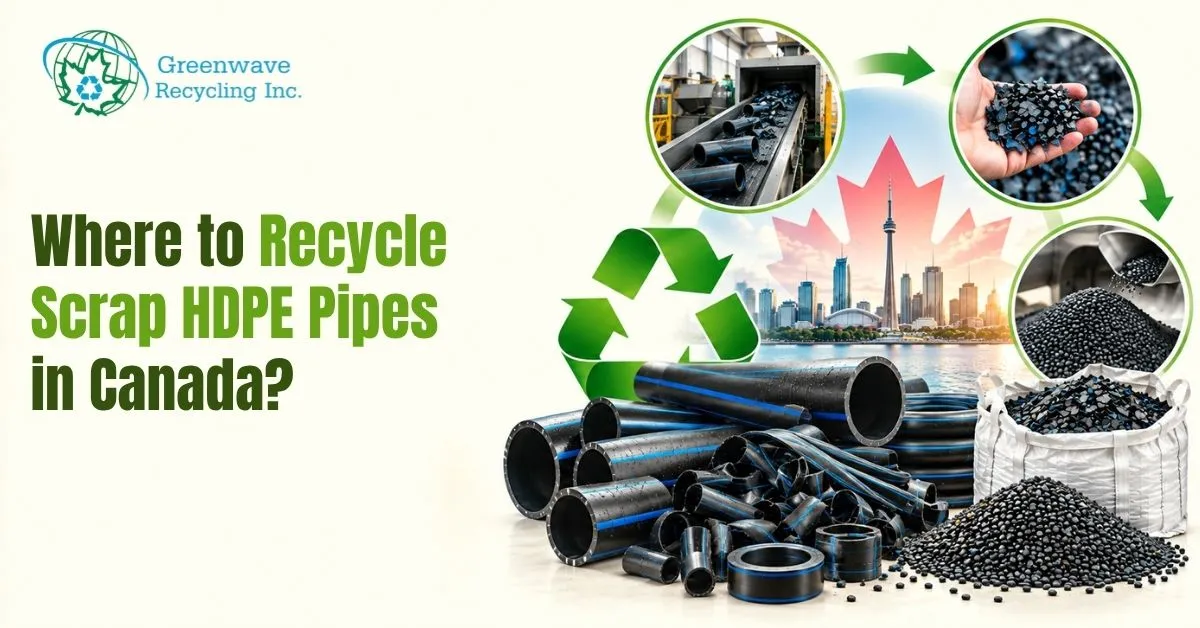
High-density polyethylene (HDPE) pipes are widely used in water distribution, drainage, irrigation, construction, and industrial infrastructure. Manufacturing offcuts, damaged pipes, rejected products, and unused inventory can create significant plastic waste. Finding a suitable recycling partner helps businesses manage these materials responsibly. Through HDPE Pipe Recycling, organisations can explore opportunities to recover usable plastic, reduce disposal, and improve industrial waste management.
Where Can Businesses Recycle Scrap HDPE Pipes in Canada?
Businesses can approach industrial plastic recycling companies that handle bulk plastic waste, manufacturing scrap, and construction materials. The right partner should understand HDPE pipe characteristics, material segregation, transportation, and suitable processing methods. Providers offering HDPE Pipe Recycling can help businesses assess eligible scrap and explore appropriate material recovery options.
When evaluating recycling options in Canada, consider:
- Industrial recycling providers: Look for companies experienced in managing post-industrial plastic waste and bulk scrap.
- Plastic waste recovery services: Ask whether the provider accepts HDPE pipes, offcuts, cuttings, and rejected products.
- Construction waste management partners: Contractors may be able to arrange recycling for eligible pipe waste generated during infrastructure projects.
- Specialised material recovery companies: Discuss material condition, contamination, quantity, and collection requirements before arranging delivery.
Not every facility accepts large-diameter pipes or mixed plastic loads. Confirm acceptance criteria and handling arrangements before transporting materials.
What Types of HDPE Pipe Scrap Can Be Recycled?
The suitability of scrap depends on its composition, condition, contamination, and the recycling facility’s capabilities. Common materials to discuss with a recycling provider include:
- Manufacturing offcuts and pipe cuttings
- Rejected or defective HDPE pipes
- Damaged pipes from construction and infrastructure projects
- Surplus or unused pipe inventory
- Clean, segregated post-industrial HDPE pipe scrap
Businesses can explore HDPE Pipe Recycling for these materials to identify suitable recovery options, depending on their quality and processing requirements.
Pipes containing excessive soil, chemical residues, metal fittings, or mixed materials may require additional preparation or may not be accepted. Accurate material information helps a recycling partner assess the appropriate recovery route.
Looking to recycle scrap HDPE pipes and reduce plastic waste? Contact Us to explore suitable recycling solutions for your business.
How Does HDPE Pipe Recycling Work?
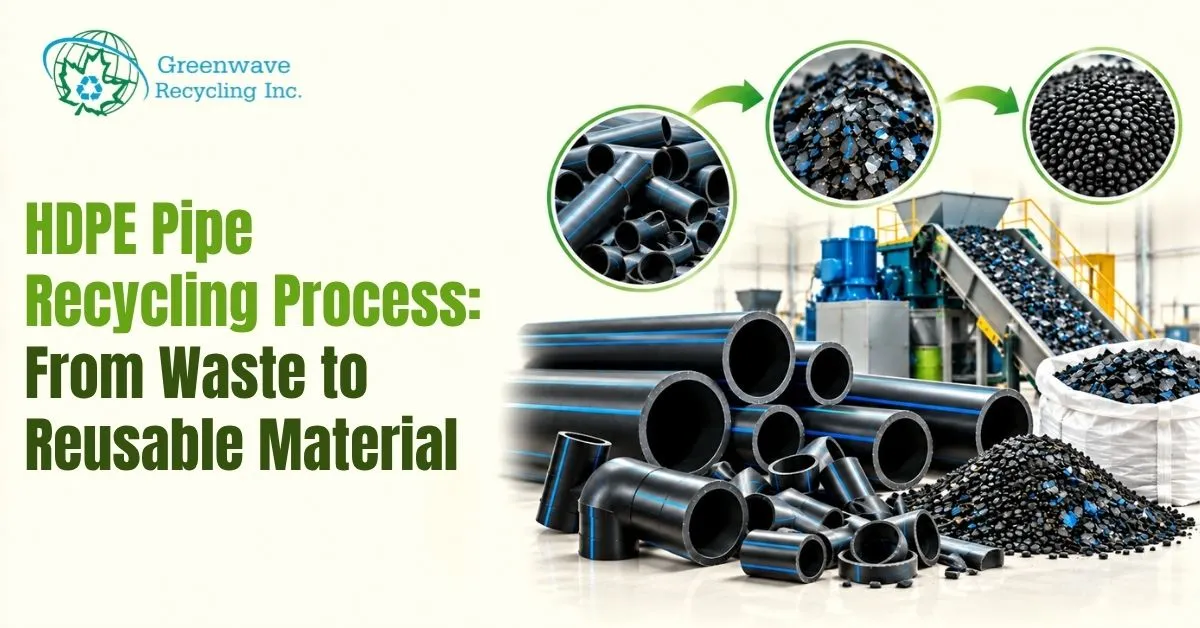
A typical HDPE Pipe Recycling programme follows several stages, depending on the material and processing facility.
- Collection and transportation: Scrap is gathered from manufacturing plants, construction sites, or industrial facilities.
- Sorting and inspection: Materials are checked for composition, condition, and contamination.
- Preparation: Pipes may require cleaning, removal of fittings, or cutting into manageable sections.
- Size reduction and processing: Suitable pipes may be shredded or mechanically reduced to prepare them for further processing.
- Material recovery: Recovered plastic is assessed for potential reuse in applications that meet the necessary quality requirements.
The exact process varies according to the available equipment and the intended use of the recovered material.
What to Check Before Choosing a Recycling Partner?
Before selecting a provider, businesses should confirm:
- Whether HDPE pipes and the specific scrap types are accepted
- Minimum or preferred material quantities
- Collection coverage and transportation arrangements
- Requirements for cleaning, segregation, and preparation
- How recovered materials are handled and what documentation is available
When evaluating providers for HDPE Pipe Recycling, sharing photographs, estimated quantities, pipe dimensions, and details about contamination can help the recycling partner assess the material more efficiently and recommend suitable recovery options.
Explore HDPE Pipe Recycling Solutions in Canada
For businesses managing manufacturing scrap, surplus inventory, or construction-related pipe waste, a suitable recycling partner can help identify practical recovery options. Greenwave Recycling works with businesses on HDPE Pipe Recycling for eligible scrap pipes, offcuts, rejected products, and surplus materials. Contact the team to discuss your material type, quantity, location, and collection requirements.
Frequently Asked Questions
You can contact industrial plastic recycling companies and material recovery providers to confirm whether they accept HDPE pipes and offer collection services in your area.
Yes, these materials may be suitable for recycling, depending on their composition, contamination levels, condition, and the facility’s acceptance requirements.
Cleaning requirements vary. Removing excessive dirt, residue, fittings, and other contaminants can help with assessment and processing, but confirm preparation requirements with the recycling provider first.
Some recycling providers handle bulk industrial materials. Businesses should confirm accepted quantities, transport arrangements, and any preparation requirements before scheduling collection.
Suitable pipes may be processed into recovered plastic material for potential manufacturing applications. The final use depends on material quality and the specifications of the intended product.
Conclusion
Recycling scrap HDPE pipes gives Canadian businesses an opportunity to manage plastic waste more responsibly while recovering potentially useful materials. Through HDPE Pipe Recycling, organisations can explore suitable recovery options by checking acceptance criteria, preparing materials appropriately, and choosing a reliable recycling partner. These steps help businesses make informed decisions about pipe scrap and improve their resource recovery practices.
Related Posts