
Manufacturing operations can generate rubber scrap through production offcuts, rejected components, trimming, damaged products, and…
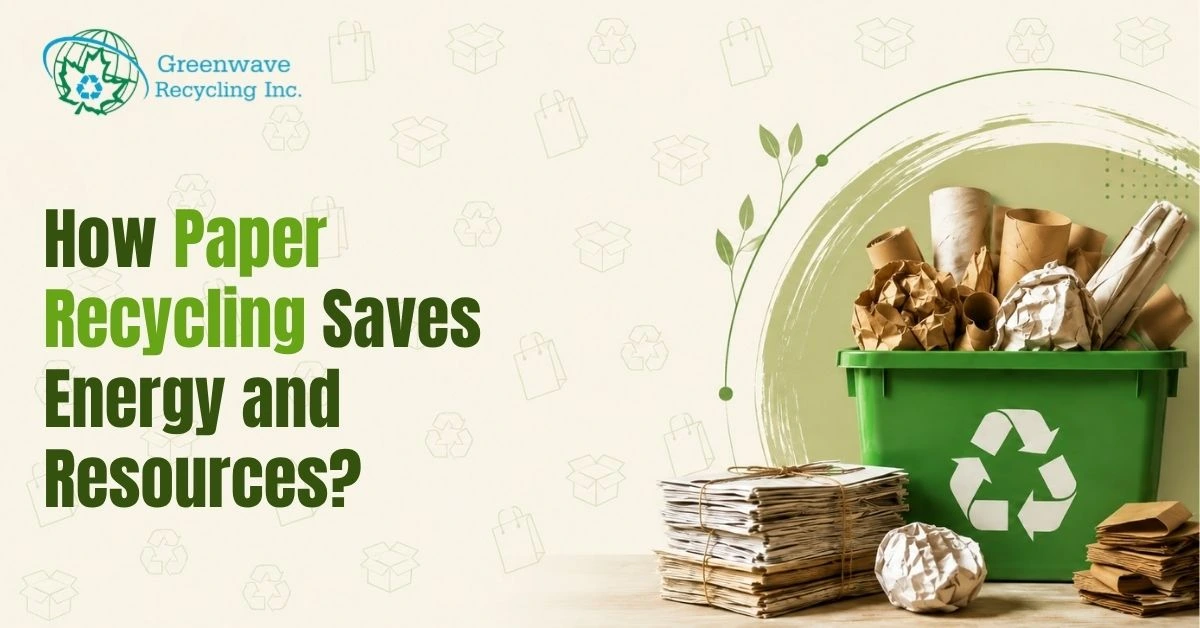
Paper is used extensively across offices, schools, businesses, warehouses, retail operations, packaging facilities, and manufacturing industries. As paper consumption increases, so does the amount of paper waste generated every day. Instead of sending used paper directly to landfill, businesses can recover and process it into reusable fibre. Paper Recycling provides an effective way to reduce waste while conserving energy, water, and other resources needed to produce paper from virgin materials.
Recycling paper also supports more responsible resource management. By keeping existing fibres in productive use, businesses can reduce their dependence on newly sourced raw materials and contribute to a more circular approach to manufacturing.
Why Paper Recycling Matters?
Paper production requires natural resources and energy throughout different stages of manufacturing. Trees must be harvested, raw materials processed, fibres prepared, and paper products manufactured before they reach consumers and businesses.
Recovering used paper through Paper Recycling helps reduce the need for some virgin raw materials while giving existing fibres another productive use.
Businesses can benefit from recycling by:
- Reducing paper waste
- Conserving natural resources
- Supporting energy efficiency
- Improving material recovery
- Reducing landfill dependency
- Strengthening sustainability initiatives
These benefits make paper recycling an important part of responsible waste management.
How Paper Recycling Saves Energy?
Producing paper from recovered fibres can require less energy than producing certain paper products entirely from virgin raw materials. Recycling reduces the need for some resource-intensive stages associated with obtaining and preparing new raw materials.
When businesses support Paper Recycling, recovered fibres can be processed and incorporated into new paper products. This reduces the need to continually source new raw materials and supports more efficient resource utilization.
Energy conservation through recycling contributes to:
- More efficient manufacturing
- Lower resource consumption
- Reduced environmental impact
- Better sustainability performance
- Responsible production practices
The actual energy savings can vary depending on the paper grade, recycling technology, processing requirements, and final product.
Conserving Forest Resources
Trees are an important source of virgin fibre used in paper manufacturing. Responsible forest management remains essential for maintaining healthy ecosystems and supporting long-term resource availability.
Recycling used paper allows recovered fibres to remain in circulation instead of requiring every paper product to depend entirely on newly sourced fibre.
Through Paper Recycling, businesses can support:
- Better fibre utilization
- Reduced demand for virgin materials
- Responsible resource management
- Sustainable manufacturing
- Circular economy objectives
Recycling does not eliminate the need for virgin fibre because paper fibres become shorter and weaker after repeated processing. However, recovering usable fibres can help make better use of available resources.
Reducing Water Consumption
Water is an important resource in paper manufacturing and recycling processes. Both virgin paper production and recycling require water, although the amount can vary depending on the process, technology, paper grade, and facility.
Efficient recycling systems can help improve overall resource utilization by recovering existing fibres instead of relying exclusively on newly sourced materials.
Responsible Paper Recycling supports broader resource conservation by encouraging businesses to manage paper waste as a recoverable material rather than simply treating it as disposable waste.
Reducing Landfill Waste
Paper makes up a significant portion of many commercial and industrial waste streams. When recyclable paper is sent to landfill, valuable fibres are lost and businesses miss an opportunity to recover reusable materials.
Recycling helps divert suitable paper waste from disposal and returns recovered fibres to productive use.
Organizations can use Paper Recycling to:
- Reduce landfill volumes
- Improve waste diversion
- Recover reusable fibres
- Strengthen recycling rates
- Support environmental goals
Reducing landfill dependency is particularly valuable for businesses that generate large amounts of office paper, packaging, cardboard, and other recyclable paper materials.
The Role of Recycled Printer Paper
Offices and commercial facilities generate substantial quantities of used printer paper through everyday activities such as printing reports, invoices, forms, and internal documents. Much of this material can be recovered when it is properly collected and separated.
Recycled Printer Paper demonstrates how recovered fibres can return to practical use. Instead of allowing used office paper to become waste, businesses can include it in structured recycling programs.
Proper collection helps organizations:
- Recover office paper efficiently
- Reduce unnecessary disposal
- Improve workplace recycling
- Conserve valuable fibres
- Support sustainability initiatives
Employees also play an important role by placing recyclable paper in designated collection containers and following established waste segregation procedures.
How Paper Waste Can Be Reused?
Not every piece of paper needs to be immediately discarded. Businesses can first look for opportunities to reuse paper before sending it for recycling.
Simple How to Reuse Paper Waste practices include:
- Using single-sided paper for internal notes
- Creating draft documents from used sheets
- Reusing suitable packaging paper
- Shredding paper for appropriate packing applications
- Collecting reusable paper separately
Reuse extends the useful life of paper before the material eventually enters the recycling stream.
Paper Recycling Ideas for Businesses
Businesses can improve their recycling performance by introducing practical systems that make paper recovery simple and consistent.
Useful Paper Recycling Ideas include:
- Placing clearly labelled recycling containers near printers
- Creating separate collection points for office paper and other materials
- Training employees on proper paper segregation
- Reducing unnecessary printing
- Reusing paper whenever practical
- Tracking recycling volumes
- Working with a reliable recycling provider
These initiatives can make recycling part of everyday workplace operations rather than treating it as an occasional activity.
Paper Recycling Process
The recycling process generally begins with collection and sorting. Recyclable paper is separated from unsuitable materials before it undergoes further processing.
Typical stages include:
- Collection – Used paper is gathered from offices, businesses, facilities, and other sources.
- Sorting – Different paper grades and unsuitable materials are separated.
- Processing – Paper is prepared and processed to recover usable fibre.
- Pulping – Suitable material is converted into pulp.
- Cleaning – Contaminants may be removed from the recovered fibre.
- Manufacturing – Recovered fibre can be used in the production of new paper products.
The exact process varies according to the paper grade, recycling facility, and intended end product.
Comparing Resource Benefits
| Resource | How Recycling Helps |
| Fibre | Recovers existing paper fibres for further use |
| Energy | Can reduce energy requirements for certain recycled paper products |
| Water | Supports more efficient resource utilization depending on processing methods |
| Landfill Space | Diverts recyclable paper from disposal |
| Raw Materials | Reduces reliance on newly sourced fibre for suitable applications |
These benefits demonstrate why recycling should be considered part of a broader resource management strategy rather than simply a waste disposal alternative.
Building a Better Paper Recycling Program
A successful recycling program requires more than placing bins around a facility. Businesses should create clear procedures that encourage employees to participate and reduce contamination.
An effective program should include:
- Clearly labelled collection containers
- Employee education
- Defined recycling procedures
- Regular collection schedules
- Material segregation
- Recycling performance monitoring
Businesses should also review their waste streams regularly. Understanding how much paper is generated and where it originates can help organizations identify opportunities for better recovery.
Looking to reduce paper waste and improve resource recovery? Contact Us to learn how Greenwave Recycling can support your business with responsible paper recycling solutions.
How Greenwave Supports Paper Recycling?
Greenwave Recycling provides paper recycling solutions that help businesses collect, process, and recover suitable paper materials. Its services support organizations seeking to reduce waste and improve resource recovery through responsible recycling practices.
Recyclable materials can include:
- Office paper
- Cardboard
- Newspapers
- Packaging materials
- Post-industrial paper
- Post-consumer paper
Through efficient collection and processing, Greenwave helps businesses recover valuable paper materials while supporting sustainability and circular economy objectives.
Frequently Asked Questions
Paper Recycling is the process of collecting, sorting, processing, and recovering usable fibres from discarded paper so they can be used in new products.
Recycling can reduce the need for some resource-intensive stages involved in producing paper from virgin materials. Energy savings vary according to the paper type and processing method.
Yes, many types of used printer and office paper can be recycled when they are properly collected and free from unsuitable contamination.
Businesses can reduce paper waste by limiting unnecessary printing, reusing suitable paper, implementing collection systems, and recycling recoverable materials.
Yes. Recovering paper fibres can reduce reliance on virgin fibre and help businesses make better use of existing resources.
Conclusion
Paper recycling provides businesses with a practical way to conserve resources, reduce waste, and support more sustainable operations. By recovering usable fibres, organizations can reduce landfill dependency and make better use of materials already in circulation. Paper Recycling also supports energy and resource conservation by reducing the need to rely exclusively on virgin materials for suitable paper products.
Combining recycling with paper reuse, responsible collection, employee participation, and efficient waste management allows businesses to create stronger sustainability programs. As resource conservation becomes increasingly important, responsible paper recovery can play a valuable role in building more efficient and environmentally responsible operations.
Related Posts