
Manufacturing operations can generate rubber scrap through production offcuts, rejected components, trimming, damaged products, and…
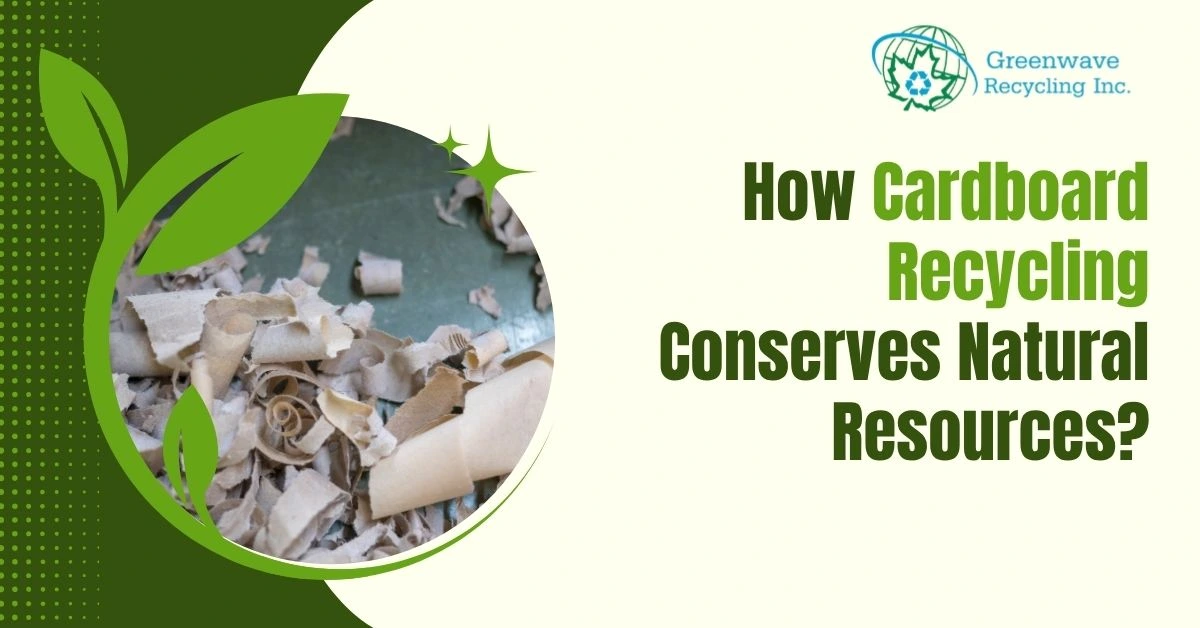
Cardboard is one of the most widely used packaging materials across manufacturing, warehousing, retail, logistics, and distribution industries. Every day, businesses generate significant quantities of cardboard through shipping cartons, packaging materials, and production processes. While cardboard is designed for durability and protection, it also represents a valuable resource that can be recovered and reused rather than discarded. Implementing Cardboard Recycling enables businesses to reduce waste, conserve natural resources, and support sustainable manufacturing through responsible material recovery.
As industries continue to strengthen their environmental commitments, recycling cardboard has become an essential part of efficient waste management and circular economy initiatives. Recovering used cardboard not only diverts waste from landfill but also helps preserve valuable raw materials for future use.
Why Cardboard Recycling Is Important?
Businesses rely heavily on cardboard for packaging, storage, and transportation because it is strong, lightweight, and recyclable. However, disposing of used cardboard in landfill results in the unnecessary loss of materials that can be recovered and reused.
Recovering materials through Cardboard Recycling helps organizations:
- Reduce landfill waste
- Conserve natural resources
- Improve resource recovery
- Support sustainability initiatives
- Strengthen environmental performance
These benefits make cardboard recycling an important strategy for businesses seeking more responsible waste management practices.
| Environmental Benefit | How Cardboard Recycling Helps |
| Resource Conservation | Reduces demand for virgin fibre |
| Landfill Diversion | Keeps recyclable cardboard out of landfill |
| Material Recovery | Returns valuable fibres to production |
| Sustainability | Supports environmental initiatives |
| Circular Economy | Extends the lifecycle of paper fibres |
Conserving Valuable Natural Resources
Producing new cardboard requires raw materials, including wood fibres and other natural resources. Recovering used cardboard reduces the need to extract new resources while helping preserve forests and improve material efficiency.
Recovering valuable fibres through Cardboard Recycling allows businesses to make better use of existing materials while supporting sustainable production practices.
Resource conservation helps organizations:
- Reduce demand for virgin materials
- Improve resource efficiency
- Support sustainable manufacturing
- Strengthen environmental responsibility
Protecting natural resources also contributes to long-term environmental sustainability.
Reducing Landfill Waste
Large quantities of cardboard are discarded every year despite being highly recyclable. Sending these materials to landfill increases waste volumes while preventing valuable fibres from being recovered.
Recovering cardboard through Cardboard Recycling helps businesses reduce landfill dependency while improving waste diversion and material recovery.
Benefits include:
- Reduced landfill waste
- Better waste management
- Improved recycling rates
- Responsible resource utilization
- Enhanced sustainability performance
Reducing landfill waste also supports cleaner industrial operations and more responsible environmental practices.
Recovering Valuable Paper Fibres
Used cardboard contains fibres that can be recovered and reused in the production of new paper products and packaging materials. Rather than allowing these materials to become waste, businesses can return them to the manufacturing cycle.
By supporting Cardboard Recycling, organizations help:
- Recover reusable fibres
- Reduce raw material consumption
- Improve manufacturing efficiency
- Extend material lifecycles
- Promote responsible resource management
Material recovery strengthens sustainability while reducing the environmental impact of production.
Supporting Sustainable Manufacturing
Manufacturers are increasingly adopting environmentally responsible production methods that reduce waste and improve resource utilization. Recycled cardboard provides an opportunity to recover valuable fibres without relying solely on virgin materials.
Implementing Cardboard Recycling contributes to:
- Better resource management
- Reduced production waste
- Improved sustainability performance
- Efficient material recovery
- Responsible manufacturing practices
These improvements support long-term industrial sustainability while conserving valuable natural resources.
Strengthening the Circular Economy
A circular economy encourages businesses to recover, recycle, and reuse valuable materials instead of disposing of them after a single use. Cardboard is well suited to this approach because recovered fibres can be processed into new products multiple times.
Through Cardboard Recycling, businesses help:
- Keep valuable materials in circulation
- Reduce unnecessary waste
- Improve resource recovery
- Support sustainable production
- Strengthen circular economy initiatives
Circular economy practices create long-term environmental and operational benefits while improving resource efficiency.
Improving Business Sustainability
Sustainability has become an important priority for organizations across many industries. Customers, stakeholders, and business partners increasingly expect businesses to demonstrate responsible environmental practices.
By investing in Cardboard Recycling, organizations can:
- Improve sustainability reporting
- Reduce environmental impact
- Strengthen ESG initiatives
- Improve waste management
- Support long-term environmental objectives
These initiatives help businesses create measurable environmental value while supporting responsible growth.
Looking to improve sustainability through responsible Cardboard Recycling? Contact Us to discover how Greenwave Recycling can support your recycling goals.
Choosing the Right Recycling Partner
An effective recycling program depends on working with an experienced recycling provider that understands industrial waste management and material recovery. Choosing a partner with expertise in Cardboard Recycling helps businesses improve recovery rates while supporting sustainability goals.
When selecting a recycling provider, businesses should consider:
- Industry experience
- Reliable collection services
- Material recovery expertise
- Responsible recycling practices
- Efficient logistics
- Environmental compliance
Working with an experienced recycling partner helps organizations recover valuable materials while improving operational efficiency and environmental performance.
How Greenwave Supports Cardboard Recycling?
Greenwave Recycling provides reliable cardboard recycling solutions that help businesses recover valuable paper fibres through responsible collection, processing, and material recovery.
Its services support:
- Cardboard recovery
- Packaging material recycling
- Industrial paper recycling
- Material recovery
- Waste diversion
- Circular economy initiatives
Through efficient logistics and environmentally responsible recycling practices, Greenwave helps businesses transform used cardboard into reusable raw materials while supporting long-term sustainability.
Frequently Asked Questions
Cardboard Recycling helps reduce landfill waste, conserve natural resources, recover valuable fibres, and support sustainable manufacturing.
It reduces the demand for virgin wood fibres by recovering and reusing existing paper materials.
Manufacturing, warehousing, retail, logistics, packaging, and distribution businesses all benefit from structured recycling programs.
Yes. Recovered fibres can be processed into new cardboard, paper products, and packaging materials.
It improves resource recovery, reduces waste, conserves natural resources, and supports circular economy initiatives.
Professional recycling providers offer efficient collection, responsible processing, material recovery expertise, and customized recycling solutions.
Conclusion
Recovering valuable cardboard materials plays an important role in conserving natural resources and supporting sustainable business operations. Through Cardboard Recycling, organizations can reduce landfill waste, recover reusable fibres, improve resource efficiency, and contribute to a stronger circular economy. By implementing responsible recycling programs, businesses create long-term environmental benefits while strengthening operational sustainability.
Related Posts