
As industries across Canada continue to prioritize sustainability, improving resource efficiency has become a key…
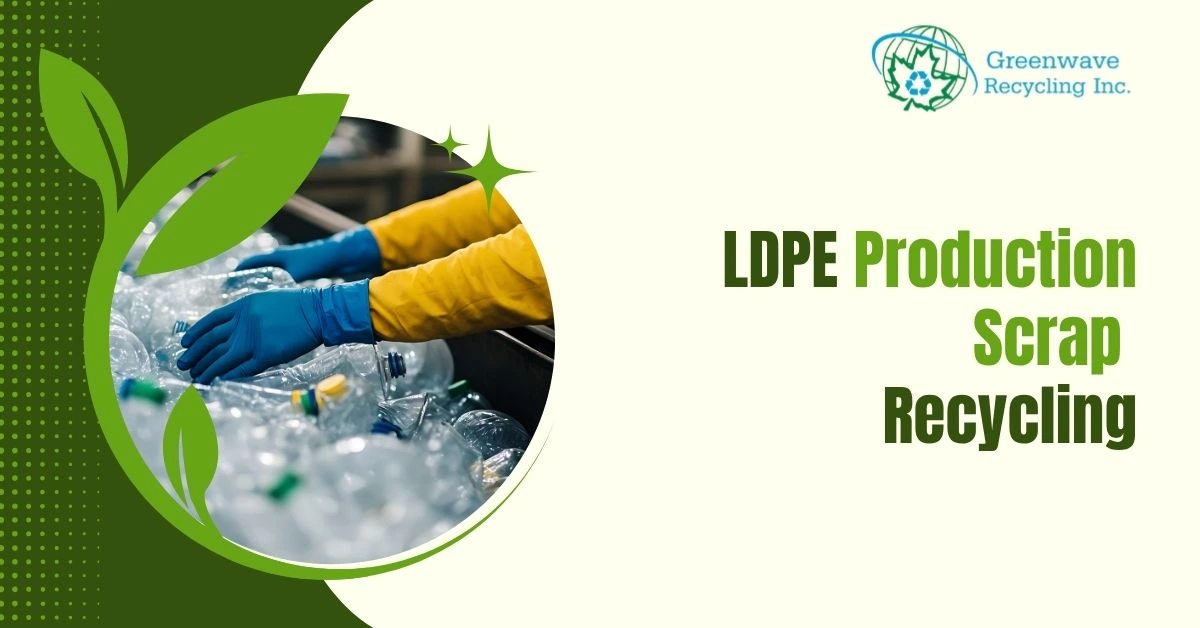
Managing industrial plastic waste has become essential for manufacturers aiming to improve efficiency and sustainability. LDPE Scrap Recycling plays a key role in handling production waste generated during cutting, trimming, and moulding processes. Instead of discarding this material, industries can recover and reuse it, reducing both environmental impact and production costs.
LDPE (Low-Density Polyethylene) scrap is highly recyclable and can be processed into reusable raw material for various applications. By adopting structured LDPE Scrap Recycling methods, manufacturers can create a circular production system where waste is minimized and resources are used efficiently. This approach supports long-term sustainability and improves overall operational performance.
What is LDPE Scrap and Why Recycling is Important?
LDPE production scrap refers to leftover plastic material generated during manufacturing processes such as film production, packaging, and industrial moulding. This scrap is often clean and suitable for reprocessing, making it an ideal material for reuse rather than disposal.
Recycling this material through LDPE Scrap Recycling helps industries reduce landfill waste and conserve raw materials. It also lowers production costs by reintroducing processed plastic into the manufacturing cycle. Proper recycling ensures that valuable materials are utilized effectively instead of being wasted.
Step-by-Step LDPE Production Scrap Recycling Process
The recycling of LDPE scrap follows a structured process to ensure that the material is converted into high-quality reusable form. Each stage is important for maintaining consistency and performance in the final recycled output.
In LDPE Scrap Recycling, the material is first collected and sorted, followed by cleaning to remove impurities. It is then shredded into smaller pieces, melted under controlled conditions, and converted into pellets for reuse. This process ensures efficiency, quality, and consistency throughout the recycling cycle.
Understanding the process stages helps industries manage operations more efficiently. The table below provides a clear overview of how Plastic Recycling works in LDPE production.
| Stage | Process Description | Purpose |
| Collection | Gathering LDPE scrap from production | Ensures proper material flow |
| Cleaning | Removing contaminants | Improves quality of recycled material |
| Shredding | Breaking into small pieces | Prepares for melting |
| Melting | Heating material under control | Converts into usable form |
| Pelletizing | Creating reusable pellets | Ready for manufacturing reuse |
Benefits of Plastic Recycling in LDPE Production
Implementing LDPE Scrap Recycling provides multiple benefits that improve both operational efficiency and environmental sustainability. It helps industries manage waste effectively while optimizing resource usage.
Recycling also reduces the need for new raw materials, which lowers production costs. By adopting LDPE Scrap Recycling, manufacturers can improve productivity, reduce environmental impact, and create a more sustainable manufacturing process.
Key Benefits:
- Reduction in industrial waste
- Lower raw material costs
- Improved production efficiency
- Reduced environmental impact
- Support for sustainable practices
Quality Control in LDPE Plastic Recycling Process
Maintaining consistent quality is essential in LDPE Scrap Recycling to ensure that recycled material meets industrial standards. Without proper quality control, impurities or inconsistencies can affect performance in manufacturing applications.
Quality control involves monitoring each stage of LDPE Scrap Recycling, including cleaning, melting, and pelletizing. Regular inspection and testing help ensure uniformity and reliability, allowing industries to confidently reuse recycled material.
Looking to improve your LDPE waste management with efficient Plastic Recycling solutions? Contact us today for expert guidance and reliable industrial recycling support.
Equipment Used in LDPE Scrap Recycling
The efficiency of LDPE Scrap Recycling depends on the machinery used in the process. Modern equipment is designed to handle large volumes of scrap while maintaining consistent quality and output.
Common machines used in LDPE Scrap Recycling include shredders, washing units, extruders, and pelletizers. Each plays a specific role in converting scrap into reusable material. Proper maintenance of equipment ensures smooth operation and improved efficiency.
Common Equipment:
- Shredders for size reduction
- Washing units for cleaning material
- Extruders for melting and processing
- Pelletizers for producing reusable granules
- Conveyors for material handling
Challenges in LDPE Scrap Recycling and Solutions
LDPE recycling processes can face challenges such as contamination, improper segregation, and inconsistent processing. These issues can affect the quality of recycled material and limit its usability in production.
However, these challenges can be addressed through proper LDPE Scrap Recycling practices such as effective sorting, cleaning, and quality control systems. Using the right processes ensures consistent output and better performance of recycled material.
How to Improve Efficiency in LDPE Recycling Operations?
Improving efficiency requires proper planning, advanced technology, and process optimization. Industries must focus on each stage of the recycling process to achieve better output and consistency.
Using modern systems and maintaining proper segregation improves LDPE Scrap Recycling efficiency. Regular monitoring and process improvements help ensure consistent quality and higher productivity in recycling operations.
Improvement Tips:
- Ensure proper segregation of waste
- Use efficient recycling machinery
- Maintain quality control processes
- Train staff for correct handling
- Monitor operations regularly
Future of Plastic Recycling in Manufacturing Industry
The future of manufacturing is moving towards sustainable practices, and LDPE Scrap recycling will play a key role in this transformation. Industries are adopting new technologies to improve recycling efficiency and reduce waste.
As sustainability becomes a priority, LDPE Scrap reuse will become more integrated into production systems. This will help industries improve efficiency while reducing environmental impact.
Frequently Asked Questions
Proper segregation, cleaning, and controlled processing help maintain quality in LDPE Scrap Recycling. Regular checks ensure consistent output.
Clean and uncontaminated scrap like film waste and trims is best for LDPE Scrap Recycling. It improves efficiency and output quality.
Using efficient machines and proper temperature control helps reduce loss in LDPE Scrap Recycling. Regular maintenance also improves recovery.
Yes, material from LDPE Scrap Recycling can often be reused depending on quality requirements. Monitoring consistency is important.
Inconsistent pellets, contamination, and reduced strength indicate issues in LDPE Scrap Recycling. These are usually due to poor processing.
Conclusion
Recycling LDPE Scrap is an essential practice for modern manufacturing industries aiming to improve efficiency and sustainability. By implementing structured recycling processes, manufacturers can convert waste into valuable resources and reduce environmental impact. This approach helps improve productivity and reduce costs.
As industries continue to focus on sustainable practices, the use of LDPE Scrap Recycling will become increasingly important. Proper recycling and reuse ensure long-term efficiency, better resource utilization, and responsible waste management.
Related Posts