Industrial operations can generate substantial quantities of plastic waste through manufacturing, packaging, production processes, maintenance…
Manufacturing operations can generate rubber scrap through production offcuts, rejected components, trimming, damaged products, and other industrial processes. Treating this material only as waste can increase disposal volumes and reduce opportunities for resource recovery. A structured Rubber Recycling approach can help manufacturers manage suitable scrap more efficiently while supporting waste reduction and responsible resource use.
Understanding Manufacturing Rubber Scrap
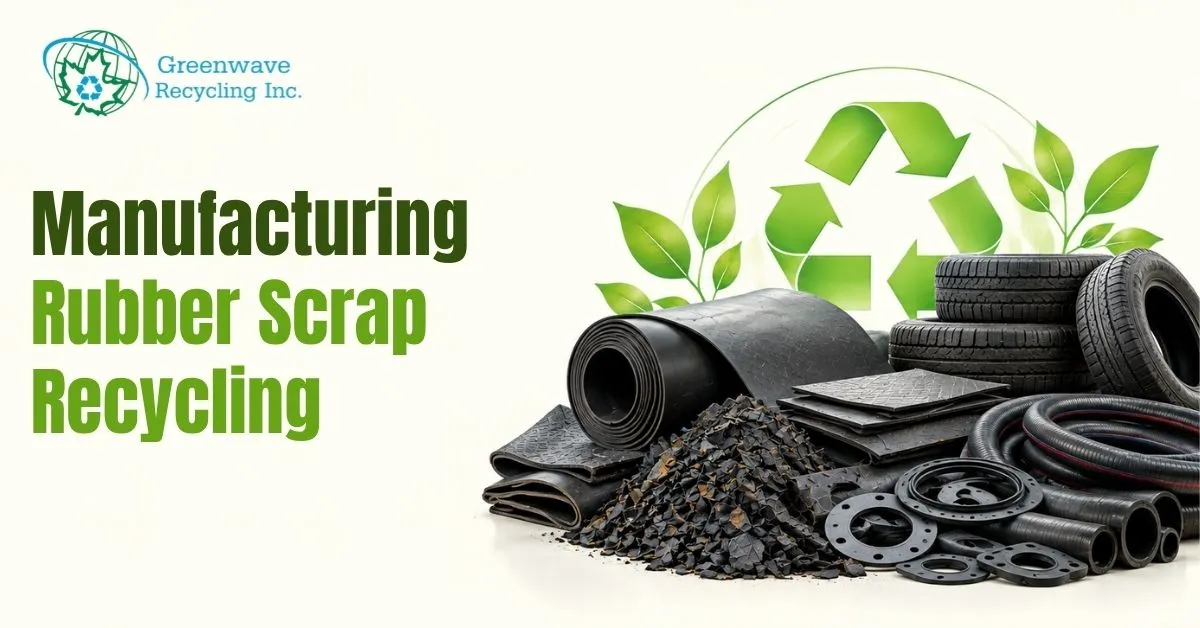
Rubber scrap can vary considerably depending on its source, composition, condition, and manufacturing process. Common examples may include production offcuts, rubber sheets, gaskets, seals, hoses, conveyor belt sections, and other rubber-based components.
Identifying different rubber waste streams at the source is an important first step. Proper segregation can reduce contamination and help businesses direct suitable materials toward the appropriate Rubber Recycling and recovery pathway.
Why Rubber Scrap Recycling Matters?
Manufacturing facilities can generate substantial quantities of rubber waste over time. If recyclable material is mixed with general waste, valuable resources may be lost and disposal requirements can increase.
Effective Rubber Scrap Recycling allows suitable materials to be collected and processed for potential further applications. This can help manufacturers reduce landfill dependence while improving the overall management of production waste.
Key Steps in Rubber Scrap Recycling
A structured recycling programme generally begins with collection and segregation. Manufacturers can use effective Rubber Recycling practices to separate suitable scrap according to material type, condition, and processing requirements.
Depending on the material, the recycling process may involve:
- Collection of rubber production scrap
- Sorting and segregation
- Removal of contaminants
- Size reduction or shredding
- Processing into recovered rubber material
- Preparation for suitable end applications
The specific processing pathway depends on the characteristics of the rubber and the capabilities of the recycling facility.
Supports Better Rubber Waste Management
Manufacturers can improve waste handling by establishing dedicated collection points and clear segregation procedures. Keeping rubber scrap separate from plastics, metals, general waste, and other contaminants can make recovery more practical.
Integrating Rubber Waste Recycling into broader waste management systems can help businesses track material volumes and identify opportunities to improve resource recovery. Consistent procedures can also make industrial waste handling more organised.
Looking to improve rubber scrap recovery and reduce industrial waste? Contact Us to explore responsible Rubber Recycling solutions for your business.
Recovers Valuable Industrial Materials
Suitable rubber scrap does not necessarily need to become a disposal burden. Through appropriate processing, recovered rubber materials may be directed toward different secondary applications depending on their quality and characteristics.
The Rubber Material Recovery can help manufacturers retain useful resources within productive cycles. The actual applications depend on factors such as rubber composition, contamination, processing methods, and the requirements of the final product.
Supports Sustainable Manufacturing
Manufacturers are increasingly looking for practical ways to reduce waste and improve resource efficiency. Recycling production scrap can form part of a broader environmental strategy without requiring businesses to overlook their operational requirements.
By incorporating Industrial Rubber Recycling into waste management programmes, manufacturers can reduce avoidable disposal, support material recovery, and contribute to more responsible resource use. These practices can also align with circular economy principles by keeping suitable materials in use for longer.
Choosing a Rubber Recycling Partner
The right recycling partner can make rubber scrap recovery more consistent and efficient. Businesses considering Rubber Recycling should evaluate a provider’s experience with industrial rubber waste, collection capabilities, sorting and processing infrastructure, contamination management, and material handling practices.
A suitable partner can help manufacturers establish a reliable recovery pathway for production scrap while supporting responsible waste management.
Frequently Asked Questions
Manufacturing rubber scrap recycling involves collecting, sorting, processing, and recovering suitable rubber materials generated during production activities.
Depending on composition and condition, suitable materials may include production offcuts, sheets, gaskets, seals, hoses, conveyor belt sections, and other rubber-based scrap.
Proper segregation helps reduce contamination and allows different rubber materials to be directed toward suitable processing and recovery pathways.
Rubber Recycling can help manufacturers reduce disposal volumes, recover suitable materials, improve resource efficiency, and support more responsible waste management.
Recovered rubber may be suitable for various secondary applications depending on its composition, quality, processing method, and the requirements of the final application.
Conclusion
Manufacturing rubber scrap represents an opportunity for businesses to improve resource recovery rather than relying solely on disposal. Through proper segregation, collection, processing, and responsible material handling, suitable scrap can remain within productive resource cycles. A structured Rubber Recycling programme can help manufacturers reduce waste, improve material efficiency, and support more sustainable industrial operations.
Related Posts