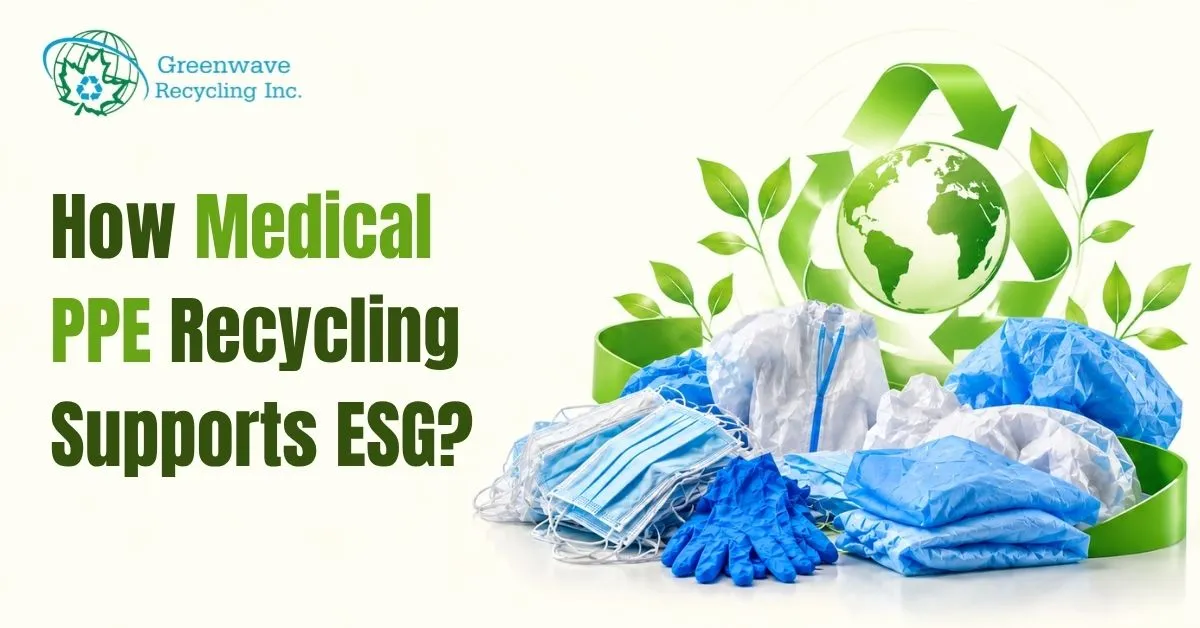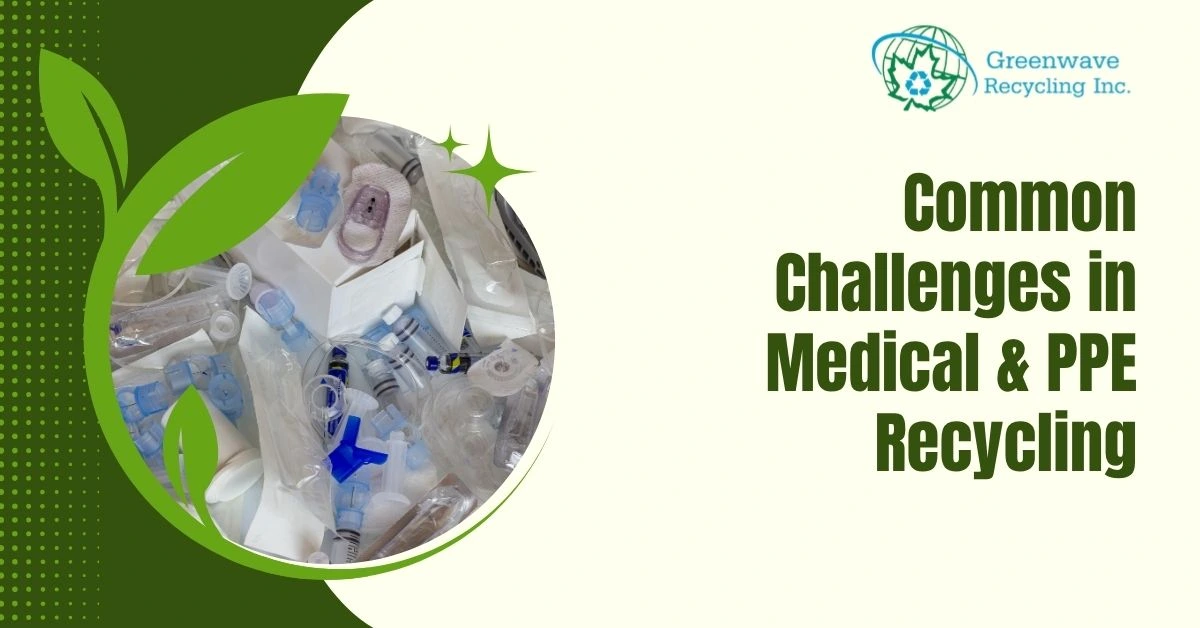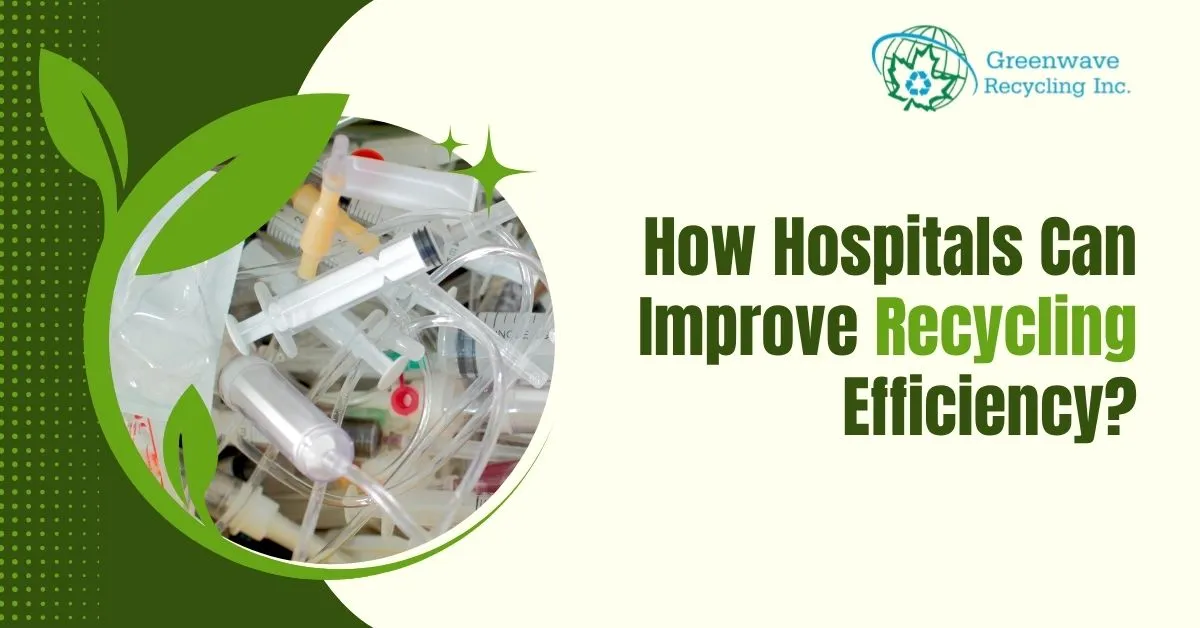

Healthcare facilities generate large volumes of personal protective equipment (PPE), including gloves, masks, gowns, aprons,…
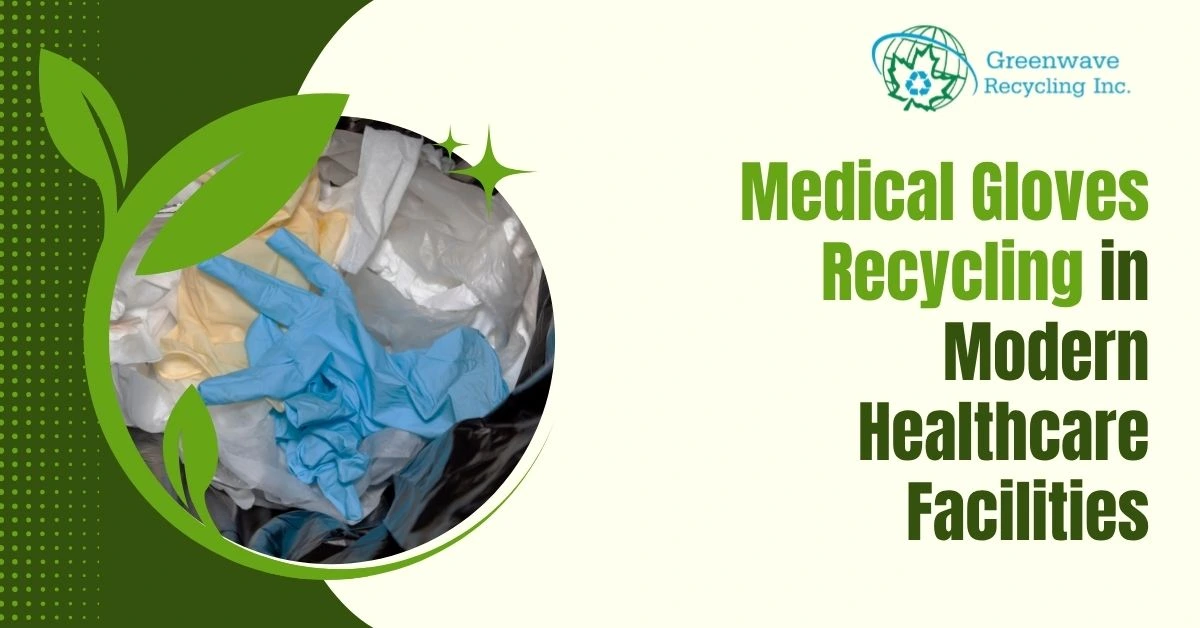
Medical gloves are an essential part of infection prevention and patient safety across hospitals, clinics, laboratories, and healthcare facilities. Every day, large quantities of disposable gloves are used during medical procedures, examinations, and routine healthcare operations. While these products play a critical role in protecting healthcare professionals and patients, they also contribute significantly to the growing volume of healthcare waste. Implementing Medical Gloves Recycling programs allows healthcare organizations to recover suitable materials, reduce landfill waste, and strengthen sustainability efforts without compromising safety or regulatory compliance.
As healthcare facilities continue to prioritize environmental responsibility, recycling medical gloves has become an important strategy for improving resource recovery and supporting a circular economy.
Why Medical Gloves Recycling Is Important?
Disposable medical gloves are widely used because they provide effective protection against contamination and infection. However, the high consumption of gloves also generates substantial waste that requires responsible management.
By implementing Medical Gloves Recycling, healthcare facilities can:
- Reduce landfill waste
- Recover valuable recyclable materials
- Improve sustainability performance
- Support responsible resource management
- Contribute to circular economy initiatives
Recovering suitable glove materials helps healthcare organizations reduce their environmental footprint while maintaining high safety standards.
| Benefit | Impact on Healthcare Facilities |
| Landfill Reduction | Diverts recyclable glove materials from landfill |
| Resource Recovery | Recovers valuable materials for future use |
| Sustainability | Supports environmental objectives |
| Compliance | Promotes responsible waste management |
| Circular Economy | Keeps recyclable materials in productive use |
Types of Medical Gloves Used in Healthcare
Healthcare facilities use different types of disposable gloves depending on medical procedures and operational requirements. Understanding glove materials helps organizations identify suitable recycling opportunities.
Common glove types include:
- Nitrile gloves
- Surgical gloves
- Examination gloves
- Disposable protective gloves
- Medical-grade protective gloves
Proper identification of recyclable glove materials improves recovery rates while supporting responsible waste management.
Collection and Safe Handling
The first stage of an effective recycling program involves collecting used gloves through secure handling procedures. Healthcare facilities should establish designated collection systems that separate recyclable materials from non-recyclable waste wherever appropriate.
Well-organized Medical Gloves Recycling programs improve collection efficiency while supporting safe workplace practices.
Effective collection systems help:
- Improve waste segregation
- Reduce contamination
- Maintain workplace safety
- Support efficient recycling operations
Proper handling also helps preserve the quality of recyclable materials before processing.
Sorting and Material Recovery
After collection, recyclable glove materials are inspected and sorted before processing begins. Separating recyclable materials from unsuitable waste improves recovery efficiency and helps maintain recycling quality.
During Medical Gloves Recycling, sorting procedures help:
- Identify recyclable glove materials
- Reduce contamination
- Improve processing efficiency
- Increase material recovery
- Support responsible recycling
Accurate sorting ensures valuable materials remain suitable for downstream recycling applications.
Supporting Sustainability in Healthcare
Healthcare organizations are increasingly adopting sustainability initiatives to reduce waste and improve environmental performance. Recycling programs play an important role in achieving these objectives by recovering valuable materials instead of sending them to landfill.
Implementing Medical Gloves Recycling helps facilities:
- Improve sustainability reporting
- Reduce landfill dependency
- Support environmental stewardship
- Strengthen resource recovery
- Promote responsible healthcare practices
These efforts contribute to cleaner healthcare operations while supporting long-term sustainability goals.
Reducing Landfill Waste
Landfill diversion has become a priority for many healthcare organizations seeking more sustainable waste management practices. Recovering recyclable glove materials reduces unnecessary waste while conserving valuable resources.
Recovering suitable materials through Medical Gloves Recycling helps organizations:
- Improve waste diversion
- Reduce disposal volumes
- Recover reusable materials
- Strengthen sustainability initiatives
- Support responsible environmental practices
Reducing landfill waste also contributes to more efficient resource utilization across the healthcare sector.
Looking for a reliable Medical Gloves Recycling solution? Contact Us to discover how Greenwave Recycling can support your healthcare sustainability goals.
Meeting Regulatory Requirements
Healthcare recycling programs must operate within established environmental and safety regulations. Collection, transportation, documentation, and processing procedures should support responsible waste management while maintaining compliance.
Organizations should focus on:
- Secure collection
- Proper documentation
- Material traceability
- Safe transportation
- Environmental compliance
Following these practices helps healthcare facilities maintain effective Medical Gloves Recycling programs while reducing operational risks.
Building an Effective Recycling Program
Successful recycling programs require planning, staff participation, and continuous monitoring. Healthcare organizations should establish clear procedures that encourage responsible waste handling while improving recycling performance.
Important elements include:
- Staff training
- Waste segregation procedures
- Clearly labelled collection systems
- Routine performance reviews
- Continuous process improvement
A structured Medical Gloves Recycling program helps facilities recover more materials while supporting long-term sustainability objectives.
How Greenwave Supports Medical Gloves Recycling?
Greenwave Recycling provides safe and sustainable recycling solutions for healthcare facilities across Canada. Through secure collection, responsible processing, and environmentally responsible material recovery, Greenwave helps organizations recycle suitable PPE materials while reducing landfill waste.
Its services include:
- Secure collection and transportation
- Material sorting and processing
- Recovery of recyclable PPE plastics
- Compliance documentation
- Responsible material recovery
These services help healthcare organizations strengthen sustainability while supporting safe and compliant recycling operations.
Frequently Asked Questions
Medical Gloves Recycling involves collecting, sorting, and processing suitable glove materials so they can be recovered and reused responsibly.
It helps reduce landfill waste, recover valuable materials, improve sustainability, and support responsible healthcare waste management.
Suitable disposable gloves, including certain nitrile and medical protective gloves, may be accepted depending on recycling program requirements.
It improves resource recovery, reduces waste, supports circular economy initiatives, and strengthens environmental performance.
Proper segregation improves recycling efficiency by reducing contamination and increasing the recovery of recyclable materials.
Conclusion
As healthcare facilities continue to strengthen their environmental commitments, Medical Gloves Recycling has become an important component of sustainable waste management. By recovering suitable glove materials, reducing landfill waste, and supporting responsible resource recovery, healthcare organizations can improve sustainability while maintaining high standards of safety and compliance. Implementing structured recycling programs allows facilities to contribute to a cleaner, more resource-efficient healthcare system.
Related Posts