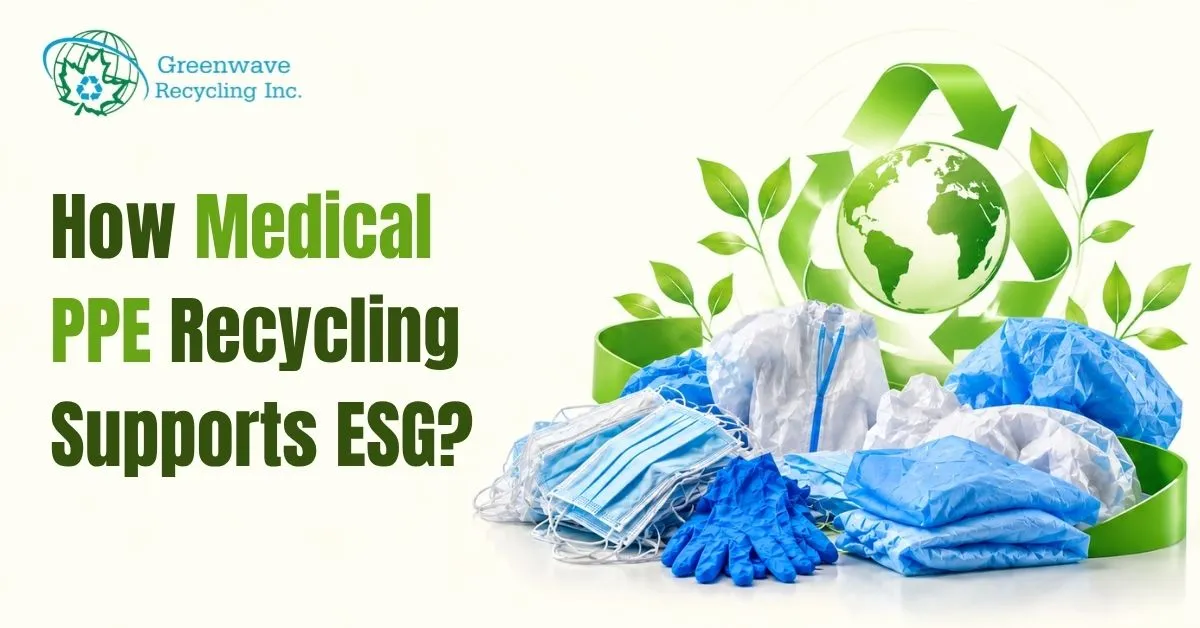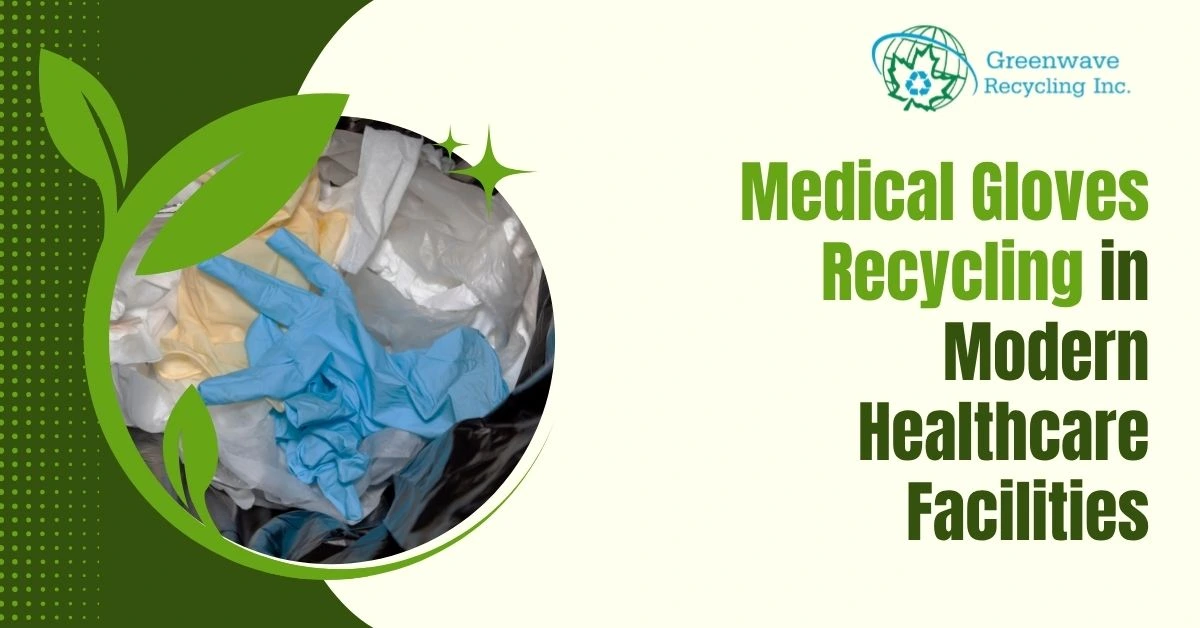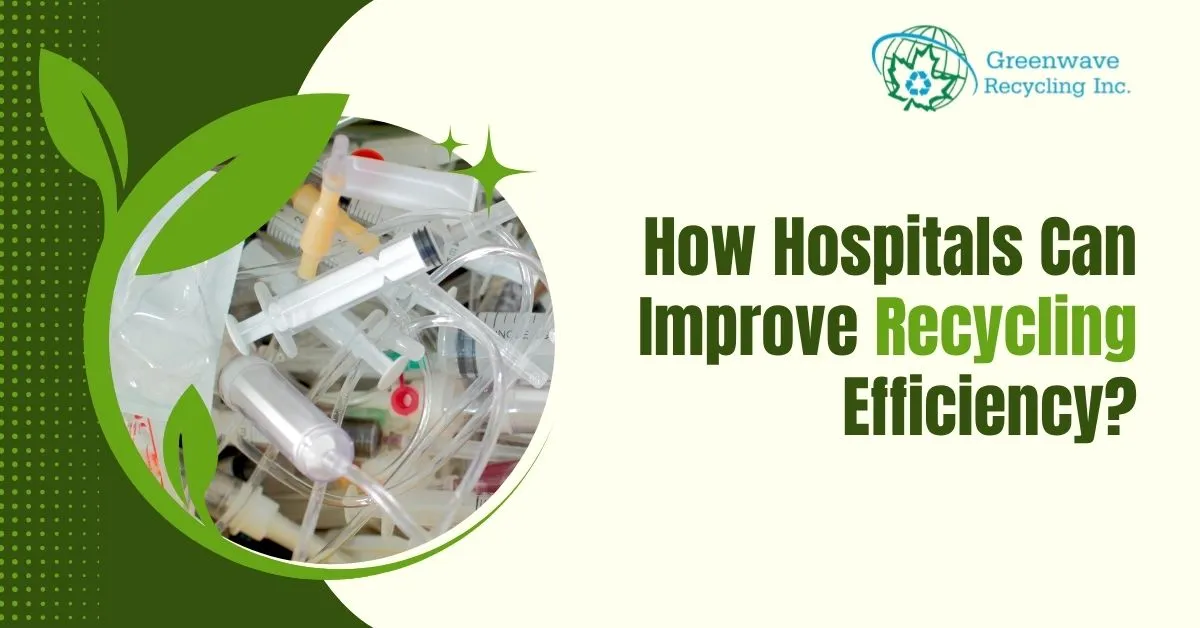

Healthcare facilities generate large volumes of personal protective equipment (PPE), including gloves, masks, gowns, aprons,…
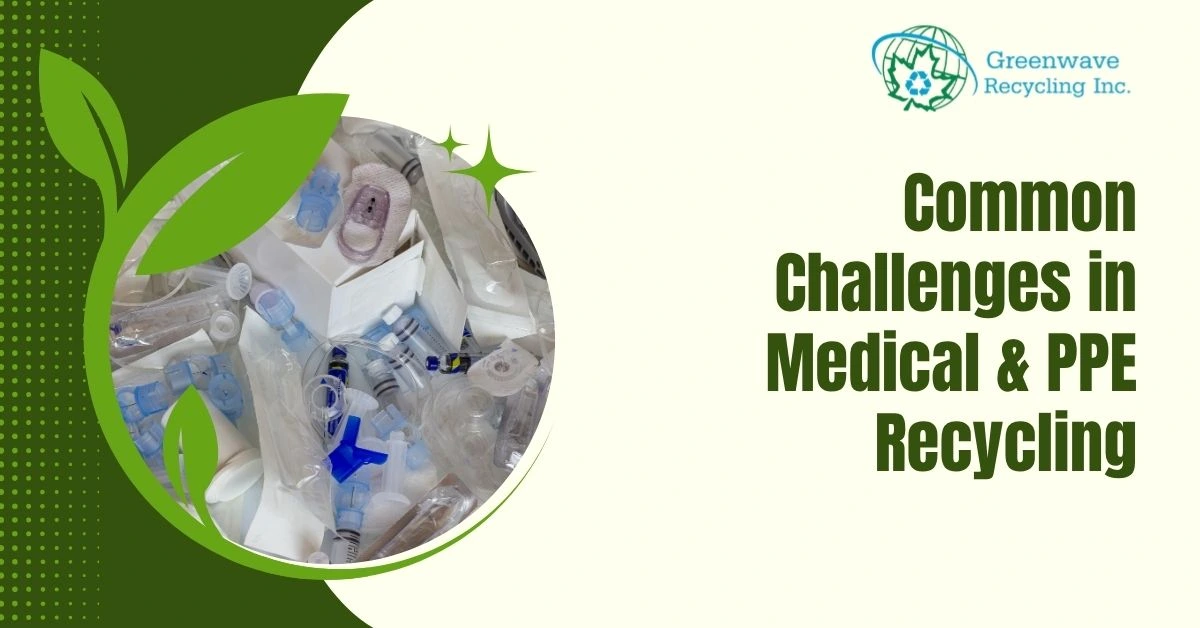
Healthcare facilities generate large volumes of disposable protective equipment and medical plastics every day. From hospitals and clinics to medical distributors and government agencies, managing these materials responsibly has become increasingly important as organizations work towards stronger sustainability goals. While recycling offers an environmentally responsible alternative to landfill disposal, implementing effective Medical & PPE Recycling programs comes with several operational and logistical challenges.
Healthcare organizations must balance patient safety, regulatory compliance, waste segregation, and material recovery without disrupting daily operations. Understanding these challenges is the first step towards developing recycling strategies that improve efficiency, reduce waste, and support environmental responsibility.
Why Medical & PPE Recycling Is More Important Than Ever?
The increased use of disposable personal protective equipment has significantly expanded healthcare waste streams. Many PPE products are manufactured using recyclable plastics, yet they often end up in landfill because of improper handling or limited recycling programs.
By investing in Medical & PPE Recycling, healthcare organizations can recover valuable materials, reduce landfill waste, and contribute to Canada’s circular economy while maintaining safe waste management practices.
Common recyclable materials include:
- Face masks
- Face shields
- Surgical gloves
- Nitrile gloves
- Gowns and aprons
- Single-use medical plastics
Recovering these materials helps reduce environmental impact while supporting responsible resource management.
| Challenge | Impact on Recycling |
| Improper waste segregation | Reduces material recovery and increases contamination |
| Regulatory compliance | Requires strict documentation and handling procedures |
| Complex logistics | Delays collection and transportation |
| Staff awareness | Affects recycling participation and accuracy |
| Limited recycling infrastructure | Reduces recovery opportunities for recyclable materials |
Improper Waste Segregation
One of the biggest obstacles to successful Medical & PPE Recycling is improper waste segregation. When recyclable PPE products are mixed with non-recyclable or regulated medical waste, recovering usable materials becomes significantly more difficult.
Healthcare facilities should establish clear segregation procedures that identify recyclable materials before collection. Consistent waste separation improves recycling efficiency while reducing contamination and unnecessary disposal.
Meeting Regulatory Compliance Requirements
Healthcare waste management is governed by strict regulations that protect public health and the environment. Medical & PPE Recycling programs must follow established handling, transportation, and documentation requirements to ensure compliance.
Organizations should implement standardized procedures that support:
- Secure waste handling
- Proper documentation
- Material traceability
- Safe transportation
- Environmental compliance
Following these requirements helps maintain safe recycling operations while reducing operational risks.
Managing Collection and Transportation
Healthcare facilities often operate across multiple locations, making the collection and transportation of recyclable PPE materials more complex. Efficient logistics are essential for ensuring recyclable materials are collected safely and processed without unnecessary delays, supporting effective Medical & PPE Recycling programs.
Reliable collection systems help organizations:
- Improve operational efficiency
- Maintain secure handling practices
- Reduce storage requirements
- Support continuous recycling operations
Well-planned logistics also improve material recovery by ensuring recyclable products reach processing facilities promptly.
Reducing Contamination During Recycling
Contamination is one of the most common barriers to successful recycling programs. When recyclable PPE products are contaminated with unsuitable materials, Medical & PPE Recycling efforts are affected, and recovery rates decline while additional processing may be required.
Reducing contamination depends on:
- Proper waste segregation
- Staff training
- Clearly identified collection points
- Routine waste audits
- Consistent recycling procedures
Improving these areas allows healthcare organizations to maximize recyclable material recovery while maintaining safe waste management practices.
Increasing Staff Awareness and Participation
Healthcare workers play an essential role in the success of recycling initiatives. Even the most effective recycling systems depend on staff understanding how recyclable materials should be handled, making Medical & PPE Recycling programs more effective across healthcare facilities.
Organizations can encourage participation by:
- Providing regular recycling training
- Displaying clear waste segregation guidance
- Communicating sustainability objectives
- Sharing recycling performance updates
- Encouraging continuous improvement
Educated employees are more likely to follow recycling procedures accurately, improving overall program effectiveness.
Expanding Recycling Opportunities
Many healthcare organizations are seeking ways to expand their recycling initiatives beyond traditional waste management practices. As recycling technologies continue to evolve, more PPE products and medical plastics can be recovered and reused.
Expanding Medical & PPE Recycling programs can help organizations:
- Increase landfill diversion
- Improve resource recovery
- Reduce environmental impact
- Strengthen sustainability performance
- Support circular economy initiatives
By identifying additional recyclable materials and working with experienced recycling providers, healthcare facilities can continuously improve their environmental performance.
Building Long-Term Sustainability Through Recycling
Sustainability is becoming a core priority across the healthcare sector. Recycling programs help organizations reduce waste while supporting broader environmental and operational objectives, with Medical & PPE Recycling contributing to responsible resource recovery and long-term sustainability.
A structured recycling strategy contributes to:
- Reduced landfill dependency
- Better resource utilization
- Improved sustainability reporting
- Responsible material recovery
- Stronger environmental stewardship
Healthcare facilities that continuously improve recycling practices are better positioned to achieve long-term sustainability goals while maintaining high operational standards.
Looking for a safe and reliable Medical & PPE Recycling solution? Contact Us to learn how Greenwave Recycling can support your healthcare sustainability goals.
How Greenwave Supports Healthcare Recycling?
Greenwave Recycling provides safe and sustainable Medical & PPE Recycling solutions for hospitals, healthcare facilities, government agencies, and medical distributors across Canada.
Its services include:
- Secure collection and transportation
- Sorting and processing recyclable materials
- Recovery of PPE plastics
- Compliance documentation
- Responsible material reuse
Through reliable logistics and environmentally responsible recycling processes, Greenwave helps healthcare organizations reduce waste while supporting compliance and sustainability objectives.
Frequently Asked Questions
Medical & PPE Recycling helps reduce landfill waste, recover valuable materials, support sustainability initiatives, and promote responsible healthcare waste management.
Depending on the recycling program, items such as face masks, gloves, face shields, gowns, aprons, and certain medical plastics can be recycled.
Improper waste segregation is one of the most common challenges because it increases contamination and reduces material recovery.
Facilities can improve recycling by implementing proper segregation procedures, staff training, secure collection systems, and regular waste audits.
It helps recover reusable materials, reduce landfill waste, conserve resources, and support circular economy initiatives within the healthcare sector.
Conclusion
As healthcare organizations continue to strengthen their sustainability efforts, overcoming the challenges associated with Medical & PPE Recycling is becoming increasingly important. Addressing issues such as waste segregation, compliance, logistics, contamination, and staff awareness can significantly improve recycling outcomes while reducing environmental impact. By implementing structured recycling programs and partnering with experienced providers, healthcare facilities can recover valuable materials, reduce landfill waste, and contribute to a more sustainable healthcare system across Canada.
Related Posts