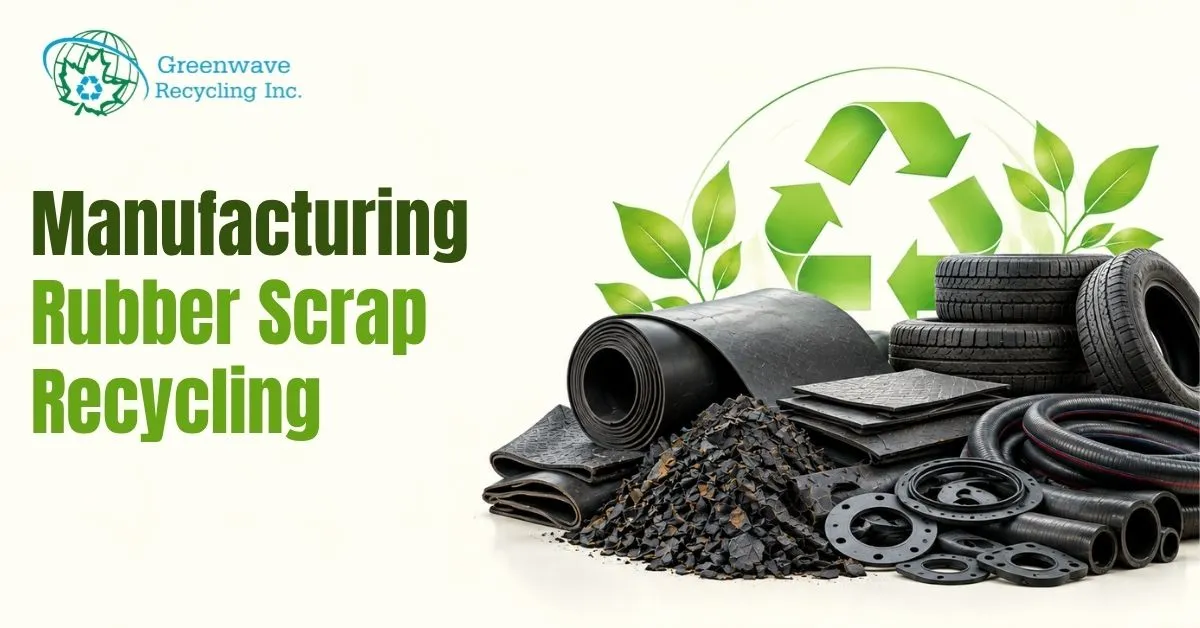

Manufacturing operations can generate rubber scrap through production offcuts, rejected components, trimming, damaged products, and…
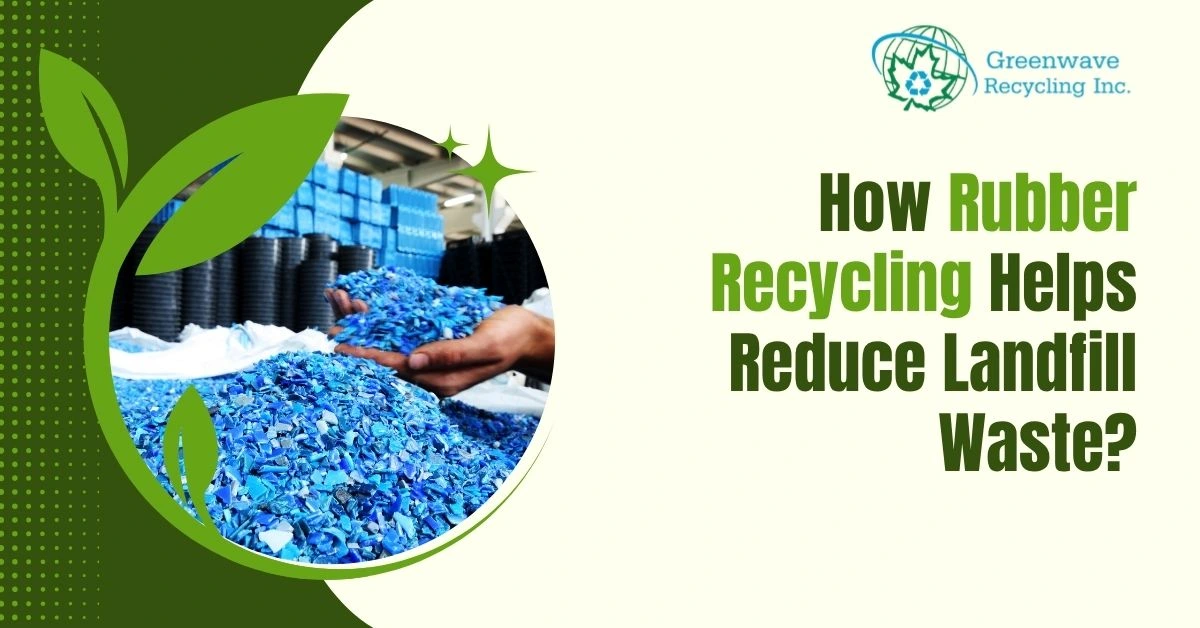
Every year, businesses across Canada generate significant amounts of rubber waste through manufacturing processes, transportation, construction, mining, and industrial operations. Materials such as conveyor belts, rubber sheeting, hoses, seals, gaskets, and industrial off-cuts often reach the end of their useful life and are discarded. Without responsible recycling solutions, these materials frequently end up in landfills, where they occupy valuable space and remain for extended periods due to their durable composition.
Investing in Rubber Recycling provides businesses with an environmentally responsible solution for managing end-of-life rubber materials. Rather than treating rubber waste as a disposal challenge, recycling transforms it into reusable resources that support sustainable manufacturing, reduce landfill dependence, and contribute to Canada’s growing circular economy. As industries continue to strengthen their environmental commitments, rubber recycling has become an essential part of responsible waste management and long-term sustainability.
Understanding the Impact of Rubber Waste
Rubber products are designed for durability and long service life, making them valuable across many industrial applications. However, these same characteristics also make discarded rubber difficult to break down once it reaches landfill.
Industrial sectors such as manufacturing, mining, logistics, construction, and transportation generate large quantities of rubber waste through routine operations. Without structured recycling programs, these materials continue to accumulate, increasing pressure on landfill capacity and limiting opportunities for material recovery.
Common industrial rubber waste includes:
- Conveyor belts
- Rubber off-cuts
- Rubber sheeting
- Hoses
- Seals
- Gaskets
- Moulded rubber components
- Industrial rubber scrap
Recovering these materials through Rubber Recycling allows businesses to reduce waste while making better use of valuable resources.
Why Landfill Diversion Matters?
Reducing landfill waste has become an important priority for businesses working toward sustainability objectives. Every tonne of recyclable material diverted from landfill helps conserve landfill capacity while supporting responsible resource management.
Choosing Rubber Recycling instead of disposal helps businesses:
- Reduce landfill contributions
- Improve resource recovery
- Support environmental stewardship
- Strengthen sustainability initiatives
- Improve waste management performance
Landfill diversion also demonstrates a company’s commitment to responsible environmental practices and long-term resource conservation.
| Benefit of Rubber Recycling | Business Impact |
| Landfill Diversion | Reduces waste sent to landfill |
| Material Recovery | Recovers valuable rubber resources |
| Cost Efficiency | Helps lower disposal costs |
| ESG Support | Strengthens sustainability reporting |
| Circular Economy | Keeps materials in productive use |
Recovering Valuable Rubber Resources
Rubber should not simply be viewed as waste once it reaches the end of its original application. Many industrial rubber materials still contain significant value that can be recovered through responsible recycling processes.
Recovered rubber materials can support:
- Secondary manufacturing
- Industrial applications
- Resource recovery initiatives
- Sustainable production processes
- Circular economy objectives
By recovering usable materials, Rubber Recycling helps businesses reduce dependence on new raw materials while improving overall resource efficiency.
Supporting Business Sustainability Goals
Many Canadian businesses have established environmental and sustainability targets focused on reducing waste, improving recycling rates, and lowering their environmental footprint.
Rubber Recycling contributes directly to these objectives by helping organizations:
- Improve landfill diversion
- Reduce industrial waste
- Recover reusable materials
- Strengthen ESG performance
- Support corporate sustainability initiatives
These environmental improvements also contribute to stronger relationships with customers, stakeholders, and business partners who increasingly value responsible environmental practices.
Reducing Waste Disposal Costs
Waste disposal represents an ongoing operational expense for many industrial businesses. As waste volumes increase, so do collection, transportation, and landfill costs.
Implementing Rubber Recycling programs helps businesses better manage these costs by diverting recyclable materials away from traditional disposal methods.
Benefits include:
- Reduced landfill fees
- More efficient waste management
- Better resource utilization
- Improved operational efficiency
- Long-term cost savings
Responsible recycling supports both environmental performance and financial efficiency.
Looking for reliable Rubber Recycling solutions for your business? Contact Us to learn how Greenwave Recycling can support your sustainability and waste reduction goals.
Supporting a Circular Economy
Canada’s transition toward a circular economy depends on keeping valuable materials in productive use for as long as possible. Rather than following a traditional disposal model, businesses are increasingly adopting resource recovery strategies that extend material lifecycles.
Through Rubber Recycling, end-of-life rubber products are recovered, processed, and prepared for future applications instead of being discarded.
This approach helps businesses:
- Extend material lifecycles
- Reduce resource consumption
- Improve sustainability performance
- Support responsible manufacturing
- Promote long-term environmental stewardship
Circular economy principles encourage industries to view waste as a valuable resource rather than a disposal problem.
Industries That Benefit from Rubber Recycling
A wide range of industries generate recyclable rubber materials as part of their normal operations.
Businesses that commonly benefit include:
- Manufacturing companies
- Mining operations
- Construction firms
- Warehousing and logistics providers
- Industrial processing facilities
These industries often generate significant quantities of industrial rubber scrap, making Rubber Recycling an effective solution for improving waste management and sustainability performance.
Choosing the Right Recycling Partner
Successful recycling programs depend on working with experienced recycling partners that understand industrial waste streams and responsible material recovery.
When selecting a recycling provider, businesses should consider:
- Industry experience
- Collection and logistics capabilities
- Responsible processing methods
- Material recovery expertise
- Nationwide service capabilities
- Commitment to sustainability
A reliable recycling partner helps businesses manage rubber waste efficiently while supporting environmental objectives and operational requirements.
How Greenwave Supports Sustainable Rubber Recycling?
Greenwave Recycling provides reliable Rubber Recycling solutions for businesses across Canada, helping recover valuable rubber materials through environmentally responsible processing.
Its services support:
- Industrial rubber scrap recovery
- Conveyor belt recycling
- Rubber component recycling
- Material recovery
- Landfill diversion
- Circular economy initiatives
With nationwide logistics, customized recycling solutions, and industry expertise, Greenwave helps businesses transform end-of-life rubber materials into valuable reusable resources while supporting long-term sustainability goals.
Frequently Asked Questions
Rubber Recycling is the process of collecting, processing, and recovering end-of-life rubber materials so they can be reused in future manufacturing and industrial applications.
Rubber Recycling helps reduce landfill waste, recover valuable materials, conserve resources, and support sustainable waste management practices.
Industrial rubber scrap, conveyor belts, hoses, seals, gaskets, rubber sheeting, moulded rubber components, and other suitable rubber products can often be recycled.
It promotes landfill diversion, material recovery, circular economy initiatives, and responsible resource management while reducing environmental impact.
Manufacturing, mining, construction, industrial logistics, and other sectors that generate rubber waste can benefit from structured recycling programs.
Conclusion
As industries continue to prioritize sustainability, reducing landfill waste has become an important business objective. Through responsible Rubber Recycling, organizations can recover valuable materials, improve resource efficiency, reduce disposal costs, and support circular economy initiatives. By adopting sustainable recycling practices and working with experienced recycling partners, businesses can transform end-of-life rubber materials into valuable resources while contributing to a cleaner and more sustainable future.
Related Posts