
Healthcare facilities generate large volumes of disposable protective equipment and medical plastics every day. From…
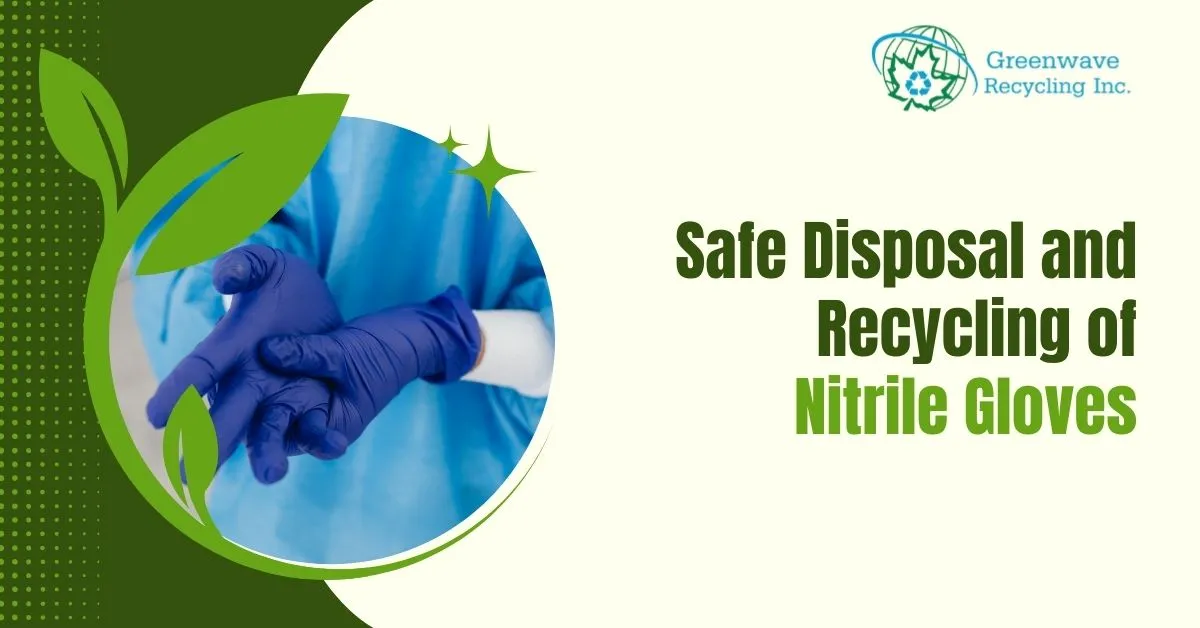
The increasing use of disposable protective equipment has made safe disposal and recycling of nitrile gloves an important environmental and operational concern. Nitrile gloves are widely used across healthcare, laboratories, food processing, and industrial sectors because of their durability and resistance to chemicals. However, the high volume of glove waste generated daily can create serious environmental challenges if not handled responsibly. Implementing proper disposal and nitrile gloves recycling solutions helps organizations reduce landfill waste, improve sustainability, and comply with environmental regulations.
What Are Nitrile Gloves and Why Proper Disposal Is Important?
Protective gloves are widely used across industries to maintain hygiene and ensure worker safety. In these environments, Nitrile Gloves are preferred because they offer excellent chemical resistance, durability, and puncture protection. However, since they are made from synthetic rubber materials, they are not biodegradable and can remain in landfills for decades if disposed of improperly.
Key characteristics of nitrile gloves include:
- Made from synthetic nitrile butadiene rubber
- Highly resistant to chemicals and oils
- Durable and puncture-resistant
- Commonly used in healthcare, laboratories, and food industries
Proper disposal and recycling of nitrile gloves helps organizations prevent environmental pollution and manage PPE waste responsibly.
Environmental Impact of Improper Nitrile Gloves Disposal
Environmental sustainability has become a critical concern as PPE waste continues to increase globally. Many industries dispose of gloves after a single use, which results in significant waste generation. Because Nitrile Gloves are made from non-biodegradable materials, they can remain in landfills for decades without breaking down. This accumulation contributes to landfill overflow, increased waste management costs, and potential microplastic pollution. Safe disposal and recycling solutions help divert glove waste from landfills, reduce environmental damage, and promote responsible resource management.
Safe Disposal Methods for Nitrile Gloves
Proper disposal practices are essential for maintaining workplace safety and environmental compliance. Facilities that generate glove waste should implement structured waste management procedures to ensure safe handling.
When disposing of Nitrile Gloves, organizations should follow these best practices:
- Separate gloves from general waste streams
- Use clearly labeled PPE disposal containers
- Follow local environmental and medical waste regulations
- Train staff on proper glove disposal procedures
- Maintain proper waste segregation protocols
These measures ensure that glove waste is handled safely and efficiently.
Recycling of Nitrile Gloves: How It Works?
Recycling programs provide an effective solution for reducing glove waste and supporting sustainability initiatives. Through recycling systems, Nitrile Gloves can be collected, processed, and converted into reusable materials.
Typical nitrile glove recycling process includes:
- Collection: Gloves are gathered from facilities generating PPE waste
- Segregation: Gloves are sorted to ensure they meet recycling requirements
- Sanitization: Gloves may undergo sterilization or decontamination
- Processing: Materials are converted into reusable industrial raw materials
Recycling programs help divert glove waste from landfills while supporting circular economy practices.
Recycling vs Traditional Disposal of Nitrile Gloves
Organizations evaluating waste management strategies often compare recycling with traditional disposal methods. In many cases, Nitrile Gloves recycling provides greater environmental and operational benefits than landfill disposal.
| Factor | Traditional Disposal | Nitrile Gloves Recycling |
| Environmental Impact | High landfill waste | Reduced pollution |
| Resource Recovery | None | Materials reused |
| Cost Efficiency | Increasing disposal fees | Potential long-term savings |
| Sustainability | Limited | Supports circular economy |
| Compliance | Basic disposal | Strong environmental compliance |
This comparison highlights how recycling programs can improve sustainability performance while reducing environmental harm.
Industries That Require Safe Nitrile Gloves Disposal and Recycling
Many industries rely heavily on disposable gloves to maintain hygiene and safety standards. As a result, these sectors generate significant volumes of glove waste. In these industries, Nitrile Gloves are widely used for contamination control and worker protection.
Industries that commonly generate nitrile glove waste include:
- Healthcare facilities – hospitals, clinics, and long-term care centers
- Laboratories – research labs and testing facilities
- Pharmaceutical manufacturing – strict hygiene requirements
- Food processing plants – food safety compliance
- Industrial manufacturing – chemical handling and contamination control
Implementing recycling programs in these industries helps reduce waste and improve sustainability performance.
Benefits of Recycling Nitrile Gloves
Organizations that adopt recycling initiatives gain both environmental and operational advantages. Recycling programs reduce waste volumes and help facilities manage PPE disposal more efficiently. Through recycling processes, Nitrile Gloves waste can be converted into reusable materials instead of being discarded in landfills. This reduces environmental pollution, lowers waste management costs, and supports sustainability goals. In addition, recycling initiatives enhance corporate environmental responsibility and improve ESG (Environmental, Social, Governance) reporting for organizations committed to sustainable practices.
- Reduced landfill waste
- Lower environmental pollution
- Reduced waste disposal costs
- Improved sustainability reporting
- Support for circular economy practices
Challenges in Nitrile Gloves Recycling
Despite the benefits, some organizations may face challenges when implementing recycling programs. These challenges may include contamination concerns, limited recycling infrastructure, and lack of awareness about recycling options. For example, Nitrile Gloves used in medical or laboratory environments may contain contaminants that require special handling before recycling. Additionally, some regions may have limited access to certified PPE recycling facilities. These challenges can be addressed through proper segregation, staff training, and partnerships with certified recycling providers that specialize in PPE waste management.
Looking to reduce PPE waste and improve sustainability? Contact us today to start safe nitrile gloves recycling solutions.
Best Practices for Safe Disposal and Recycling of Nitrile Gloves
Organizations can improve recycling efficiency by implementing structured waste management practices. In these systems, Nitrile Gloves waste should be properly segregated and managed from the point of disposal.
Recommended best practices include:
- Conduct staff training programs on PPE disposal
- Use labeled recycling containers
- Monitor waste volumes and recycling performance
- Partner with certified PPE recycling providers
- Track sustainability metrics and landfill diversion rates
These practices ensure safe disposal while maximizing recycling effectiveness.
Future of Nitrile Gloves Recycling
The future of sustainable PPE waste management is evolving rapidly as environmental awareness grows. With increasing demand for sustainable solutions, Nitrile Gloves recycling programs are expected to expand in many industries.
Future developments may include:
- Advanced PPE recycling technologies
- Expanded recycling infrastructure
- Stronger environmental regulations
- Increased adoption of circular economy practices
These advancements will make recycling programs more accessible and efficient for organizations worldwide.
Frequently Asked Questions
Yes, nitrile gloves can be recycled through certified PPE recycling programs that process synthetic rubber materials safely.
Nitrile gloves should be segregated from general waste and placed in designated disposal or recycling containers according to local regulations.
No, nitrile gloves are made from synthetic rubber and are not biodegradable, which is why recycling solutions are important.
Recycling nitrile gloves reduces landfill waste, lowers environmental impact, and supports sustainable waste management practices.
Healthcare, laboratories, pharmaceutical manufacturing, food processing, and industrial facilities generate large volumes of nitrile glove waste.
Conclusion
Responsible waste management has become essential for organizations that rely on disposable PPE. Implementing safe disposal and recycling strategies ensures that glove waste does not contribute to long-term environmental damage. By adopting structured recycling programs, Nitrile Gloves waste can be managed sustainably, reducing landfill pollution and supporting circular economy initiatives. As environmental awareness grows, recycling solutions will continue to play an important role in sustainable PPE waste management.
Related Posts