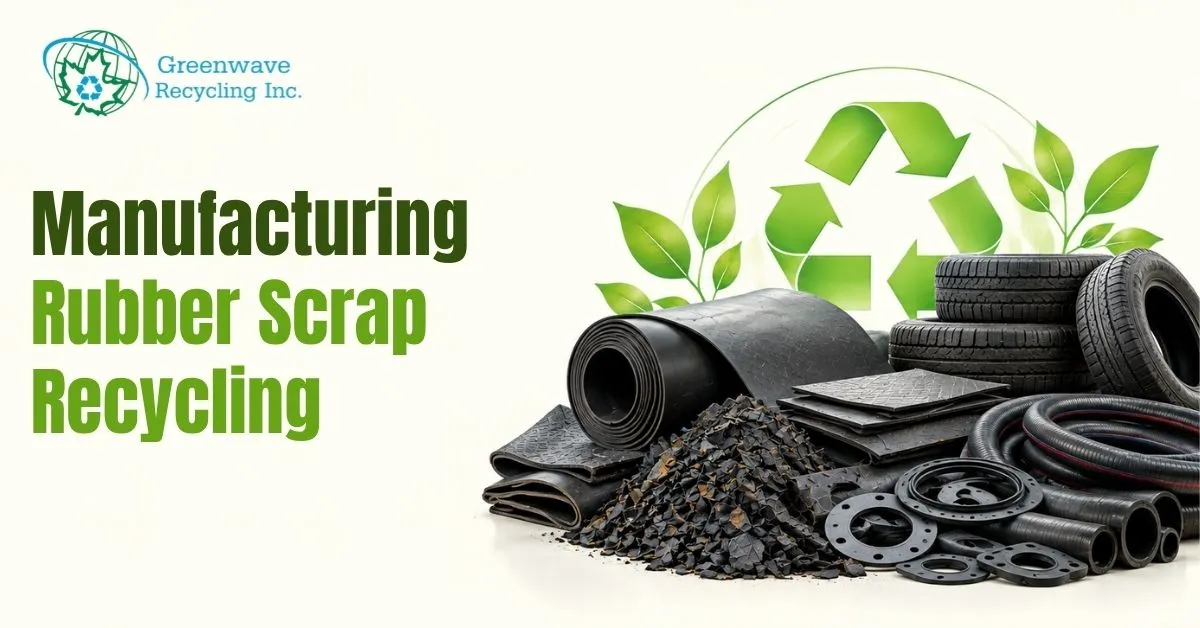
Manufacturing operations can generate rubber scrap through production offcuts, rejected components, trimming, damaged products, and…
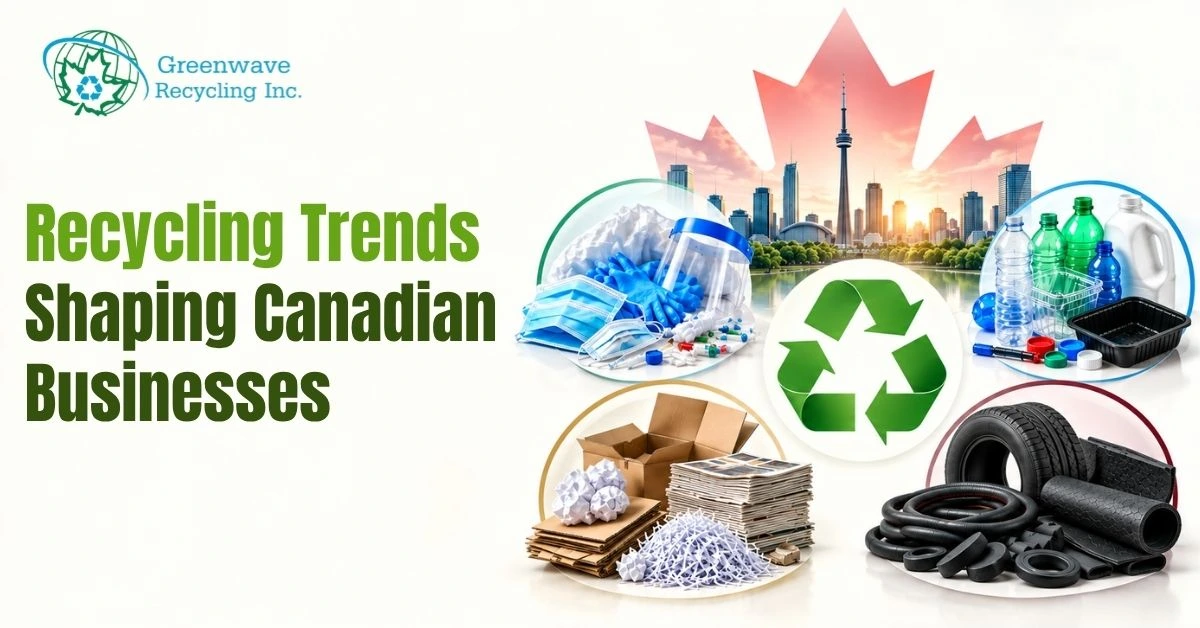
Canadian businesses are increasingly looking for practical ways to reduce waste, recover valuable materials, and improve environmental performance. From manufacturing facilities to healthcare organisations and commercial operations, waste management is becoming an important part of business sustainability. Emerging Recycling Trends are influencing how organisations collect, process, and reuse materials while supporting resource efficiency and responsible operations.
Growing Focus on the Circular Economy
The circular economy encourages businesses to keep materials in productive use for longer instead of relying on disposal. This approach focuses on reducing waste, recovering resources, and finding opportunities to reuse suitable materials.
For Canadian businesses, these Recycling Trends can encourage better material segregation, improved recovery systems, and more responsible purchasing decisions. Companies can also review their production processes to identify waste streams that may have recycling potential.
Increased Demand for Industrial Recycling
Manufacturing, warehousing, construction, and logistics operations can generate substantial amounts of plastic, paper, cardboard, and rubber waste. Businesses are increasingly recognising the importance of managing these materials through organised recovery programmes.
An Industrial Recycling Trends highlight the value of separating production scrap and packaging waste before contamination reduces their recovery potential. Proper collection and processing can help businesses reduce disposal volumes and direct suitable materials toward recycling facilities.
Advancements in Recycling Technology
Technology continues to influence how recyclable materials are identified, sorted, and processed. Improved sorting systems, automated equipment, and better material tracking can help recycling operations manage different waste streams more efficiently.
These Recycling Trends also encourage businesses to assess their collection and segregation procedures. Although technology availability varies by facility and material type, better processing systems can support more consistent recovery and improve the quality of recyclable materials.
Greater Attention to Plastic Waste Recovery
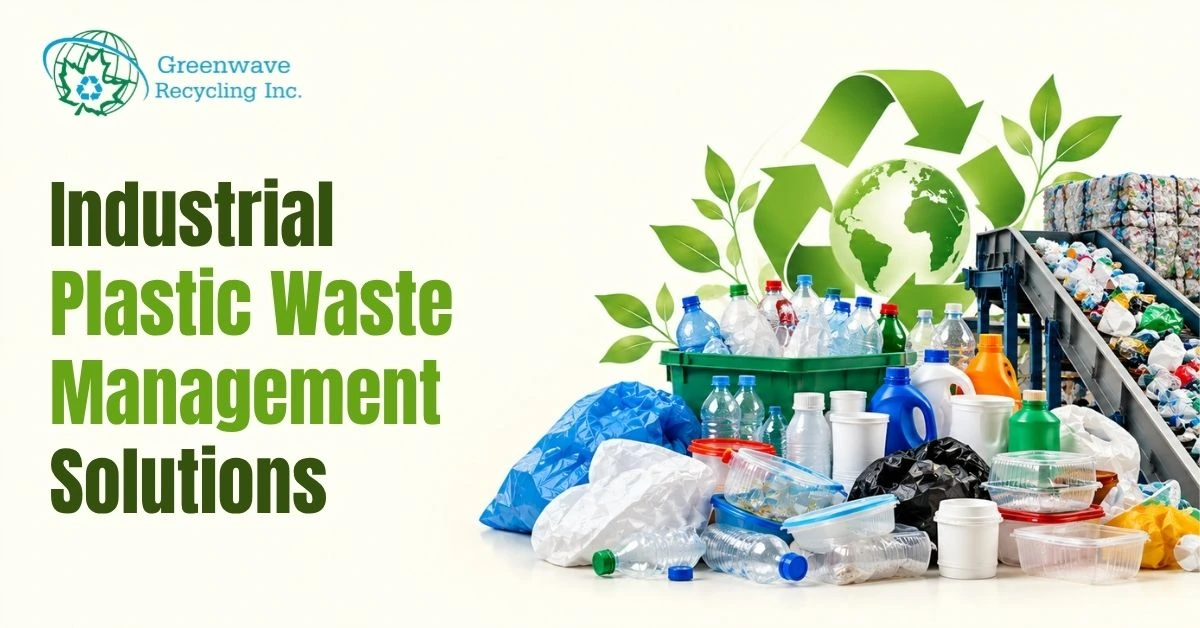
Plastic packaging, production scrap, containers, and other industrial plastics remain important waste streams for many businesses. Their recovery depends on polymer type, contamination, material condition, and available recycling infrastructure.
Effective Plastic Recycling practices can help organisations separate suitable plastics and direct them toward appropriate processing pathways. Businesses can improve recovery opportunities by identifying plastic types at the source and keeping recyclable materials separate from general waste.
Looking to improve waste recovery and support sustainable business operations? Contact Us to explore responsible recycling solutions for your business.
Expanding Paper and Cardboard Recovery
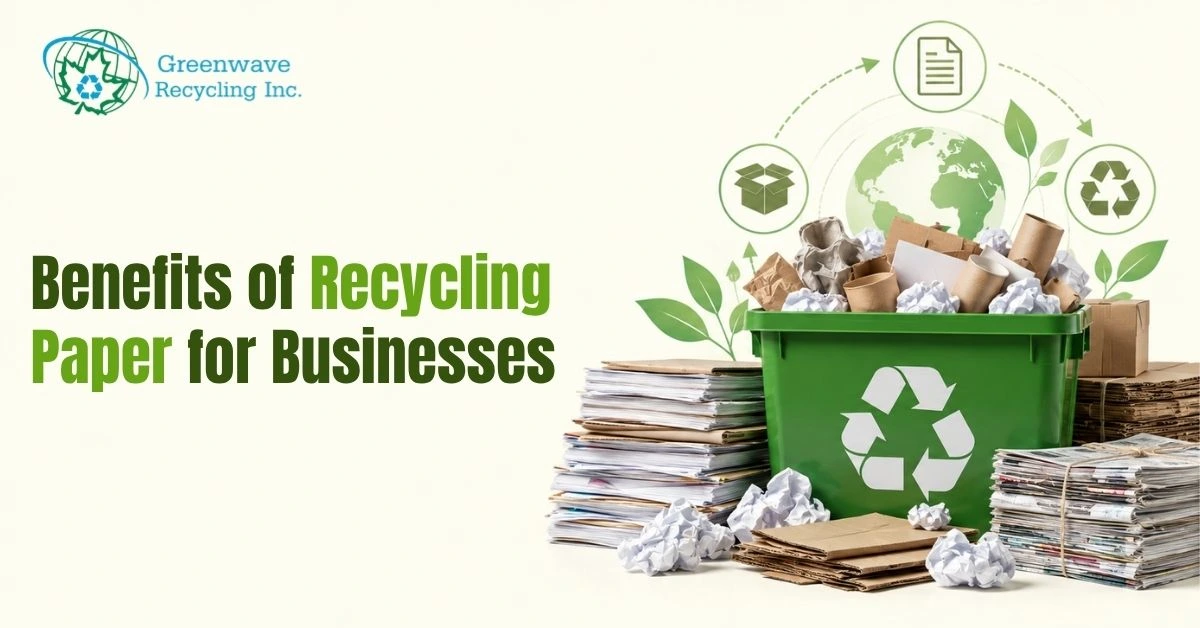
Offices, distribution centres, retailers, and manufacturers often generate recyclable paper and cardboard through everyday operations. These materials can retain value when collected separately and kept free from excessive contamination.
Improved Paper Recycling programmes can help businesses recover fibres, reduce landfill waste, and support more efficient resource use. Clear collection points and employee awareness can make paper recovery easier to incorporate into routine operations.
ESG and Corporate Sustainability Priorities
Environmental, social, and governance (ESG) considerations are influencing how many organisations evaluate their environmental performance and operational responsibilities. Waste reduction and resource recovery can contribute to broader sustainability programmes.
Businesses can use Recycling Trends to identify practical improvements, such as tracking recyclable waste volumes, strengthening segregation procedures, and documenting recovery activities. These measures can support sustainability reporting where relevant, although recycling alone does not establish overall ESG performance.
Better Management of Rubber and Medical Waste
Industrial rubber scrap and healthcare-related waste require appropriate handling based on their composition, condition, and potential contamination. Different materials may need separate collection and processing arrangements.
A Rubber Recycling can help recover suitable industrial materials, while specialised medical waste programmes can identify PPE and other materials that may be appropriate for recovery. Businesses should follow applicable handling requirements and ensure potentially recyclable materials enter suitable, responsible processing streams.
How Businesses Can Adapt to Recycling Trends?
Canadian businesses can strengthen their recycling programmes through practical steps:
- Identify the main waste streams generated by their operations.
- Establish clearly labelled collection and segregation systems.
- Reduce contamination in recyclable materials.
- Work with suitable recycling and recovery partners.
- Track waste volumes and material recovery results.
- Review recycling procedures as operational needs change.
These actions can help businesses improve waste management without introducing unnecessary complexity.
Frequently Asked Questions
Important Recycling Trends include circular economy practices, improved material recovery, industrial recycling, better waste segregation, and greater attention to sustainability.
Industrial recycling can help businesses recover suitable production scrap and packaging materials, reduce disposal volumes, and improve resource efficiency.
Businesses can improve recycling by identifying waste streams, separating materials at the source, controlling contamination, and working with appropriate recycling partners.
Recycling can contribute to sustainability by reducing waste, recovering useful resources, and supporting more responsible material management.
Sorting equipment, automation, and material tracking can help improve the identification, handling, and processing of suitable recyclable materials.
Conclusion
Recycling is becoming an increasingly important consideration for businesses seeking better waste management and resource efficiency. By understanding emerging Recycling Trends, Canadian organisations can improve material segregation, strengthen recovery programmes, and support circular economy objectives. Consistent processes and suitable recycling partnerships can help turn recyclable waste into a valuable resource management opportunity.
Related Posts