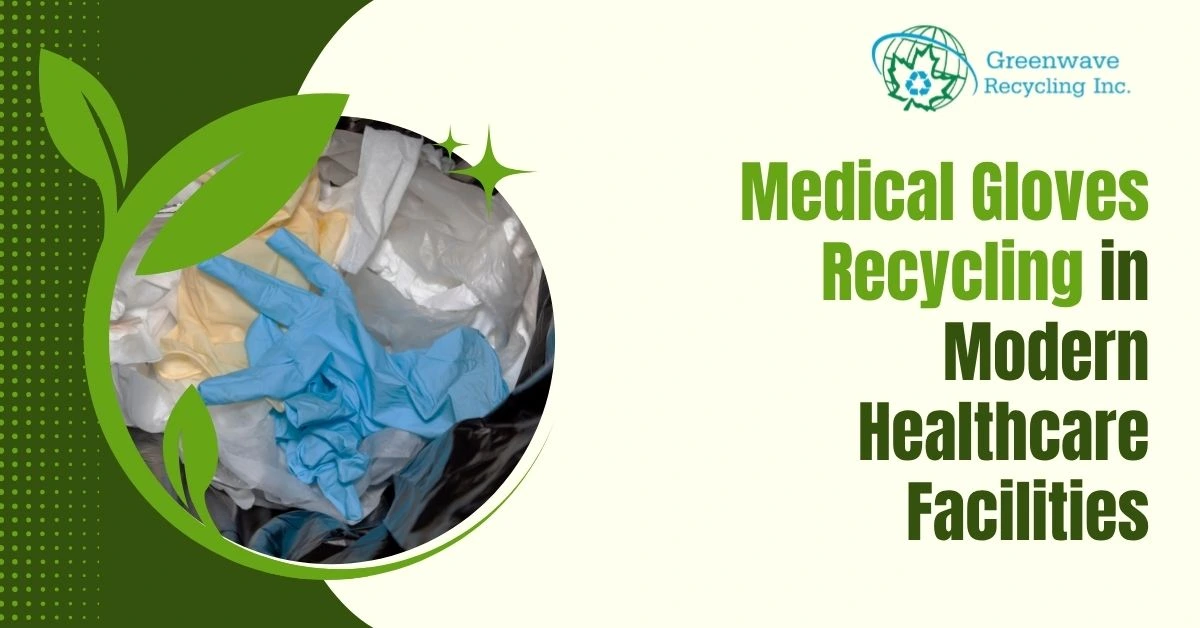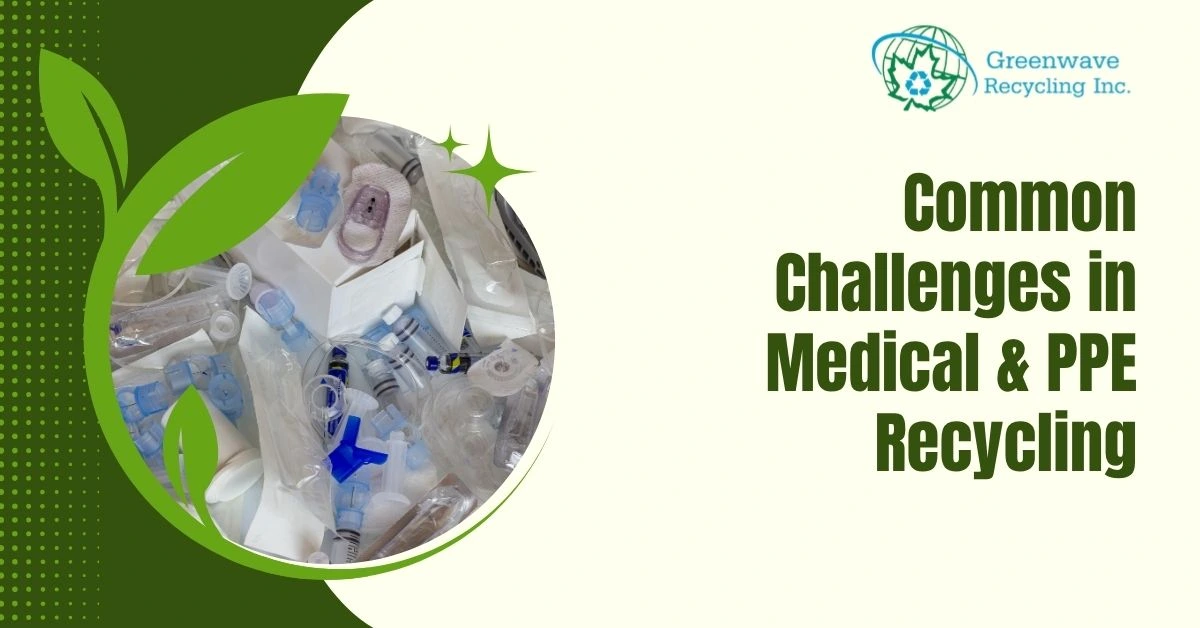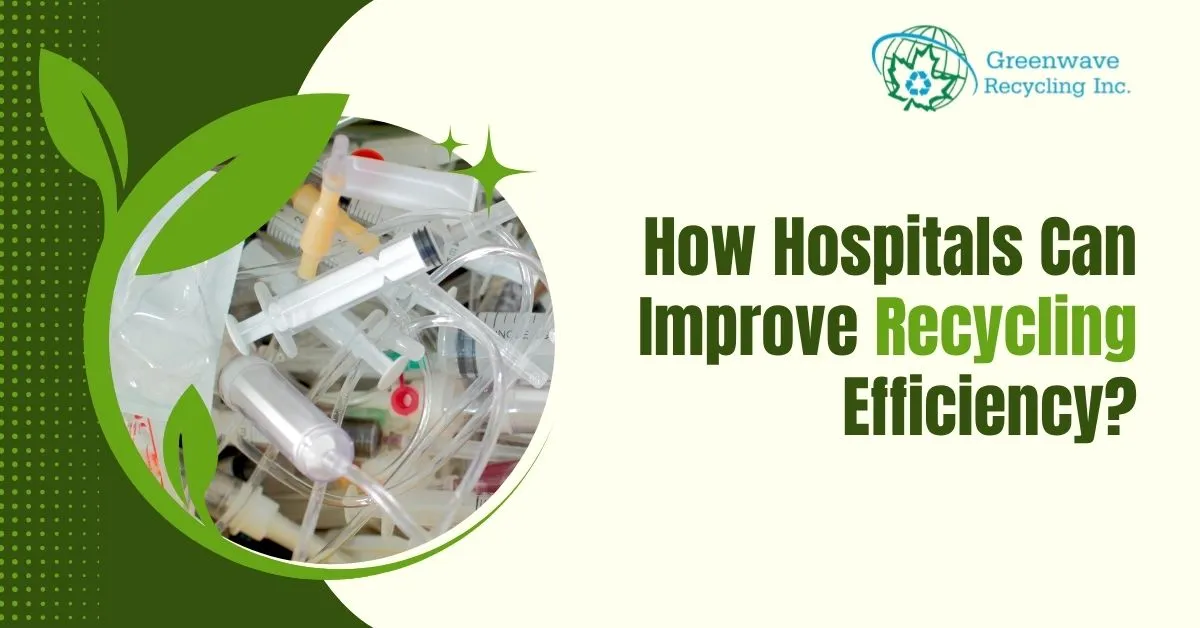

Medical gloves are an essential part of infection prevention and patient safety across hospitals, clinics,…
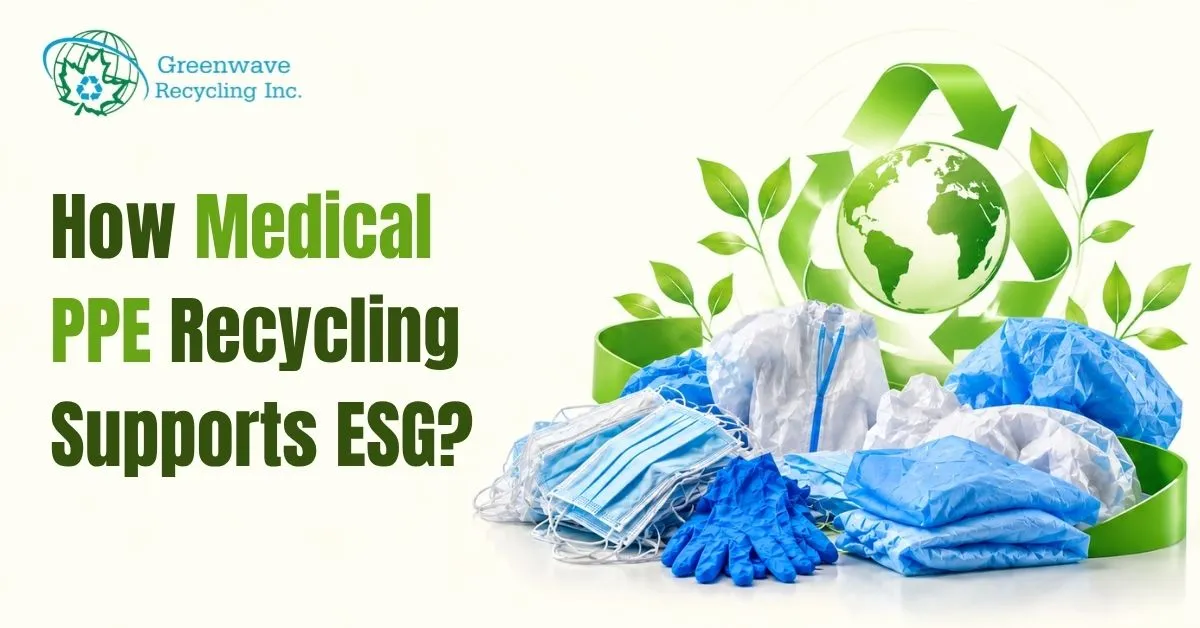
Healthcare facilities generate large volumes of personal protective equipment (PPE), including gloves, masks, gowns, aprons, face shields, and other disposable materials. Managing these materials responsibly has become an important part of sustainable healthcare operations. PPE Recycling can help organisations recover suitable materials, reduce waste, and support environmental, social, and governance (ESG) objectives when appropriate collection and processing systems are in place.
Reduces the Environmental Impact of PPE Waste
Disposable PPE can contribute significantly to healthcare waste streams. When suitable materials are directed toward recovery instead of being treated solely as waste, organisations can reduce unnecessary disposal and improve resource utilisation.
Effective Medical PPE Recycling provides a structured approach to identifying, collecting, sorting, and processing suitable materials. This can support the environmental pillar of ESG by contributing to waste reduction, material recovery, and more responsible resource management. Resource efficiency
Supports Better PPE Waste Management
A successful recovery programme begins with proper segregation. Healthcare facilities need to distinguish recyclable materials from items that require other waste management pathways, particularly where contamination or material composition affects recycling suitability.
By integrating PPE Waste Recycling into broader PPE Waste Management practices, organisations can improve collection efficiency and reduce contamination. Clear procedures can also help employees understand how suitable PPE should be handled from the point of disposal through collection and processing.
Enables Material Recovery
Some PPE products contain plastics and other materials that may have recovery potential depending on their composition and condition. Properly managed collection allows suitable materials to enter an appropriate PPE Recycling Process.
Through sorting and processing, recyclable materials can be separated and prepared for potential further applications. PPE Material Recovery can therefore help retain useful resources within productive cycles while reducing dependence on disposal-focused waste management.
Strengthens Healthcare Sustainability
Sustainability in healthcare extends beyond energy and water consumption. Waste generation, material use, and responsible disposal are also important considerations for organisations developing broader environmental programmes.
Incorporating Healthcare Waste Recycling into daily operations can support these efforts. When PPE Recycling is combined with employee awareness, source segregation, and responsible processing, it can become part of wider Sustainable Healthcare Practices.
Supports ESG Waste Management
ESG programmes require organisations to consider how their operations affect the environment and how responsible practices are implemented. Waste management can provide a measurable area where organisations can establish processes for collection, recovery, documentation, and continuous improvement.
Responsible ESG Waste Management can include initiatives that improve healthcare waste reduction and resource recovery. For suitable PPE streams, recycling can complement these efforts while supporting environmental objectives and more accountable waste management practices.
Looking to improve PPE waste recovery and support your ESG goals? Contact Us to explore responsible PPE Recycling solutions for your organisation.
Contributes to a Circular Economy
A circular economy focuses on keeping materials in productive use for as long as practical and reducing unnecessary waste. Healthcare facilities can contribute to this approach by considering recovery options for suitable materials generated through their operations.
A PPE Recycling can support Circular Economy in Healthcare by directing appropriate PPE materials toward recovery and processing rather than automatically treating them as disposable waste. This approach encourages organisations to consider material recovery as part of the wider product and waste lifecycle.
Practical Steps for Healthcare Facilities
Healthcare organisations can strengthen their recycling programmes by:
- Identifying PPE materials suitable for recovery.
- Establishing clear collection and segregation procedures.
- Training employees on appropriate waste separation.
- Reducing contamination within recyclable material streams.
- Partnering with responsible recycling providers.
- Maintaining suitable waste management documentation.
These steps can help integrate Medical Waste Recycling into broader sustainability programmes while supporting consistent and responsible material handling.
Frequently Asked Questions
PPE Recycling involves collecting, sorting, processing, and recovering suitable personal protective equipment materials for potential further use or material applications.
Medical PPE Recycling can support the environmental pillar by reducing suitable waste sent for disposal and improving material recovery. Structured processes can also support responsible operational practices.
Effective PPE Waste Management helps ensure suitable materials are properly segregated, collected, and directed toward appropriate recycling or recovery pathways.
Yes. PPE Recycling can form part of Healthcare Sustainability initiatives by supporting waste reduction, resource efficiency, and responsible material recovery.
By recovering suitable materials and keeping them within productive resource cycles, PPE Recycling can contribute to Circular Economy in Healthcare and reduce reliance on disposal.
Conclusion
Medical PPE waste presents an important resource management challenge for healthcare organisations. With suitable segregation, collection, and processing, PPE Recycling can support material recovery while contributing to healthcare sustainability and ESG objectives. By incorporating responsible recycling into broader waste management strategies, organisations can take practical steps toward reducing waste, conserving resources, and supporting a more circular approach to healthcare operations.
Related Posts