
Healthcare facilities generate large volumes of disposable protective equipment and medical plastics every day. From…
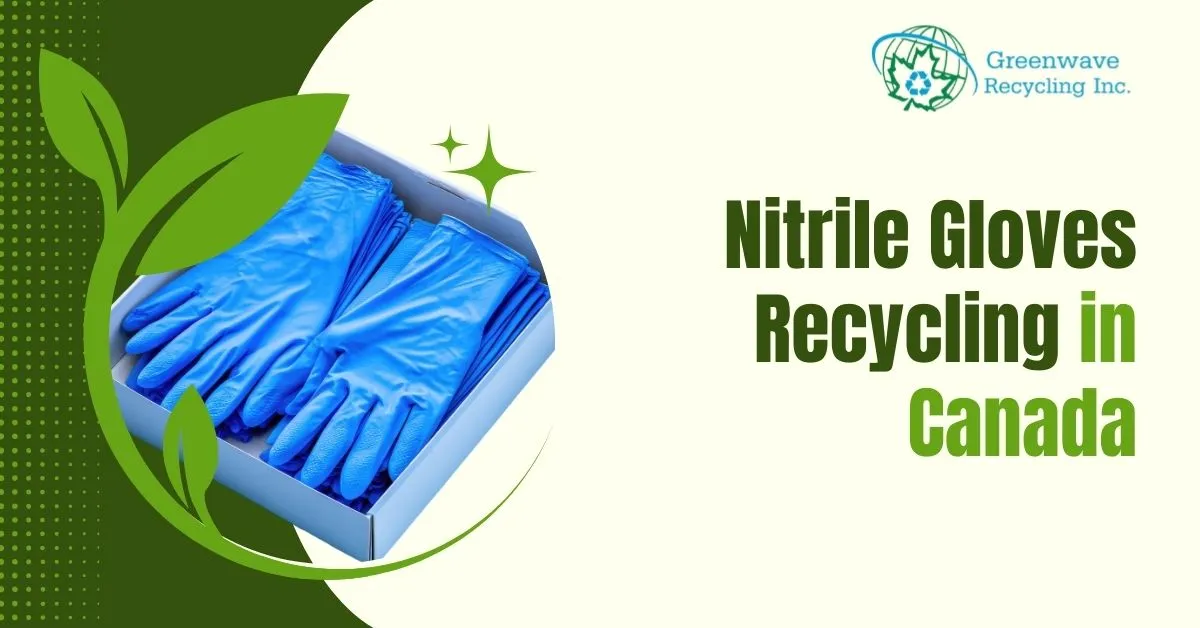
The demand for disposable nitrile gloves in Canada has grown significantly across hospitals, laboratories, food processing facilities, and industrial workplaces. While nitrile gloves play a critical role in maintaining hygiene and safety, their widespread use has created a new challenge: managing the growing volume of glove waste. Nitrile gloves recycling in Canada is emerging as a practical and environmentally responsible solution that helps reduce landfill waste, recover valuable materials, and support sustainable healthcare and industrial operations.
Why Nitrile Gloves Recycling Matters in Canada?
Disposable nitrile gloves are typically made from synthetic rubber polymers designed for durability and chemical resistance. However, these materials are not biodegradable, meaning gloves can remain in landfills for decades.
Without proper recycling solutions, nitrile gloves contribute to:
- Plastic pollution and landfill overflow
- Microplastic contamination in soil and water
- Increased carbon emissions from incineration
- Rising medical waste management costs
Implementing nitrile gloves recycling programs in Canada helps organizations divert this waste from landfills and transform it into reusable materials.
What Are Nitrile Gloves Made Of?
Nitrile gloves are produced using synthetic nitrile butadiene rubber (NBR). This material provides superior puncture resistance and chemical protection compared to latex gloves.
Common industries using nitrile gloves include:
- Hospitals and healthcare facilities
- Laboratories and research centres
- Pharmaceutical manufacturing
- Food processing and packaging
- Industrial and manufacturing sectors
Because nitrile gloves are made from high-quality polymers, they can often be recycled into industrial materials when properly processed.
How Nitrile Gloves Recycling Works in Canada?
Recycling nitrile gloves involves several controlled steps to ensure safety and material recovery.
Waste Segregation
Unused or uncontaminated nitrile gloves are separated from biomedical waste. Proper segregation ensures recyclable materials are not mixed with hazardous waste.
Collection and Storage
Gloves are collected in designated recycling containers and stored in secure areas to prevent contamination.
Inspection and Sorting
Gloves are inspected to confirm they are suitable for recycling and free from hazardous substances.
Shredding and Processing
The gloves are shredded and processed into small fragments to prepare them for material recovery.
Material Reuse
Processed nitrile material can be repurposed into new industrial products such as rubber components, construction materials, or recycled plastic composites.
This recycling process helps extend the lifecycle of materials while reducing environmental impact.
Looking to implement nitrile gloves recycling in Canada? Contact us to develop a safe, compliant, and sustainable recycling program for your organization.
Benefits of Nitrile Gloves Recycling
Environmental Benefits
- Reduces plastic waste sent to landfill
- Prevents microplastic pollution
- Supports circular economy practices
- Lowers greenhouse gas emissions
Operational Benefits
- Reduces medical waste disposal costs
- Improves waste management efficiency
- Enhances sustainability performance
Compliance Benefits
- Supports environmental regulations in Canada
- Strengthens ESG and sustainability reporting
Organizations adopting PPE recycling programs in Canada can significantly improve their environmental footprint while maintaining operational safety.
Industries That Benefit from Nitrile Gloves Recycling
Many sectors generate high volumes of glove waste and can benefit from recycling programs.
- Healthcare Facilities: Hospitals and clinics use large quantities of nitrile gloves daily to prevent infection and maintain hygiene standards.
- Laboratories: Diagnostic and research labs generate substantial glove waste during testing and experimentation.
- Food Processing Industry: Gloves are widely used for food safety and contamination prevention.
- Manufacturing and Industrial Facilities: Workers rely on nitrile gloves for chemical resistance and protection.
By implementing medical gloves recycling programs, these industries can reduce waste while maintaining safety protocols.
Challenges in Recycling Nitrile Gloves
Although recycling solutions are expanding, several challenges remain:
- Contamination risks in used gloves
- Limited recycling infrastructure for PPE materials
- Lack of awareness about recycling options
- Higher processing costs compared to disposal
However, growing demand for sustainable healthcare and industrial practices is driving innovation in recycling technologies across Canada.
Best Practices for Nitrile Gloves Recycling Programs
Organizations looking to adopt recycling programs should consider these steps:
- Separate unused gloves from biomedical waste
- Train staff on proper waste segregation
- Implement dedicated glove recycling containers
- Conduct regular waste audits
- Partner with specialized recycling programs
These practices ensure safe handling while maximizing recycling opportunities.
The Future of PPE and Nitrile Gloves Recycling in Canada
Canada is increasingly focusing on sustainable waste management and circular economy initiatives. As environmental awareness grows, the healthcare and industrial sectors are expected to expand recycling programs for PPE and disposable gloves.
Advancements in material recovery technology and increased regulatory focus on waste reduction will play a key role in the future of nitrile gloves recycling in Canada.
Frequently Asked Questions
Most nitrile gloves are sent to landfill or incineration, but recycling programs allow uncontaminated gloves to be processed into reusable industrial materials.
Yes, unused or uncontaminated nitrile gloves can be recycled through specialized PPE recycling programs designed for healthcare and industrial waste.
Recycling nitrile gloves reduces landfill waste, prevents plastic pollution, and supports sustainable healthcare waste management practices.
No. Nitrile gloves are made from synthetic rubber and can take decades to break down in landfills, making recycling a better solution.
Hospitals, laboratories, manufacturers, food processing facilities, and PPE distributors can all implement nitrile gloves recycling programs.
Conclusion
Nitrile gloves are essential for safety and hygiene, but their disposal presents environmental challenges. Nitrile gloves recycling in Canada provides a sustainable solution that reduces landfill waste, supports circular economy initiatives, and helps organizations manage healthcare and industrial waste responsibly.
By adopting recycling programs and improving waste segregation practices, Canadian organizations can take an important step toward a cleaner and more sustainable future.
Related Posts