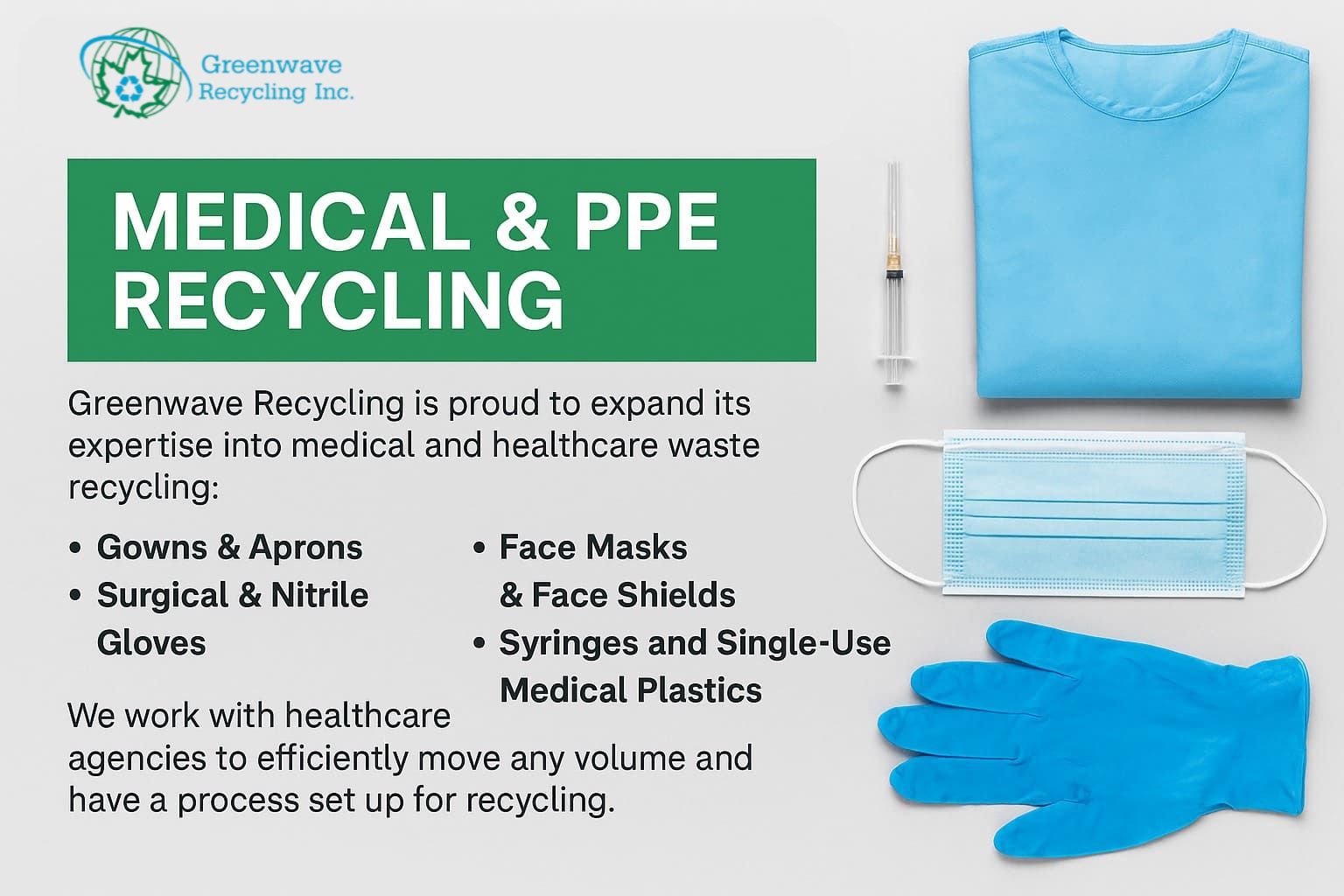

The COVID-19 pandemic reshaped public health systems across the globe. In Canada, the mass adoption…

Plastic waste has become one of the biggest environmental challenges of our time. For Canadian businesses, implementing innovative plastic recycling strategies is not just a regulatory necessity—it’s a step toward sustainability, corporate responsibility, and improved ESG performance. With growing consumer demand for eco-conscious brands and government regulations supporting circular economy practices, businesses are now focusing on smarter, more efficient recycling methods to minimize plastic waste.
The Growing Importance of Plastic Recycling in Business
Canadian industries use millions of tonnes of plastic each year, especially in packaging, logistics, and manufacturing. Unfortunately, a significant portion of this plastic ends up in landfills or incinerators. According to Environment and Climate Change Canada (ECCC), only about 9% of plastic waste is recycled nationwide.
By integrating recycling into their core operations, businesses can reduce their environmental footprint, save costs, and build a reputation for sustainability. Moreover, corporate recycling programs are directly linked to achieving ESG (Environmental, Social, and Governance) goals — an increasingly vital aspect of modern business evaluation.
1. Closed-Loop Recycling Systems
A closed-loop system allows companies to reuse plastic waste within their own production cycle. Instead of disposing of used plastics, they are collected, processed, and transformed into new products.
For example, a packaging manufacturer can recycle post-consumer plastic waste into new containers, reducing the need for virgin plastic. This not only cuts costs but also lowers carbon emissions. Many Canadian firms are adopting closed-loop systems to demonstrate long-term environmental responsibility.
2. Partnering with Certified Recycling Facilities
Collaborating with certified recycling providers ensures compliance with environmental regulations and proper waste management. Businesses that partner with companies like Greenwave Recycling Inc. can guarantee safe handling, sorting, and reprocessing of LDPE, HDPE, and PET plastics.
These partnerships help organizations track their recycling performance, meet sustainability reporting requirements, and align with Canada’s waste reduction targets.
3. Advanced Sorting and Processing Technologies
Modern recycling involves far more than just collecting waste. Advanced technologies like AI-powered sorting systems, infrared scanners, and automated conveyors can identify and separate plastics by resin type and colour with precision.
Businesses investing in these innovations can significantly improve recycling efficiency, reduce contamination, and maximize the value of recovered materials.
4. Employee Engagement and Recycling Training
Even the best recycling infrastructure won’t succeed without employee participation. Companies can create awareness programs, recycling stations, and incentive-based initiatives that encourage staff to follow proper disposal procedures.
Employee engagement builds a culture of sustainability and ensures that recycling efforts are consistent across departments — from manufacturing floors to corporate offices.
5. Integrating ESG Goals into Recycling Policies
ESG (Environmental, Social, and Governance) reporting has become a critical standard for business credibility. Companies that prioritize plastic recycling demonstrate environmental stewardship and ethical management practices.
By incorporating recycling data into ESG reports, businesses can showcase measurable progress on carbon reduction, waste diversion, and sustainability initiatives — key metrics that attract investors and customers alike.
Looking to enhance your company’s sustainability goals? Contact us for customized plastic recycling programs that help your business meet ESG and zero-waste targets effectively.
6. Innovative Plastic Alternatives and Reuse Models
Some Canadian companies are going beyond recycling by developing bioplastics and reusable packaging systems. Switching to compostable materials or durable containers reduces plastic waste from the start.
For example, food service providers are adopting reusable takeout containers made from recycled plastics, while retail brands are designing returnable packaging systems that encourage customers to participate in sustainability efforts.
7. Corporate Recycling Audits and Data Tracking
Conducting a recycling audit helps organizations understand how much waste they produce and where improvements can be made. Data-driven decisions allow for better material recovery and compliance with municipal and federal waste guidelines.
Recycling audits also help businesses establish benchmarks and set measurable targets for reducing plastic waste over time.
8. Collaborative Industry Recycling Programs
Joining industry-wide recycling programs or extended producer responsibility (EPR) schemes is another effective approach. These initiatives encourage manufacturers to take responsibility for the entire lifecycle of their products.
Collaborative efforts, such as shared recycling infrastructure or plastic take-back programs, help industries reduce costs while scaling up sustainable impact.
9. Leveraging Government Incentives and Grants
The Canadian government offers grants and financial incentives for companies implementing sustainable waste management systems. By applying for recycling-focused programs, businesses can offset investment costs for new technology, employee training, or process improvements.
Programs like Canada’s Zero Plastic Waste Agenda and Clean Growth Program are designed to support companies in achieving circular economy objectives.
10. Promoting Transparency Through Sustainability Reporting
Finally, communicating recycling progress is key to building public trust. Businesses that publish sustainability reports or showcase recycling achievements online can strengthen their brand image and attract eco-conscious consumers.
Transparency not only helps meet regulatory expectations but also enhances corporate reputation and long-term market value.
Benefits of Innovative Plastic Recycling for Businesses
- Reduced Operational Costs: Reusing materials lowers raw material expenses.
- Improved Brand Reputation: Consumers increasingly prefer sustainable companies.
- Compliance with Regulations: Meets federal and provincial recycling mandates.
- Stronger ESG Performance: Supports measurable sustainability outcomes.
- Environmental Impact Reduction: Diverts waste from landfills and oceans.
Frequently Asked Questions
Plastic recycling helps businesses reduce waste management costs, comply with environmental regulations, and enhance ESG performance. It also demonstrates corporate responsibility, improving brand reputation among customers and stakeholders.
Businesses can begin by conducting a waste audit, partnering with certified recycling providers like Greenwave Recycling Inc., and educating employees on proper sorting and disposal practices. Establishing clear recycling goals is key to long-term success.
Common recyclable plastics include LDPE (Low-Density Polyethylene), HDPE (High-Density Polyethylene), PET (Polyethylene Terephthalate), and PP (Polypropylene). These materials can be processed and reused in various industrial applications.
Plastic recycling directly supports the Environmental pillar of ESG by reducing carbon emissions, conserving resources, and diverting waste from landfills. It also enhances Governance transparency through sustainability reporting and compliance tracking.
Modern recycling strategies include chemical recycling, AI-based sorting, closed-loop systems, and recycled-content manufacturing. These innovations help businesses achieve greater material recovery efficiency and sustainability.
Conclusion
Innovative plastic recycling strategies are transforming how Canadian businesses manage waste and sustainability. By adopting advanced recycling systems, fostering employee engagement, and aligning with ESG goals, organizations can turn waste challenges into growth opportunities.
As global focus on sustainability intensifies, companies that take proactive steps toward responsible plastic management will lead the transition to a greener, more circular economy.
Related Posts