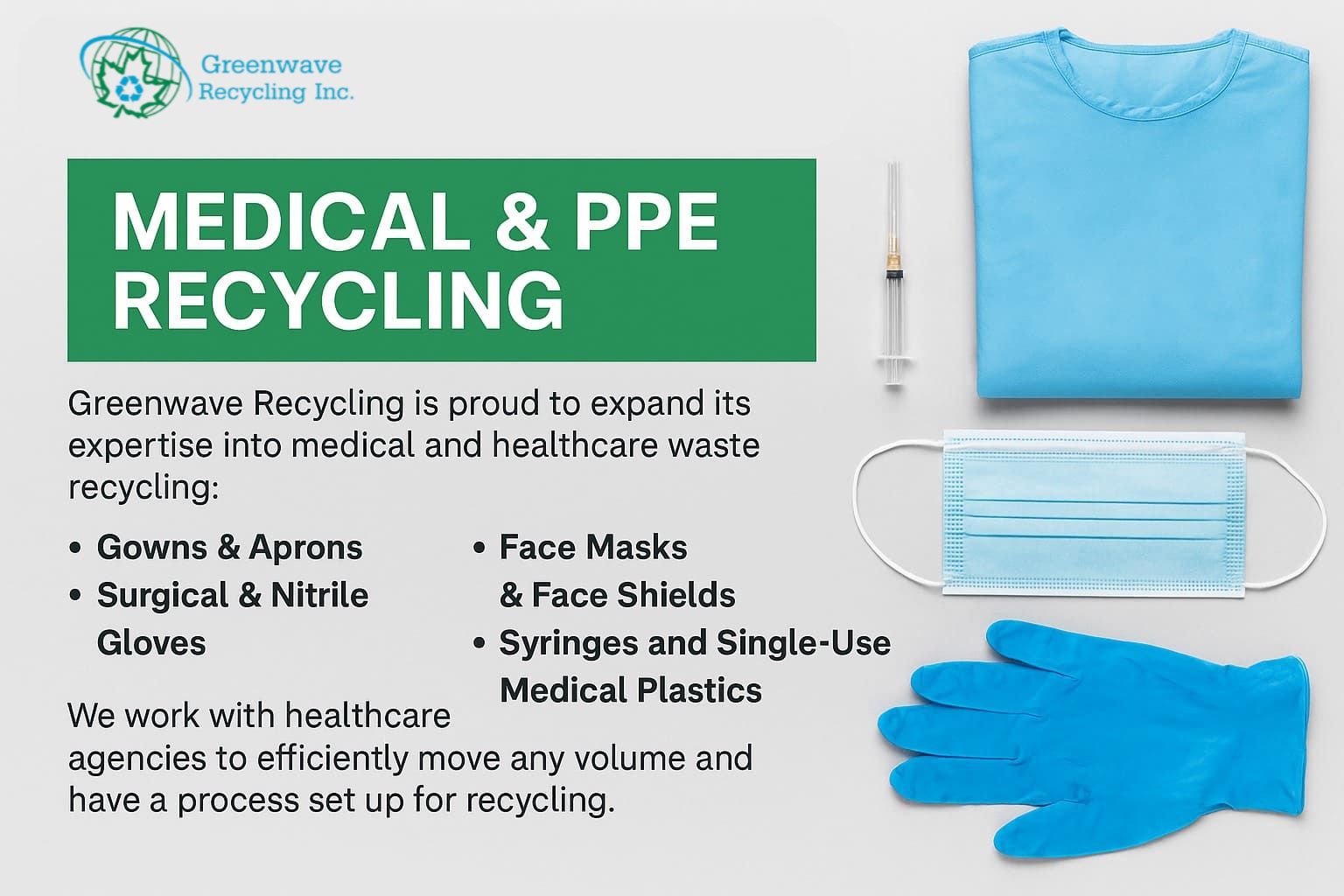

The COVID-19 pandemic reshaped public health systems across the globe. In Canada, the mass adoption…

In a world increasingly conscious of environmental impact, recycling paper stands out as one of the most effective and resource-efficient ways to manage waste. Whether from offices, warehouses, or manufacturing units, used paper and cardboard — when properly recycled — help conserve energy, reduce demand for raw materials, and minimise ecological footprint. For businesses looking to strengthen their sustainability credentials, adopting paper recycling offers immediate and long-term benefits.
Why Paper Recycling Matters?
Producing paper from virgin wood pulp is a resource-intensive process. It involves logging, transporting timber, chemical-heavy pulping, high energy consumption, and vast water usage. By contrast, recycling paper helps bypass many of those steps, thereby substantially reducing the environmental burden.
According to industry data, recycling paper can use 40–70% less energy than making paper from virgin materials. In some cases, recycled paper production also uses significantly less water, reduces air and water pollution, and curbs greenhouse-gas emissions.
Because paper fibres can be reused multiple times, recycling extends the useful life of the original wood fibres — reducing the need for fresh logging, preserving forests, and maintaining biodiversity
The Energy Savings
| Benefit of Recycling Paper | What It Means in Practice |
| 40–70% less energy used vs virgin pulp production | Lower electricity and fuel usage in manufacturing plants |
| Up to ~68% energy saved using recycled fibre vs virgin material | Significant reduction in overall industrial energy consumption |
| Substantial reduction in water usage and pollution in recycled paper production | Conserves water and reduces environmental pollutants |
| Forest resources preserved; fewer trees cut for virgin pulp | Supports forest conservation and sustainability |
These data points make a strong case: recycling paper is not just about waste reduction — it’s a strategic way to save energy, resources, and cut emissions.
Broader Resource Conservation Beyond Energy
Forest & Fibre Conservation
Every ton of recycled paper reduces the need to cut down multiple trees for raw pulp. This helps preserve forests, protect wildlife habitats, and maintains ecological balance.
Water and Pollution Reduction
Recycling paper requires less water and generates fewer emissions (air and water pollution) compared to virgin paper production. This significantly lowers the ecological footprint of paper manufacturing.
Greenhouse Gas Emissions & Climate Impact
By reducing energy consumption and avoiding deforestation, paper recycling helps cut CO₂ and other greenhouse gas emissions. Additionally, diverting paper waste from landfills reduces methane emissions from decomposition.
Lower Industrial Resource Demand
Using recycled fibre reduces demand for wood pulp, chemicals, fresh water, and energy — easing pressure on natural resources and lowering manufacturing overhead.
Ready to enhance your recycling system and conserve valuable resources? Contact us for expert guidance and support.
How Businesses Can Implement Efficient Paper Recycling
- Set up segregated paper collection: Separate cardboard, office paper, and mixed paper at source to avoid contamination.
- Work with certified paper recyclers: Choose recycling partners who follow sustainable processes and provide documentation.
- Bale and compact waste paper: This reduces transport costs and increases shipping efficiency.
- Monitor and report recycling metrics: Track tonnes diverted, energy saved, and emissions avoided — useful data for sustainability and ESG reports.
- Educate staff and stakeholders: Foster a culture of recycling and environmental responsibility across your operations.
Why Recycling Paper?
- Cost savings: Lower disposal fees, reduced raw material costs, and reduced energy bills.
- Sustainability credentials: Demonstrates environmental responsibility, supports ESG goals, and enhances brand reputation.
- Resource conservation: Preserves forests, saves water, and reduces pollutant output.
- Operational efficiency: Efficient recycling systems reduce waste volume and improve waste-management logistics.
Frequently Asked Questions
Recycling paper uses significantly less energy — in many cases up to 70% less than producing paper from virgin wood pulp.
Yes. Paper recycling conserves water and reduces the demand for fresh timber, helping protect forests and save water compared to virgin-pulp production.
Recycling paper cuts landfill waste, lowers emissions, and reduces waste-related pollution. It also helps prevent greenhouse-gas emissions from decomposing paper or incineration.
Yes — paper fibres can be recycled multiple times (often 5–7 cycles) before they degrade, making recycling a sustainable alternative to relying solely on virgin pulp.
By recycling paper, businesses can reduce waste disposal fees, lower raw material costs, and decrease energy and water use — all contributing to tangible cost savings.
Conclusion
Recycling paper is more than just a responsible choice — it’s a strategic investment. By saving energy, conserving water, protecting forests, and reducing emissions, paper recycling delivers tangible environmental and economic benefits. For industrial facilities, businesses, and municipalities, implementing a robust paper recycling program is a realistic and impactful step toward sustainability.
Related Posts