
High-density polyethylene (HDPE) pipes are widely used in construction, water distribution, irrigation, and industrial infrastructure…
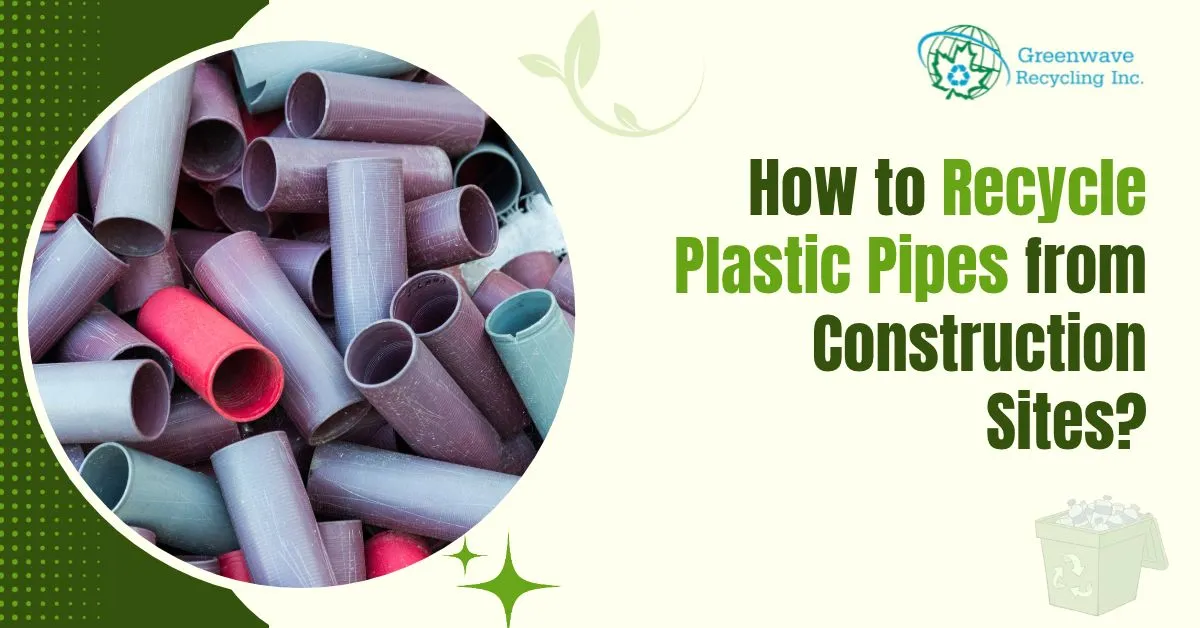
Construction projects often generate plastic pipe waste through installation offcuts, damaged sections, rejected products, and unused inventory. Instead of mixing these materials with general construction debris, businesses can explore Plastic Pipes Recycling to recover suitable materials, reduce disposal, and improve construction waste management.
1. Identify Plastic Pipe Waste
The first step is identifying the types of plastic pipes generated at the construction site. Common examples include:
- Pipe offcuts and installation cuttings.
- Damaged or rejected pipe sections.
- Surplus and unused pipe inventory.
- Post-industrial plastic pipe scrap.
Identifying materials such as HDPE is important because different plastics may require different recycling processes.
2. Separate Pipes from Other Construction Waste
Construction sites should keep plastic pipes separate from concrete, metal, wood, packaging, and other debris. Keeping compatible plastics together reduces contamination and makes material sorting easier.
Designated storage areas can help construction teams organise pipe scrap and prepare it for collection.
3. Inspect and Prepare Pipes
Before arranging collection, inspect pipes for dirt, chemical residues, metal fittings, and other contaminants. Depending on the recycling provider’s requirements, preparation may include:
- Removing attached metal fittings.
- Separating heavily contaminated materials.
- Cutting large pipes into manageable sections.
- Keeping compatible plastic materials together.
Proper preparation supports Plastic Pipes Recycling by helping recycling providers assess material condition and identify suitable recovery options.
4. Arrange Collection and Transportation
Contact an industrial plastic recycling provider to discuss collection arrangements. Share details such as pipe material, estimated quantity, dimensions, condition, and contamination levels.
For larger construction projects, planned collection schedules can help prevent scrap accumulation and maintain organised waste storage.
5. Understand the Plastic Pipe Recycling Process
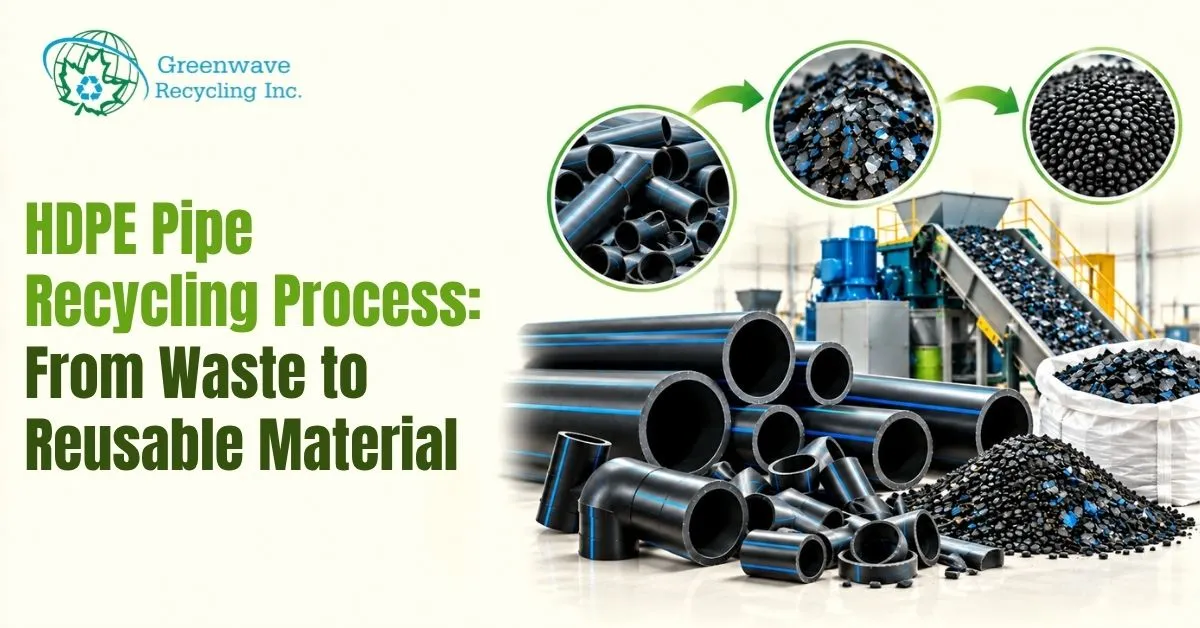
Once collected, suitable pipes generally undergo several processing stages depending on their condition and the facility’s capabilities.
| Processing Stage | Purpose |
| Sorting and inspection | Identify suitable materials |
| Cleaning and preparation | Remove contaminants where required |
| Cutting and shredding | Reduce pipes into manageable pieces |
| Material recovery | Prepare plastic for potential further use |
Through Plastic Pipes Recycling, eligible materials can be processed for recovery rather than being directed entirely towards disposal.
6. Choose the Right Recycling Partner
Businesses should select a recycling provider that understands industrial plastic waste and can accommodate their material and collection requirements.
Consider these factors:
- Acceptance of specific plastic pipe types.
- Bulk material handling capabilities.
- Collection and transportation arrangements.
- Preparation and contamination requirements.
- Material handling information and documentation.
Greenwave Recycling works with Canadian businesses on eligible HDPE pipe scrap, including manufacturing offcuts, rejected pipes, and surplus materials. Its services help organisations explore suitable collection, processing, and material recovery options.
Looking to manage construction-site plastic pipe waste responsibly? Contact Us to explore suitable Plastic Pipes Recycling solutions for your business.
Benefits of Recycling Plastic Pipes
A structured recycling programme can offer several advantages through Plastic Pipes Recycling, including:
- Reduced disposal: Diverts eligible plastic waste from landfill and other disposal routes.
- Material recovery: Creates opportunities to recover usable plastic resources.
- Better site organisation: Encourages proper waste segregation.
- Resource efficiency: Supports the productive use of recovered materials.
- Responsible waste management: Improves construction waste handling practices.
These benefits depend on material quality and available recycling facilities.
Frequently Asked Questions
Yes, suitable pipes may be recycled depending on their composition, condition, and contamination levels.
HDPE and other compatible plastic pipes may be accepted depending on the recycling facility’s capabilities.
Segregation reduces contamination and makes sorting and material recovery easier.
Cleaning requirements vary. Excessive dirt, chemical residues, and attached fittings may need attention before acceptance.
Suitable pipes may be sorted, cleaned, cut, shredded, and processed into recovered plastic for potential manufacturing applications.
Conclusion
Construction sites generate plastic pipe waste through installation activities, damaged materials, and surplus inventory. By identifying pipe types, separating compatible materials, and arranging suitable collection, businesses can improve waste management. A structured Plastic Pipes Recycling programme also creates opportunities to recover usable plastic resources and support responsible construction waste practices.
Related Posts