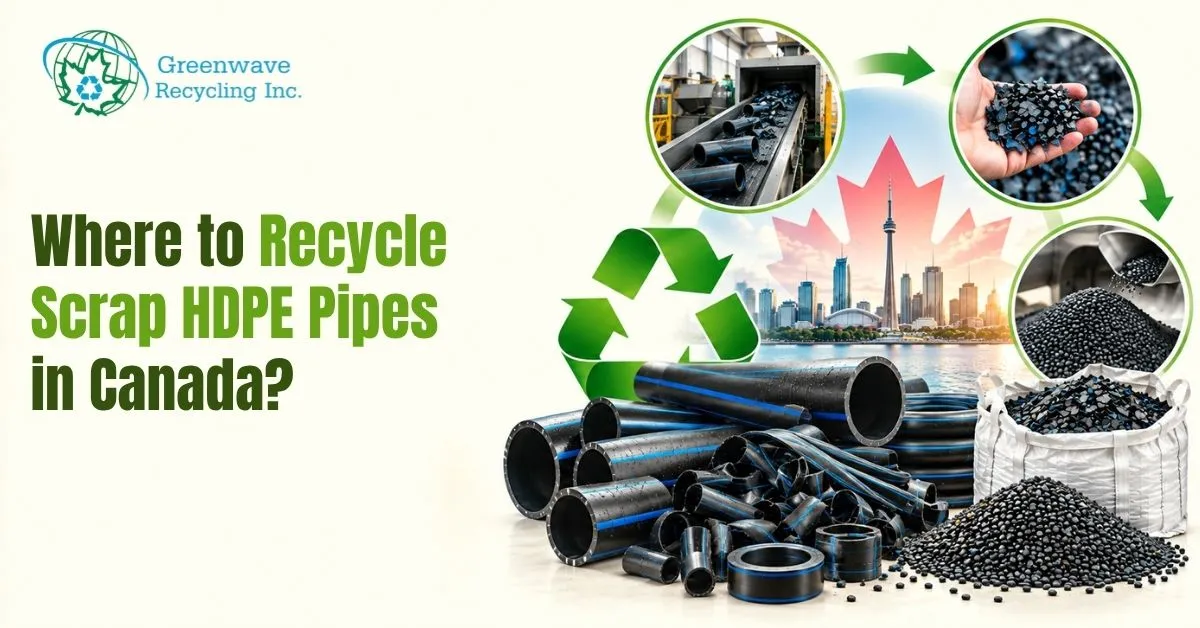
High-density polyethylene (HDPE) pipes are widely used in water distribution, drainage, irrigation, construction, and industrial…
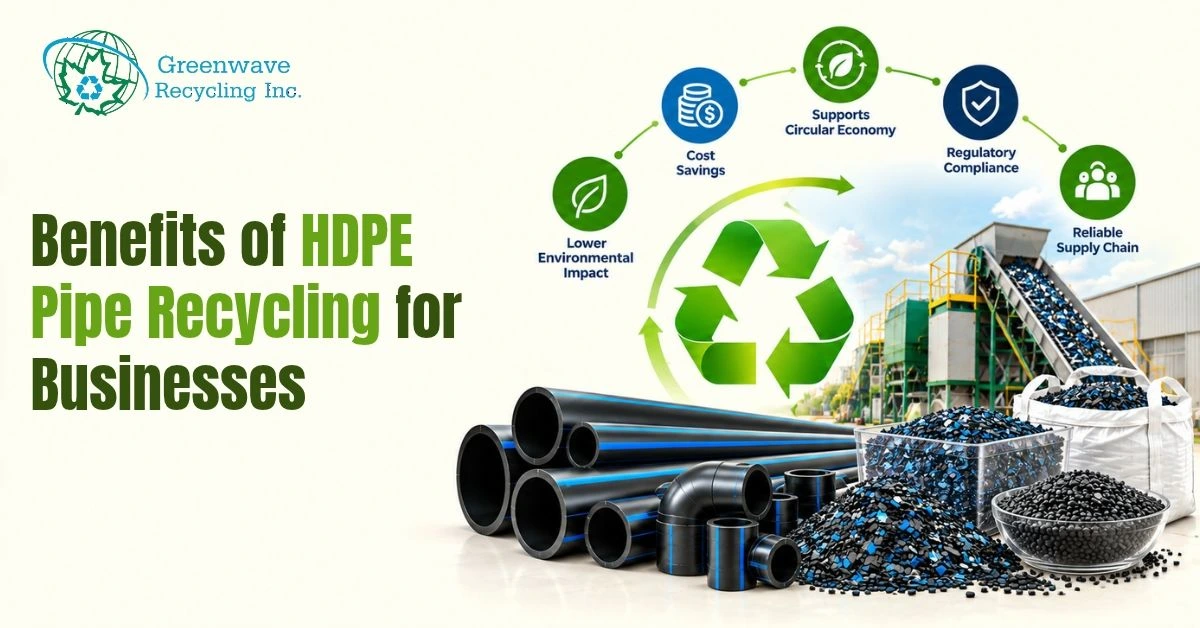
High-density polyethylene (HDPE) pipes are widely used in construction, water distribution, irrigation, and industrial infrastructure. Manufacturing offcuts, damaged pipes, rejected products, and surplus inventory can create substantial plastic waste. For businesses managing these materials, HDPE Pipe Recycling offers a practical way to improve waste handling, recover usable resources, and support more responsible industrial operations.
1. Reduces Plastic Waste Sent for Disposal
Scrap pipes and manufacturing offcuts can occupy valuable storage space and increase disposal requirements. HDPE Pipe Recycling helps businesses divert eligible plastic waste from landfill and other disposal routes while supporting more organised material handling.
By establishing a planned approach to collecting and segregating pipe scrap, organisations can manage waste more systematically. The actual reduction in disposal depends on the quantity of recyclable material and the availability of suitable recycling facilities.
2. Supports Valuable Plastic Material Recovery
HDPE pipe scrap may contain recoverable plastic that can be processed for potential use in suitable manufacturing applications. Through HDPE Pipe Recycling, businesses can direct eligible offcuts, rejected pipes, and surplus materials towards recovery rather than treating them solely as waste.
Recovered material quality depends on contamination, polymer composition, processing methods, and end-use specifications. Proper segregation helps recycling providers assess the material and determine appropriate processing options.
3. Improves Industrial Waste Management
Unorganised plastic scrap can complicate waste storage, handling, and transportation. A structured HDPE Pipe Recycling programme gives businesses a clearer process for identifying, separating, and managing HDPE pipe waste.
Companies can improve their waste management practices by maintaining separate storage for compatible plastics, documenting material quantities, and coordinating collection schedules. These steps can make waste handling more consistent across manufacturing facilities and construction sites.
4. Helps Businesses Manage Bulk Pipe Scrap
Manufacturers, infrastructure contractors, and industrial facilities may generate large volumes of pipe offcuts, defective products, or unused inventory. Managing these materials requires suitable collection arrangements, transport planning, and an understanding of processing requirements. HDPE Pipe Recycling can help businesses explore recovery options for eligible bulk pipe scrap.
A recycling partner experienced in industrial plastic waste can help businesses assess bulk quantities and coordinate appropriate handling. Before arranging collection, organisations should confirm accepted pipe dimensions, contamination limits, minimum quantities, and preparation requirements.
Looking to recover HDPE pipe scrap and improve waste management? Contact Us to discuss suitable recycling solutions for your business.
5. Supports More Responsible Resource Use
Recycling suitable HDPE pipes can help retain usable plastic resources within productive material cycles. This supports a circular approach in which recovered materials may become inputs for appropriate applications instead of being discarded.
Businesses can incorporate HDPE Pipe Recycling into broader sustainability and waste reduction initiatives. However, environmental outcomes depend on factors such as transportation, processing efficiency, material recovery rates, and the actual applications for recovered plastic.
6. Creates Opportunities for Better Waste Planning
A consistent recycling programme helps businesses understand the types and quantities of plastic waste they generate. This information can support purchasing decisions, inventory management, material segregation, and waste reduction planning.
By incorporating HDPE Pipe Recycling into their waste management strategy, businesses can track scrap volumes and review recovery arrangements to identify recurring waste sources. Any financial benefits will depend on collection costs, processing requirements, material value, and the alternatives available for disposal.
How Can Businesses Start Recycling HDPE Pipes?
Businesses can begin by identifying eligible scrap, separating HDPE pipes from incompatible materials, and estimating the quantities available for collection. Sharing pipe dimensions, material condition, contamination details, and photographs with a recycling provider can help establish whether the waste is suitable for recovery.
Greenwave Recycling works with businesses in Canada to explore HDPE Pipe Recycling options for eligible scrap pipes, manufacturing offcuts, rejected products, and surplus materials. Acceptance and processing arrangements depend on the material and operational requirements.
Frequently Asked Questions
It can help reduce eligible plastic waste sent for disposal, recover usable materials, improve waste organisation, and support more responsible resource management.
Manufacturers, construction companies, infrastructure contractors, and industrial facilities that generate suitable HDPE pipe scrap may benefit from organised recycling arrangements.
They may be recyclable depending on their composition, contamination, condition, and the receiving facility’s acceptance requirements.
It may help improve waste handling, but savings are not guaranteed. Costs depend on collection, transportation, processing, material quantities, and existing disposal arrangements.
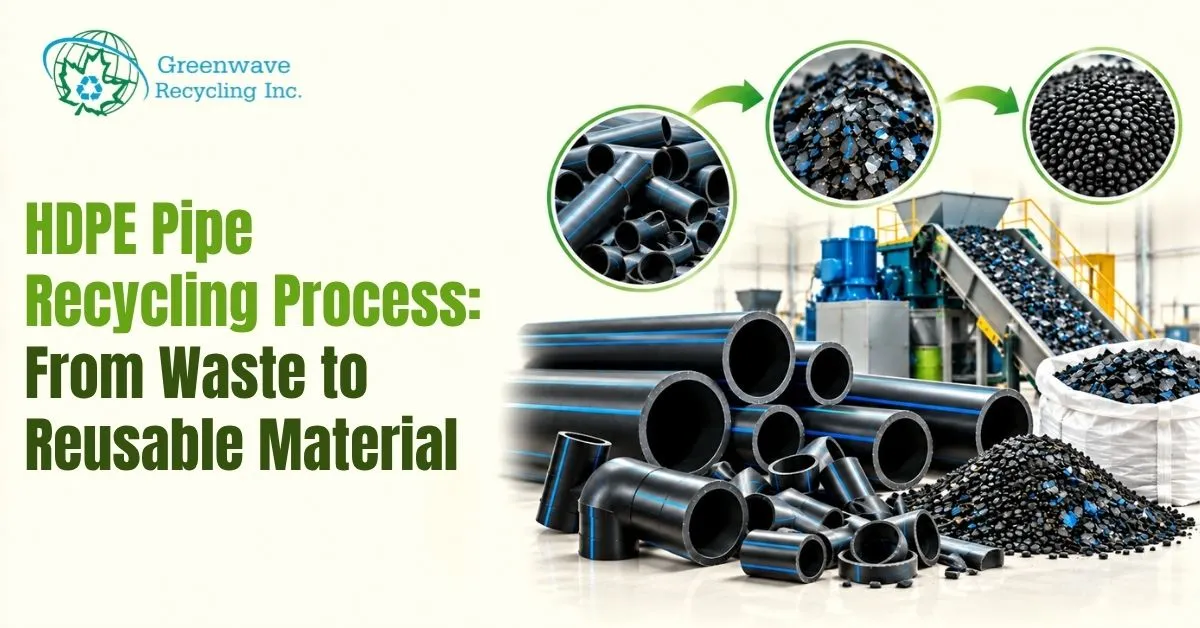
Suitable pipes may be sorted, cleaned, cut, shredded, and processed into recovered plastic material for potential use in applications that meet the required specifications.
Conclusion
HDPE pipe scrap can offer businesses an opportunity to improve waste management and recover potentially valuable plastic resources. By organising collection, segregating suitable materials, and choosing an appropriate recycling partner, organisations can make informed decisions about disposal and recovery. A well-planned HDPE Pipe Recycling programme can support resource efficiency and more responsible industrial operations.
Related Posts