Canadian businesses are increasingly looking for practical ways to reduce waste, recover valuable materials, and…
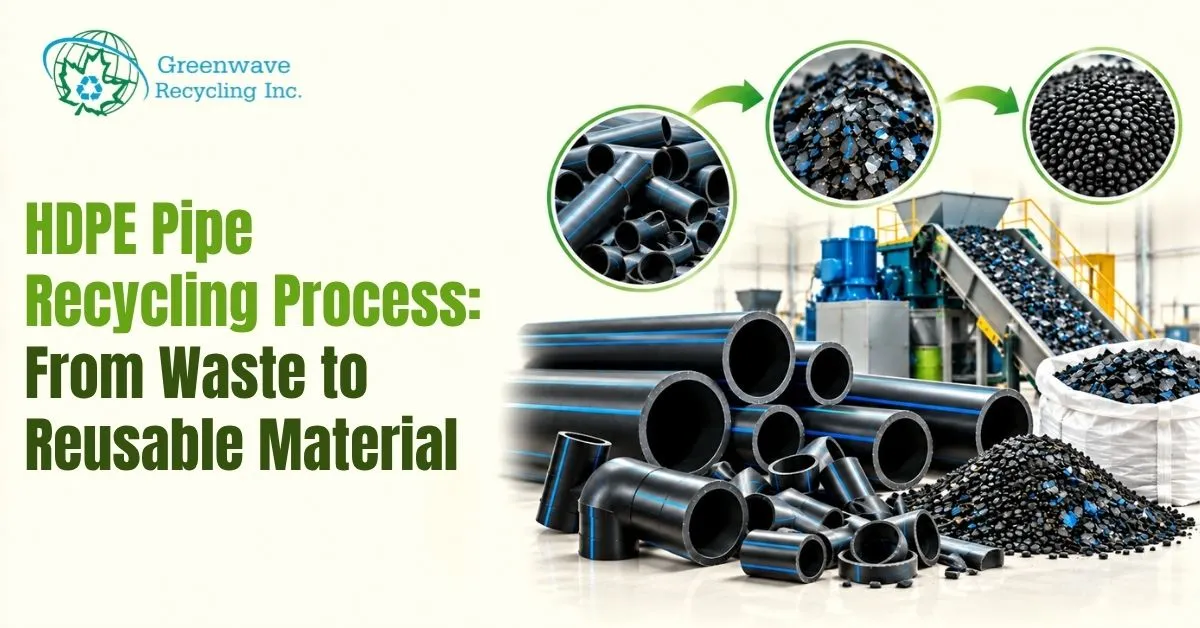
High-density polyethylene (HDPE) pipes are widely used in water distribution, drainage, irrigation, construction, and industrial applications. However, damaged pipes, manufacturing offcuts, rejected products, and surplus inventory can generate considerable plastic waste. HDPE Pipe Recycling helps businesses recover suitable materials through organised collection, sorting, processing, and material recovery, reducing disposal and supporting more responsible resource management.
Understanding HDPE Pipe Waste
HDPE pipe waste can originate from manufacturing facilities, construction projects, infrastructure upgrades, and industrial operations. Common materials include scrap pipes, offcuts, cuttings, defective products, and unused pipe inventory.
Identifying these materials at the source helps businesses determine their condition, composition, and recycling suitability. Proper segregation supports HDPE Pipe Waste Recycling by reducing contamination and improving material recovery.
Step-by-Step HDPE Pipe Recycling Process
The recycling process involves several stages, depending on the condition of the pipes and the capabilities of the processing facility. Understanding the HDPE Pipe Recycling Process helps businesses follow how suitable waste materials are prepared for recovery.
1. Collection and Transportation
The process begins with collecting eligible HDPE pipe waste from manufacturing plants, construction sites, and industrial facilities. Collection arrangements depend on material quantities, location, storage conditions, and transportation requirements.
2. Sorting and Inspection
Collected pipes are inspected and separated according to their material composition, condition, and contamination levels. Removing unsuitable materials helps prepare eligible scrap for further processing.
3. Cleaning and Preparation
Depending on the material’s condition, pipes may require cleaning to remove dirt, residue, or other contaminants. Large pipe sections can also require cutting into manageable sizes before further processing.
4. Shredding and Size Reduction
Suitable HDPE pipes may be shredded or mechanically reduced into smaller pieces. This makes the material easier to handle and prepares it for subsequent processing, depending on the recycling system being used.
5. Processing and Material Recovery
During HDPE Pipe Recycling, processed pipe pieces may undergo further preparation, separation, and reprocessing into recovered plastic material. The exact method depends on the feedstock quality, contamination, equipment, and intended application.
Looking to recover scrap HDPE pipes and reduce plastic waste? Contact Us to explore responsible HDPE Pipe Recycling solutions for your business.
What Happens to Recycled HDPE Material?
After processing, recovered HDPE can potentially become a secondary raw material for manufacturing. Its suitability depends on polymer quality, contamination levels, processing conditions, and the specifications of the final product.
Effective HDPE Pipe Recycling can help retain usable plastic resources within productive material cycles. Recovered HDPE may be considered for suitable plastic products and industrial applications, subject to the required material performance standards.
Benefits of Recycling HDPE Pipes
Businesses can gain several waste management and resource recovery benefits by directing suitable pipe scrap toward recycling, helping recover Recycled HDPE Material for potential manufacturing applications.
- Reduced disposal: Diverts eligible HDPE waste from landfill or other disposal routes.
- Material recovery: Helps recover usable plastic resources from scrap and offcuts.
- Improved waste management: Encourages organised collection and segregation.
- Resource efficiency: Supports the productive use of recovered plastic materials.
- Circular economy support: Helps keep suitable materials in use rather than treating them solely as waste.
These benefits depend on the condition of the pipes, available recycling infrastructure, and the quality of recovered material.
Choosing an HDPE Pipe Recycling Partner
Businesses should look for a recycling partner that understands industrial plastic waste, bulk material handling, sorting requirements, and appropriate processing pathways. Collection capabilities, contamination management, and transparent material handling practices are also important considerations.
Greenwave Recycling supports businesses in Canada with HDPE Pipe Recycling solutions for eligible scrap pipes, manufacturing offcuts, rejected products, and surplus materials. Its services help organisations explore suitable options for collection, processing, and responsible material recovery.
Frequently Asked Questions
HDPE Pipe Recycling involves collecting, sorting, preparing, and processing suitable high-density polyethylene pipe waste for material recovery and potential reuse.
Eligible materials may include manufacturing offcuts, scrap pipes, rejected products, cuttings, and surplus pipes, depending on their composition and condition.
The process may include collection, inspection, cleaning, cutting, shredding, and further processing, depending on the recycling facility and material requirements.
Yes, recovered HDPE may be used in suitable manufacturing applications, provided it meets the quality and performance requirements of the intended product.
Recycling suitable pipes can reduce disposal volumes, recover valuable materials, improve waste management, and support more responsible resource use.
Conclusion
HDPE pipe waste can represent a valuable recovery opportunity when materials are properly identified, collected, and processed. Through effective segregation and appropriate HDPE Pipe Recycling methods, businesses can reduce disposal, recover usable plastics, and support more sustainable industrial operations. Working with a suitable recycling partner helps organisations manage eligible pipe scrap more responsibly.
Related Posts