
Healthcare facilities generate large volumes of personal protective equipment (PPE), including gloves, masks, gowns, aprons,…
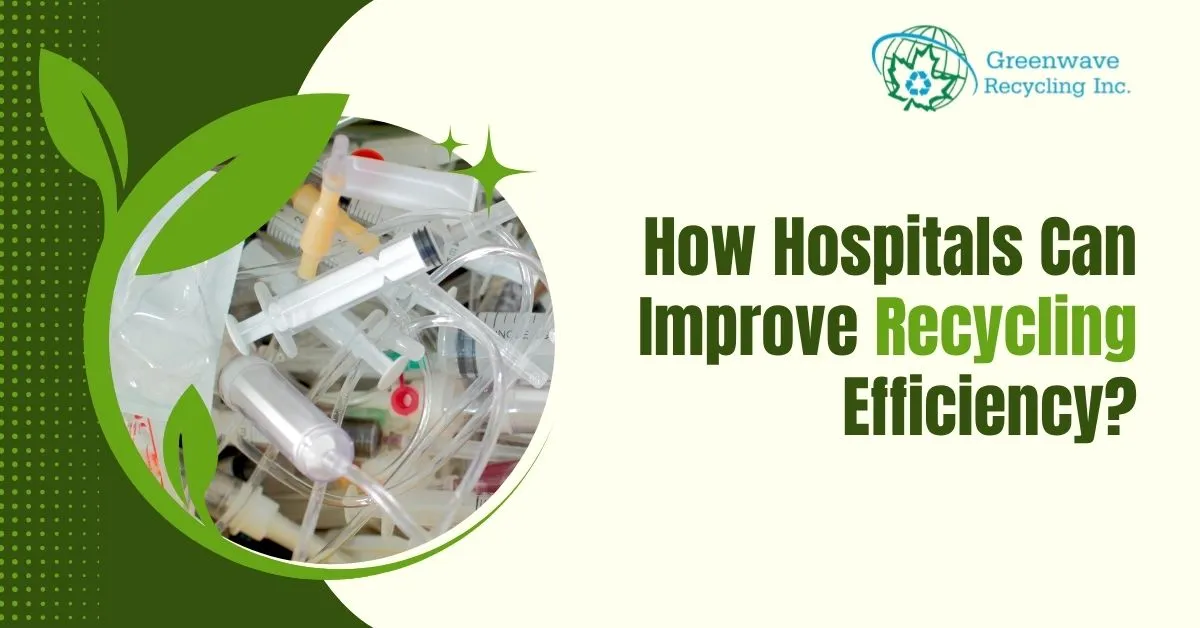
Hospitals generate significant volumes of waste every day, ranging from paper and packaging materials to disposable personal protective equipment (PPE) and medical plastics. As healthcare facilities continue to prioritize sustainability and environmental responsibility, improving recycling efficiency has become an important operational objective. Effective Medical & PPE Recycling programs can help hospitals reduce landfill waste, recover valuable materials, and support long-term sustainability goals while maintaining compliance with healthcare regulations.
By implementing structured recycling strategies, healthcare facilities can improve resource recovery, strengthen waste management practices, and contribute to a more sustainable healthcare system across Canada.
Why Recycling Efficiency Matters in Hospitals?
Healthcare facilities operate in fast-paced environments that generate a wide variety of waste streams. Without proper recycling systems, large amounts of recyclable materials may be disposed of unnecessarily, increasing environmental impact and disposal costs.
Improving recycling efficiency helps hospitals:
- Reduce landfill waste
- Support sustainability initiatives
- Improve resource recovery
- Enhance environmental performance
- Strengthen operational efficiency
- Support compliance requirements
Effective Medical & PPE Recycling programs play a critical role in helping hospitals achieve these objectives while promoting responsible waste management practices.
Understanding Hospital Waste Streams
Before improving recycling efficiency, hospitals must understand the types of waste generated throughout their operations. Different waste streams require different handling, segregation, and recycling approaches. Establishing effective Medical & PPE Recycling programs begins with identifying which materials can be recovered and diverted from landfill through structured recycling processes.
Common hospital waste categories include:
- Disposable PPE products
- Medical plastics
- Paper and cardboard
- Packaging materials
- Administrative office waste
- General recyclable materials
- Expired PPE inventory
Identifying recyclable materials within these waste streams allows hospitals to maximize recovery opportunities and reduce unnecessary disposal.
| Waste Stream | Recycling Opportunity |
| Masks and Face Shields | Material recovery through Medical & PPE Recycling programs |
| Gloves and Gowns | Recycling and waste diversion opportunities |
| Paper and Cardboard | Fibre recovery and recycling |
| Packaging Materials | Resource recovery and reuse |
| Expired PPE Products | Sustainable recycling solutions |
Implement Effective Hospital Waste Management Methods
One of the most effective ways to improve recycling efficiency is through structured hospital waste management methods. Hospitals should establish clear waste management procedures that define how recyclable materials are identified, collected, and processed.
Key strategies include:
- Developing standardized recycling protocols
- Training staff on waste segregation
- Establishing clear collection procedures
- Monitoring recycling performance
- Reviewing waste management practices regularly
Consistent waste management methods help reduce contamination while improving the quality of recyclable materials collected throughout the facility. By supporting Medical & PPE Recycling initiatives through effective procedures and staff engagement, hospitals can increase recovery rates, reduce landfill waste, and improve overall sustainability performance.
Optimize Hospital Waste Management Bins
Properly designed hospital waste management bins can significantly improve recycling outcomes. Staff members are more likely to recycle correctly when waste collection systems are simple, accessible, and clearly labelled.
Best practices include:
- Using clearly marked recycling bins
- Placing bins in high-traffic areas
- Separating recyclable materials by category
- Providing visual guidance for staff
- Conducting regular bin audits
Effective bin placement and labelling reduce confusion and encourage greater participation in recycling programs. By supporting accurate waste segregation, Medical & PPE Recycling initiatives can achieve higher recovery rates, lower contamination levels, and improved sustainability outcomes across healthcare facilities.
Looking to improve Medical & PPE Recycling at your healthcare facility? Contact Us to learn how Greenwave Recycling can support your sustainability and waste management goals.
Strengthen Medical & PPE Recycling Programs
Healthcare facilities generate substantial quantities of disposable PPE and medical plastic products. Establishing dedicated Medical & PPE Recycling programs helps ensure these materials are managed responsibly.
Common recyclable materials include:
- Face masks
- Face shields
- Surgical gloves
- Nitrile gloves
- Gowns
- Aprons
- Certain single-use medical plastics
By partnering with specialized recycling providers, hospitals can recover valuable materials while reducing the environmental impact of healthcare operations.
Improve Hospital Waste Management and Disposal Practices
Effective hospital waste management and disposal requires a balance between safety, compliance, and sustainability. Hospitals should regularly assess disposal practices to identify opportunities for recycling, waste reduction, and improved Medical & PPE Recycling outcomes.
Areas for improvement may include:
- Increasing material recovery rates
- Reducing contamination in recycling streams
- Expanding recycling programs
- Improving waste tracking systems
- Enhancing staff awareness
By integrating recycling into broader waste management strategies, healthcare facilities can improve both environmental and operational performance.
Increase Staff Education and Engagement
Staff participation is one of the most important factors influencing recycling success. Even well-designed recycling systems can be ineffective if employees are unsure how to dispose of materials correctly.
Hospitals can improve engagement by:
- Providing recycling training sessions
- Offering educational resources
- Displaying recycling guidelines
- Sharing sustainability goals
- Communicating recycling achievements
When staff understand the value of Medical & PPE Recycling, they are more likely to support waste reduction initiatives throughout the facility.
Use Data to Improve Efficiency in Recycling
Measuring performance is essential for improving efficiency in recycling. Hospitals that track recycling metrics can identify opportunities for improvement and monitor progress over time, helping strengthen Medical & PPE Recycling efforts.
Useful performance indicators include:
- Recycling rates
- Waste diversion rates
- Material recovery volumes
- Contamination levels
- Disposal cost reductions
Data-driven decision-making helps healthcare facilities optimize recycling programs and achieve measurable sustainability outcomes.
The Importance of Hospital Waste Management for Sustainability
The importance of hospital waste management extends beyond regulatory compliance. Effective waste management contributes directly to environmental stewardship, resource conservation, and healthcare sustainability, while supporting responsible Medical & PPE Recycling practices.
Benefits include:
- Reduced environmental impact
- Improved landfill diversion
- Enhanced resource recovery
- Better sustainability performance
- Stronger community responsibility
Hospitals that prioritize sustainable waste management practices demonstrate leadership while supporting broader environmental objectives.
How Greenwave Recycling Supports Hospital Recycling Programs?
Greenwave Recycling provides specialized Medical & PPE Recycling solutions designed to help hospitals and healthcare facilities manage recyclable materials safely and responsibly.
Through collection, transportation, sorting, processing, and compliance-focused recycling services, Greenwave helps healthcare organizations:
- Recycle expired PPE products
- Recover medical plastics
- Improve waste diversion
- Support sustainability goals
- Maintain compliance and traceability
With extensive logistics capabilities and experience serving healthcare organizations, Greenwave Recycling helps hospitals improve recycling efficiency while contributing to a more sustainable future.
Frequently Asked Questions
Medical & PPE Recycling involves collecting, processing, and recovering materials from expired or surplus PPE products and certain medical plastics to reduce landfill waste.
Improved recycling efficiency helps hospitals reduce waste, lower environmental impact, increase resource recovery, and support sustainability objectives.
Clearly labelled and strategically placed hospital waste management bins help staff separate materials correctly, reducing contamination and improving recycling rates.
Materials may include masks, gloves, gowns, face shields, and certain medical plastics depending on facility requirements and recycling capabilities.
Structured waste management methods improve material recovery, reduce landfill dependency, and support environmentally responsible healthcare operations.
Conclusion
As healthcare facilities continue to focus on sustainability, improving recycling performance has become an essential part of responsible operations. Through effective waste segregation, optimized collection systems, staff engagement, and dedicated Medical & PPE Recycling programs, hospitals can reduce waste and improve resource recovery. By strengthening hospital waste management practices and partnering with experienced recycling providers, healthcare organizations can support environmental goals while creating safer and more sustainable waste management systems.
Related Posts