
Industries across Canada generate large volumes of worn-out conveyor belts every year. These belts, once…
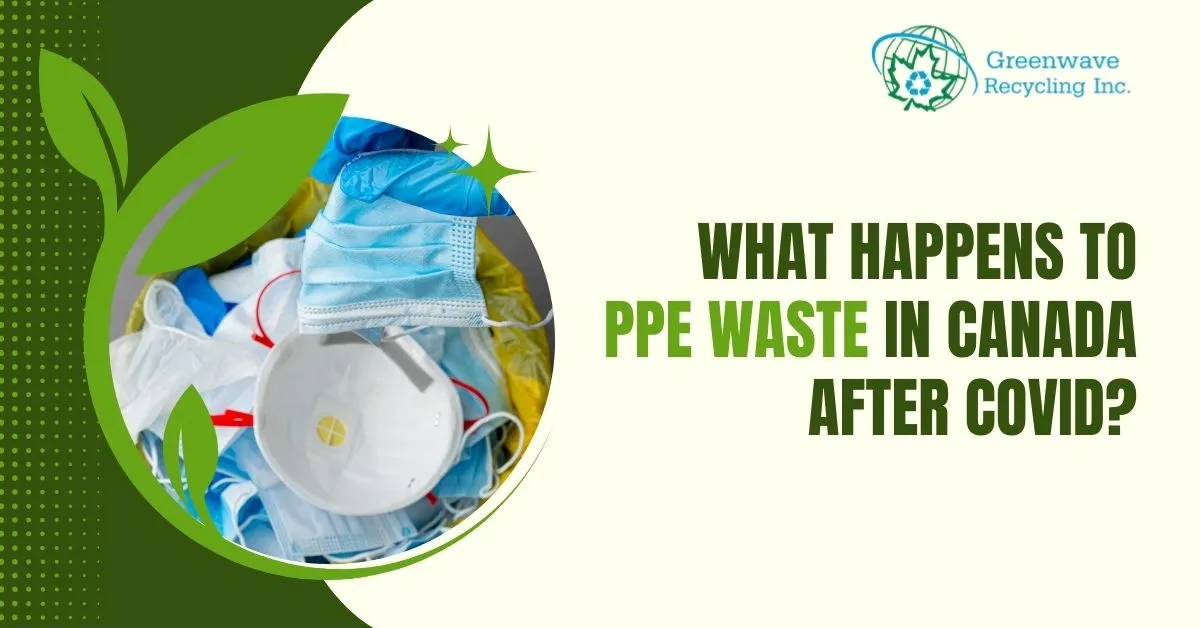
The COVID-19 pandemic changed how the world thinks about safety, hygiene, and public health. In Canada, the massive use of Personal Protective Equipment (PPE) such as masks, gloves, gowns, and face shields became a daily necessity. While PPE played a critical role in protecting lives, it also created an unprecedented surge in plastic and medical waste.
Now that pandemic restrictions have eased, a pressing question remains: what happens to PPE waste in Canada after COVID? This blog explores how PPE waste is handled, the environmental consequences, current recycling limitations, and the future of sustainable PPE waste management in Canada.
Understanding PPE Waste Generated During COVID-19
PPE waste refers to single-use protective items designed to prevent the spread of infection. During the pandemic, billions of PPE items were consumed across healthcare facilities, businesses, and households.
Common Types of PPE Waste
- Disposable face masks (surgical & N95)
- Latex and nitrile gloves
- Medical gowns and coveralls
- Face shields and protective eyewear
- Shoe covers and hair caps
Most of these PPE Kits products are made from polypropylene and synthetic polymers, which are durable but not biodegradable. This material composition significantly complicates disposal and recycling efforts.
How PPE Waste Is Classified in Canada?
In Canada, PPE waste falls under different categories depending on where and how it is used.
1. Medical and Biohazard Waste
PPE used in hospitals, testing centres, and long-term care homes is classified as regulated biomedical waste. Due to contamination risks of PPE, this waste is subject to strict handling and disposal protocols governed by provincial regulations and overseen by organizations such as Health Canada.
2. Non-Medical PPE Waste
PPE used by the public—such as masks worn in public spaces—is treated as regular municipal solid waste. This type of PPE typically enters household garbage systems.
Where Does PPE Waste Go After Disposal?
Despite growing sustainability awareness, most PPE waste in Canada is not recycled. Instead, it follows one of these disposal routes:
Landfilling
The majority of non-medical PPE waste ends up in landfills. Because PPE is lightweight and plastic-based, it contributes to long-term environmental pollution and microplastic generation.
Incineration
Medical PPE waste is commonly incinerated at high temperatures to destroy pathogens. While effective for infection control, incineration:
- Releases greenhouse gases
- Produces toxic ash
- Requires high energy input
Waste-to-Energy Facilities
Some provinces divert PPE waste to waste-to-energy (WTE) plants, where controlled combustion generates electricity or heat. This option reduces landfill volume but still results in emissions.
Why PPE Waste Recycling Is So Limited?
Recycling PPE waste in Canada faces several technical and regulatory challenges:
- Contamination risk: Used PPE may carry pathogens
- Material complexity: PPE often contains multiple bonded materials
- Lack of infrastructure: Few facilities can process contaminated plastics
- High processing costs: Recycling PPE is more expensive than disposal
Because of these barriers, most municipal recycling programs explicitly exclude masks and gloves.
PPE Waste Disposal Methods in Canada After COVID
| PPE Type | Primary Source | Disposal Method | Environmental Impact |
| Surgical masks & N95 respirators | Hospitals, clinics, households | Incineration (medical) / Landfill (household) | High plastic pollution, microplastics, emissions |
| Disposable gloves (latex/nitrile) | Healthcare, retail, food services | Incineration or landfill | Slow decomposition, wildlife ingestion risk |
| Medical gowns & coveralls | Hospitals, testing centres | High-temperature incineration | Greenhouse gas emissions, toxic ash |
| Face shields & goggles | Healthcare & industrial use | Limited recycling / landfill | Mixed materials hinder recycling |
| Public-use masks | Households, workplaces | Municipal solid waste (landfill) | Long-term plastic accumulation |
Environmental Impact of PPE Waste in Canada
The environmental consequences of PPE waste are becoming increasingly visible.
Key Environmental Concerns for waste PPE Gear
- Plastic pollution in land and waterways
- Microplastic breakdown entering soil and oceans
- Wildlife entanglement and ingestion
- Long decomposition timelines (up to 450 years)
Canada’s strong environmental policies are now being tested by the sheer scale of post-COVID PPE waste.
Want to reduce your PPE waste footprint? Contact us today to start responsible PPE recycling and support Canada’s sustainability goals.
Government Regulations and Provincial Oversight
Canada does not have a single national PPE waste law. Instead, waste management is regulated at the provincial and municipal levels, with guidance from federal bodies.
Key regulatory characteristics include:
- Strict controls for biomedical waste
- Limited PPE-specific recycling mandates
- Emphasis on safe disposal over material recovery
According to Canada, provinces like Ontario and British Columbia are actively reviewing post-pandemic waste policies to address PPE-related pollution.
Emerging PPE Recycling and Innovation Initiatives
Although widespread PPE recycling is still limited, innovation is accelerating.
- Pilot programs converting masks into plastic pellets
- Mechanical recycling of polypropylene PPE
- Chemical recycling research for contaminated plastics
- Development of biodegradable and reusable PPE
Several Canadian startups and universities are exploring closed-loop PPE recycling models, particularly for healthcare facilities.
How Businesses and Healthcare Facilities Can Reduce PPE Waste?
Organizations can take proactive steps to reduce environmental impact without compromising safety.
- Shift to reusable PPE where permitted
- Partner with specialized medical waste processors
- Implement PPE waste segregation programs
- Educate staff on proper disposal methods
- Conduct waste audits to reduce overuse
Sustainable procurement policies are becoming a key differentiator for responsible Canadian organizations.
The Future of PPE Waste Management in Canada
Post-COVID, PPE waste management is evolving from an emergency response to a long-term sustainability challenge.
- Stronger extended producer responsibility (EPR) policies
- Increased investment in recycling infrastructure
- Greater use of eco-designed PPE
- Public awareness campaigns on PPE disposal
- Integration of circular economy principles
The pandemic exposed systemic gaps—but it also created momentum for innovation and reform.
Frequently Asked Questions
Most PPE cannot be recycled through regular municipal programs due to contamination and material complexity. Specialized programs are limited but growing.
Only PPE used in healthcare or high-risk environments is classified as biomedical waste. Household masks are treated as general waste.
Plastic-based PPE can take hundreds of years to decompose, breaking down into microplastics over time.
Yes, provinces and federal agencies are reviewing waste policies and supporting research into sustainable PPE solutions.
Reusable and biodegradable PPE options offer the best long-term environmental benefits when used appropriately.
Conclusion
The question of what happens to PPE waste in Canada after COVID reveals a complex intersection of public health, environmental responsibility, and infrastructure readiness. While PPE disposal systems successfully managed infection risks, they also created a legacy of plastic pollution that Canada must now confront.
The future lies in innovation, policy reform, and responsible consumption. By investing in recycling technologies, encouraging sustainable PPE design, and improving waste management practices, Canada can transform a pandemic challenge into an opportunity for environmental leadership.
Related Posts