
The growing volume of expired medical gloves has become a significant environmental and operational concern…

The healthcare sector generates a massive amount of waste every year, and a large portion of it comes from Personal Protective Equipment (PPE) such as masks, gloves, gowns, and face shields. While these items are vital for protecting healthcare workers and patients, the environmental cost of discarded PPE is alarming. Hospitals worldwide are now turning to PPE recycling programs to reduce waste, cut costs, and promote sustainability.
The Problem with PPE Waste in Healthcare
Hospitals are among the largest waste generators, producing thousands of tons of PPE waste annually. During the COVID-19 pandemic, this figure surged dramatically, creating challenges for both waste management and the environment.
- Landfills are filling up with non-biodegradable PPE.
- Incineration of medical waste releases harmful greenhouse gases.
- Disposal costs for hospitals are steadily increasing.
Without sustainable solutions, PPE waste continues to pose financial and environmental burdens.
What are PPE Recycling Programs?
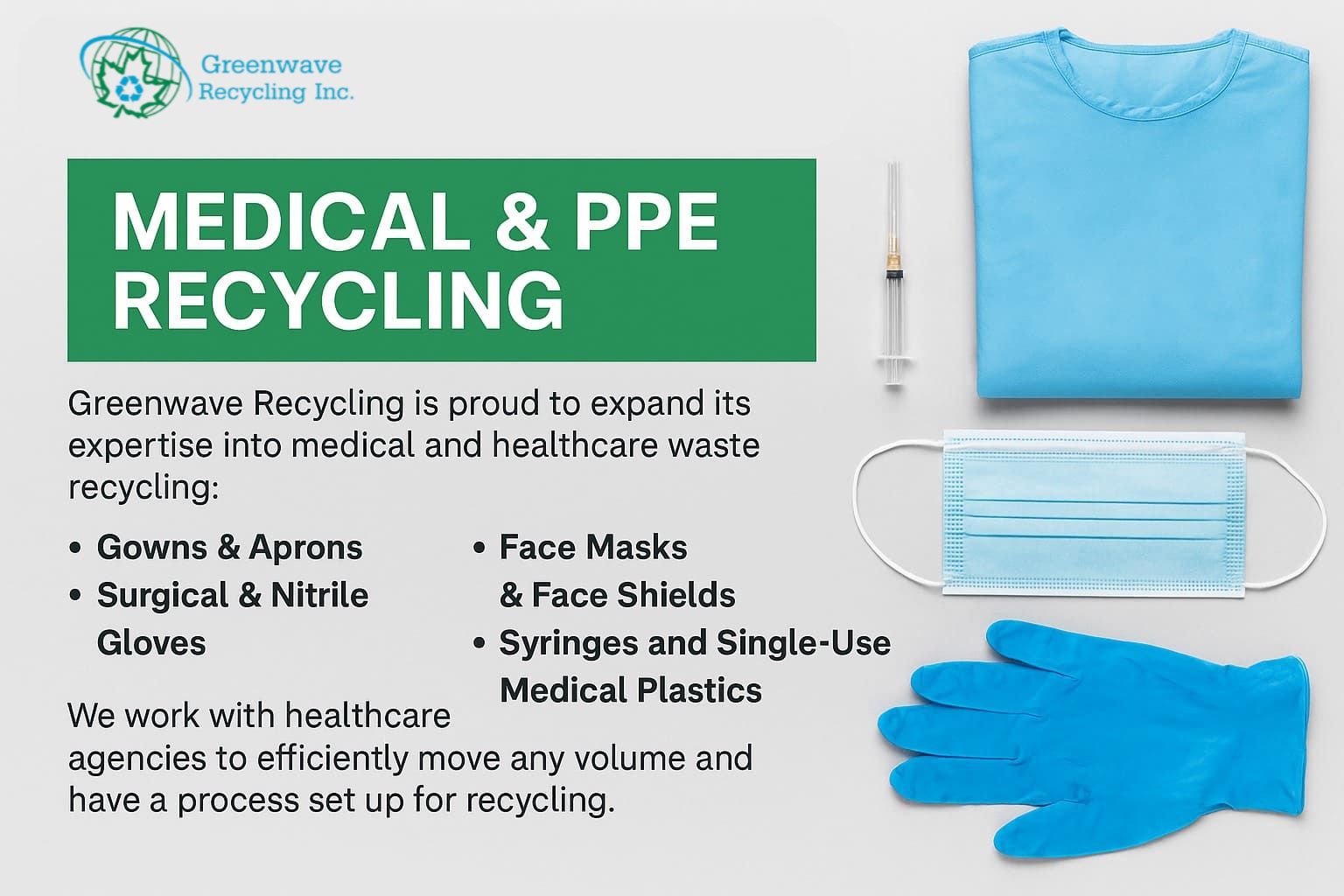
PPE recycling programs are structured systems that collect, sanitize, and repurpose used protective equipment. Instead of being dumped in landfills, these materials are processed and transformed into new products such as construction supplies, plastic pellets, or energy sources.
Key Benefits of PPE Recycling for Hospitals
Environmental Benefits
Recycling PPE reduces the amount of plastic waste entering landfills and oceans. Hospitals that recycle contribute directly to lowering carbon emissions and aligning with global net-zero goals.
Financial Benefits
Traditional waste disposal is costly, especially for hazardous medical waste. PPE recycling helps hospitals:
- Cut disposal costs.
- Save on landfill fees.
- Potentially generate revenue through recycled material partnerships.
Operational Benefits
Hospitals implementing recycling programs enjoy smoother waste management systems, ensuring compliance with government regulations and reducing risk of penalties.
Social & Reputational Benefits
Sustainability initiatives like PPE recycling build trust with patients, employees, and communities. Hospitals gain recognition as leaders in eco-friendly healthcare, strengthening their reputation.
Challenges and Considerations
Implementing PPE recycling programs does come with challenges, including:
- Meeting strict sterilization and safety standards.
- Managing collection and logistics.
- Training staff on proper segregation practices.
How Hospitals Can Implement PPE Recycling Programs
- Partner with certified recyclers like Greenwave Recycling Inc.
- Educate staff on separating recyclable PPE from general waste.
- Integrate recycling policies into hospital operations.
- Monitor and track progress to measure environmental and financial impact.
Ready to make your hospital greener? Contact us to turn PPE waste into sustainable solutions today. Start Recycling PPE Today
The Future of PPE Recycling in Healthcare
As sustainability becomes a global priority, PPE recycling will play a key role in healthcare waste management. Emerging technologies will make recycling more efficient, and hospitals that act early will set the standard for eco-conscious healthcare practices.
Frequently Asked Questions
PPE recycling in hospitals involves collecting, sanitizing, and repurposing personal protective equipment such as masks, gloves, and gowns to reduce waste and support sustainability.
Hospitals should recycle PPE to cut waste disposal costs, reduce their environmental footprint, comply with regulations, and strengthen their reputation as sustainability leaders.
Yes, PPE recycling is safe when handled by certified recycling companies that follow strict sterilization and waste management protocols.
By reducing landfill and incineration costs, PPE recycling lowers waste management expenses and can generate additional value from recycled materials.
Hospitals can start by partnering with specialized recycling firms, training staff on proper disposal methods, and integrating recycling policies into daily operations.
Conclusion
PPE is essential for healthcare, but its waste doesn’t have to harm the planet. By adopting PPE recycling programs, hospitals can reduce costs, improve sustainability, and protect the environment.
Related Posts